


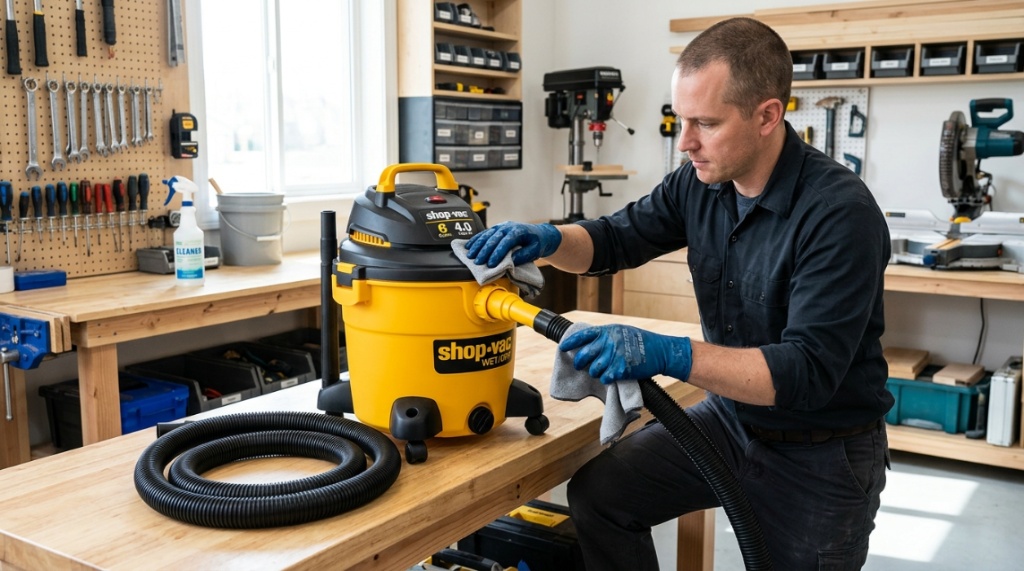
You just finished tackling a flooded basement, and your wet/dry vacuum sucked up gallons of murky water without complaint. But now, sitting in the corner, it smells like a swamp, and you’re wondering if you’ll ever get that smell out. If you ignore routine wet dry vacuum maintenance, that smell is only the beginning. Clogged filters, corroded tanks, and burnt-out motors are the real costs of neglect. The good news is that keeping your shop vac running like new for years doesn’t require a mechanic’s toolkit—just a few smart habits you can start today.
Why Does Regular Wet Dry Vacuum Maintenance Matter?
The Hidden Cost of Neglecting Your Shop Vac
Every time you skip emptying the tank or cleaning the filter, you are shortening the lifespan of your machine. Damp debris left inside promotes mold growth, which attacks rubber seals and plastic components. Fine dust that bypasses a clogged filter grinds down the motor bearings, leading to premature failure. A well-maintained vacuum lasts five to ten years; a neglected one often dies in two.
How Maintenance Saves You Money and Time
Replacing a motor or a tank costs nearly as much as buying a new unit. Spending ten minutes after each major use prevents expensive repairs. Clean filters mean stronger suction, so you finish jobs faster. When you keep up with simple care, you avoid the frustration of a machine that dies halfway through a messy cleanup.
What Should You Do Immediately After Each Use?
Empty the Tank Completely
Leaving liquid or debris sitting in the tank is the fastest way to ruin your vacuum. After wet pickup, pour out all water and wipe the interior dry with a clean cloth. After dry pickup, tap the tank over a trash can to remove loose dust. Never assume the tank is empty just because you can’t see anything—check the bottom ribs where debris hides.
Rinse and Dry the Tank Interior
For wet use, rinse the tank with a hose and a mild soap solution. Avoid harsh chemicals that can degrade the plastic. Dry the tank thoroughly with a microfiber towel, then leave the lid off for an hour to air out. This simple step eliminates the musty odors that develop from trapped moisture.
Inspect the Float Valve Mechanism
The float valve is what stops suction when the tank fills with liquid. If it gets stuck because of debris or grime, your vacuum will either stop working prematurely or overflow. Pop off the cage covering the float, rinse it under warm water, and ensure the float moves freely up and down.
How Often Should You Clean the Filter?
Understanding Your Filter Type
Wet dry vacuums typically use one of three filter types: foam, felt, or cartridge (pleated). Foam filters are washable and reusable. Felt filters trap finer dust but clog faster. Pleated cartridge filters offer the best balance of filtration and longevity. Knowing which you have determines how you clean it.
Cleaning Schedule Based on Usage
If you use your vacuum weekly for garage dust, clean the filter once a month. For heavy construction or plaster dust, clean it after every third use. For wet pickups, always rinse the foam filter immediately to prevent bacterial growth. Mark a calendar reminder—it is easy to forget until suction drops noticeably.
Step-by-Step Filter Cleaning Process
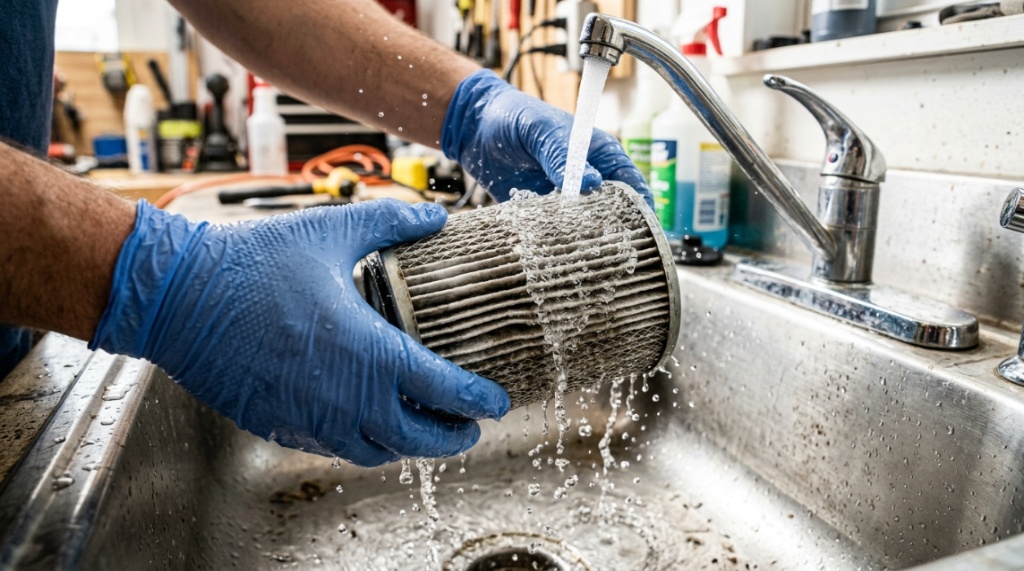
Remove the filter carefully outdoors to avoid spreading dust. Tap it gently against a hard surface to dislodge loose debris. For foam filters, wash with warm water and a drop of dish soap, then squeeze (never wring) dry. For felt and cartridge filters, rinse from the inside out with low water pressure. Let all filters dry completely for at least 24 hours before reinstalling.
Can You Wash All Wet Dry Vacuum Filters?
Filters That Are Washable
Most foam and cloth felt filters are designed to be washed. Many manufacturers sell reusable filters specifically labeled as washable. If the filter feels like stiff cardboard or has a paper layer, it is likely disposable. Check the user manual—washing a non-washable filter causes it to disintegrate inside your vacuum.
When to Replace Instead of Wash
Even washable filters wear out. Replace a foam filter when it loses its shape or develops tears. felt filters when they become thin or develop holes. Cartridge filters every six to twelve months depending on use. A filter that takes longer than 24 hours to dry is clogged with residue and should be replaced.
The Danger of a Wet Filter in Dry Mode
Never put a damp filter back into your vacuum and use it for dry pickup. Moisture from the filter gets sucked into the motor, causing rust and electrical shorts. Always rotate between two filters if necessary, keeping one dry while the other cleans. This simple rotation doubles the life of each filter,Before storing your equipment or tackling seasonal cleanup tasks, make sure your gear is fully optimized. If you are also looking to organize your household goods or food storage efficiently, check out our guide on how to Save Money with Vacuum Sealers in TX for more smart household preservation tips.
How Do You Clean the Hoses and Accessories?
Why Hoses Get Clogged and How to Clear Them
Wet debris like mud, sawdust, and small objects lodge inside hose bends and reduce suction. Disconnect the hose from both ends and look through it toward a light source. For clogs, push a broom handle or a plumber’s snake through gently. Never use wire hangers—they can puncture the hose wall.
Deodorizing the Hose
After wet pickups, rinse the hose with a diluted vinegar solution (one part vinegar to three parts water). Run clean water through afterward. Hang the hose in a U-shape to drain completely. Storing a hose with water trapped inside leads to black mold growth that ruins the hose lining.
Crevice Tools and Nozzle Care
Brushes and crevice tools collect hair, string, and sticky residue. Remove debris with an old toothbrush. Soak plastic attachments in warm soapy water if they are greasy. Dry them completely before storing. Pay special attention to rubber squeegees on wet nozzles—they dry out and crack if left wet.
When Should You Replace the Vacuum Hose?
Signs of Wear to Watch For
Cracks, splits, and punctures are obvious signs. Less obvious is hardening—when the hose becomes stiff and brittle, it loses flexibility and cracks at the connectors. If you see white stress marks near the ends, the hose is failing internally. A leaking hose wastes suction power and allows dust to escape into the air.
Prolonging Hose Life
Never kink the hose or store it bent sharply. Coil it loosely over a hook or hanger. Keep it away from direct sunlight and hot surfaces, as UV rays and heat accelerate rubber degradation. When pulling the hose, grab the connector, not the middle—pulling by the middle stretches and weakens the material.
How Do You Maintain the Motor and Electrical Components?
Keeping the Motor Cool
The motor relies on airflow to stay cool. A dirty filter or a blocked hose forces the motor to overheat. If the vacuum suddenly shuts off during heavy use, it may have tripped a thermal overload switch. Unplug the unit, let it cool for 30 minutes, and clean the filter before restarting. Repeated overheating permanently damages motor windings.
Inspecting the Power Cord Regularly
Frayed cords are a fire hazard. Run your hand along the entire cord monthly, feeling for nicks, cuts, or exposed wires. Check the strain relief where the cord enters the vacuum body—this is a common breaking point. Replace the cord immediately if you find damage. Never wrap the cord tightly around the vacuum; use a loose coil.
Cleaning the Ventilation Grilles
Dust and debris clog the intake and exhaust grilles over time. Use a soft brush or compressed air to clear them every few months. Blocked grilles starve the motor of air, causing it to run hotter and draw more amperage. This extra strain shortens motor life dramatically.
What Is the Best Way to Store a Wet Dry Vacuum?
Empty and Dry Before Storage
Never store a wet dry vacuum with anything inside the tank. Even a small amount of moisture creates condensation inside the motor housing. After cleaning, leave the lid slightly ajar for at least 24 hours in a dry area. This prevents the rubber gasket from sticking and seals from degrading.
Ideal Storage Environment
Store the vacuum in a climate-controlled space if possible. Extreme heat warps plastic and dries out seals. Extreme cold makes plastic brittle and cracks hoses. A garage corner is acceptable, but avoid concrete floors that hold moisture. Hang accessories on a pegboard rather than stuffing them inside the tank.
Storing Filters Separately
Keep a spare clean, dry filter stored in a sealed plastic bag. Mark the bag with the date so you know when you replaced it. Having a backup means you are never stuck using a wet filter or having to buy one mid-project. This small habit alone extends the life of your primary filter significantly.
How Do You Prevent Mold and Odors?
Bleach or Vinegar: Which Works Best?
For mold removal, a diluted bleach solution (one tablespoon per gallon of water) is effective but harsh on rubber parts. White vinegar (one cup per gallon of water) is safer for seals and still kills most mold and bacteria. Rinse thoroughly with water after using either solution to prevent chemical residue from damaging components.
Regular Deep Cleaning Schedule
Every three months, perform a full system clean. Remove the filter, hose, and all accessories. Wash the tank with warm soapy water and a long-handled brush. Run the vinegar solution through the hose. Dry everything completely before reassembly. This deep clean prevents the biofilm that causes persistent odors.
Odor Neutralizer Tricks
Place a few dry coffee grounds in a paper towel bundle and leave it inside the empty tank overnight. Coffee absorbs moisture and odors without chemicals. Alternatively, sprinkle baking soda across the bottom of the dry tank and vacuum it up with a fresh filter. This cleans the system internally while neutralizing smells.
Which Maintenance Mistakes Shorten Vacuum Life the Most?
Running the Vacuum on a Full Tank
When the tank is full of liquid, running the vacuum even a few extra seconds forces water into the motor. This is the number one killer of wet dry vacuums. Always stop immediately when suction changes or when you hear a pitch change in the motor. Empty the tank before continuing.
Using the Wrong Filter for the Job
Using a dry-only filter for wet pickup destroys the filter instantly and allows water into the motor. Conversely, using a foam wet filter for fine dry dust lets particles pass through and damage the motor. Match the filter to the material you are collecting. Many vacuums include both—use the correct one.
Ignoring the Gasket and Seal Condition
The gasket that seals the tank to the motor head prevents air leaks and keeps debris contained. If the gasket is cracked, flattened, or missing, suction drops dramatically and fine dust escapes. Inspect the gasket every time you clean the tank. Replace it at the first sign of wear—they cost a few dollars and are easy to swap out.
Proper wet dry vacuum maintenance is the difference between a machine that lasts a decade and one that fails after a handful of jobs. By emptying the tank after every use, cleaning filters on schedule, inspecting hoses and seals, and storing everything dry, you protect your investment and ensure reliable performance every time you need it.
Frequently Asked Questions
Can I use a wet dry vacuum without a filter?
No, never operate a wet dry vacuum without a filter in place. Running without a filter allows debris to enter the motor, causing immediate damage and creating a fire hazard from dust particles hitting hot electrical components.
How do I know when my filter is too dirty to clean?
If the filter feels stiff, shows visible holes or tears, takes more than 24 hours to dry after washing, or if suction remains weak even after cleaning, the filter is degraded and should be replaced.
Is it safe to vacuum standing water with any wet dry vacuum?
Only if the vacuum is specifically rated for wet pickup and you have removed the dry filter and installed the wet foam filter. Never use a standard dry vacuum or a shop vac without the proper wet filtration setup.
Why does my wet dry vacuum smell like rotten eggs?
That smell is hydrogen sulfide gas produced by bacteria growing in stagnant water left inside the tank, hose, or filter. Empty and dry all components immediately after wet use. A vinegar rinse kills the bacteria causing the odor.
Can I leave the filter on my wet dry vacuum between uses?
Yes, but only if the vacuum is stored in a dry place and the filter is completely dry. A damp filter left attached to the vacuum will grow mold and transfer moisture to the motor. Remove and dry the filter separately between heavy uses.
How often should I replace the foam filter on my shop vac?
Replace foam filters every six to twelve months with regular use. If you notice the foam tearing, losing shape, or becoming permanently compressed, replace it immediately since damaged foam allows debris into the motor.
What is the best way to unclog a wet dry vacuum hose?
Disconnect the hose from both the vacuum and the accessory. Use a broom handle or a plumber’s snake to push the clog out from the wider end. Never use sharp metal objects like coat hangers that can puncture the hose.