



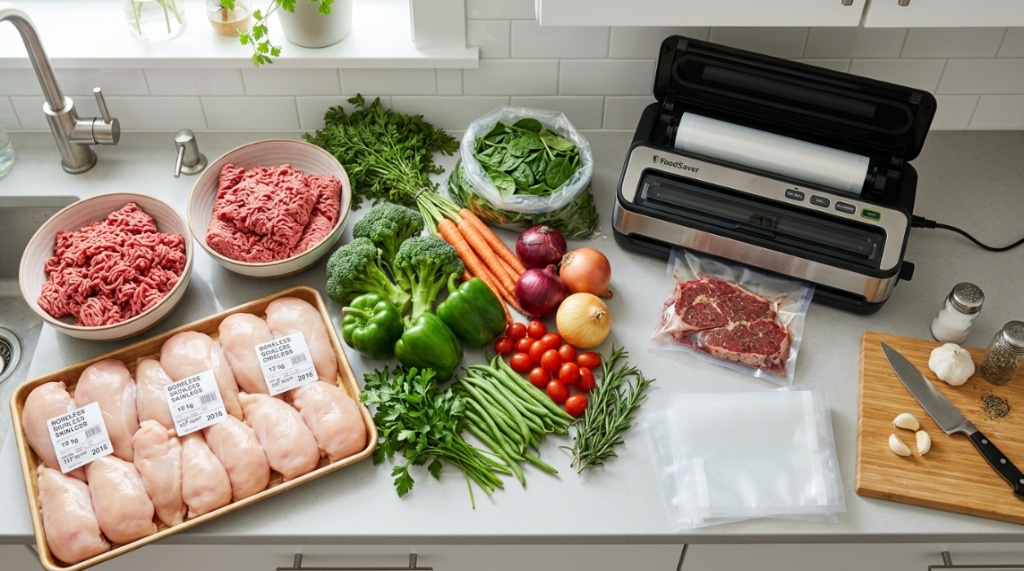
Living in Texas, you know the drill. You buy a bulk pack of brisket from Costco, a massive haul of Hatch green chiles, or a half-cow from a local ranch. Within days, you are tossing spoiled meat into the trash or scraping freezer-burned berries off a solid block of ice. The problem isn’t your shopping habits; it is your storage method. If you want to stop throwing your hard-earned Texas dollars into the garbage bin, you need to understand how vacuum sealers save money Texas families can keep their pantries stocked without waste. This guide will walk you through the exact financial benefits, the best foods to preserve, and the strategies to make your machine pay for itself in record time.
What Makes Vacuum Sealers a Smart Investment for Texas Households?
A vacuum sealer removes air from a bag and seals it shut, blocking oxygen, moisture, and bacteria. This simple process extends the shelf life of food by five to ten times compared to standard storage methods. For Texas families, this means buying meat in bulk during sales, preserving seasonal produce, and drastically reducing trips to the grocery store.
Understanding the Cost of Food Waste in Texas
The average American family wastes roughly $1,500 worth of food every year. In Texas, where grocery prices fluctuate due to supply chain issues and seasonal demand, that number can climb higher. Vacuum sealing eliminates freezer burn and spoilage, keeping your food fresh for months. When you factor in the cost of beef, chicken, and produce, a sealer that costs $50 to $100 pays for itself within two or three bulk shopping trips.
Why Traditional Storage Fails in Humid Climates
Texas humidity accelerates mold growth and freezer burn. Ziploc bags and plastic wrap let in moisture and air, leading to soggy vegetables and tough meat. A vacuum sealer creates an airtight barrier that protects your food from the humid Texas environment, keeping your dry goods crisp and your proteins tender.
The Financial Impact of Buying in Bulk
Warehouse stores like Sam’s Club and Costco thrive in Texas cities. Without a vacuum sealer, buying a 10-pound pork shoulder often leads to waste. With a sealer, you can portion the meat into individual meal-sized bags, freeze them properly, and save up to 30 percent on your monthly protein costs.
How Can Vacuum Sealers Reduce Your Grocery Bills?
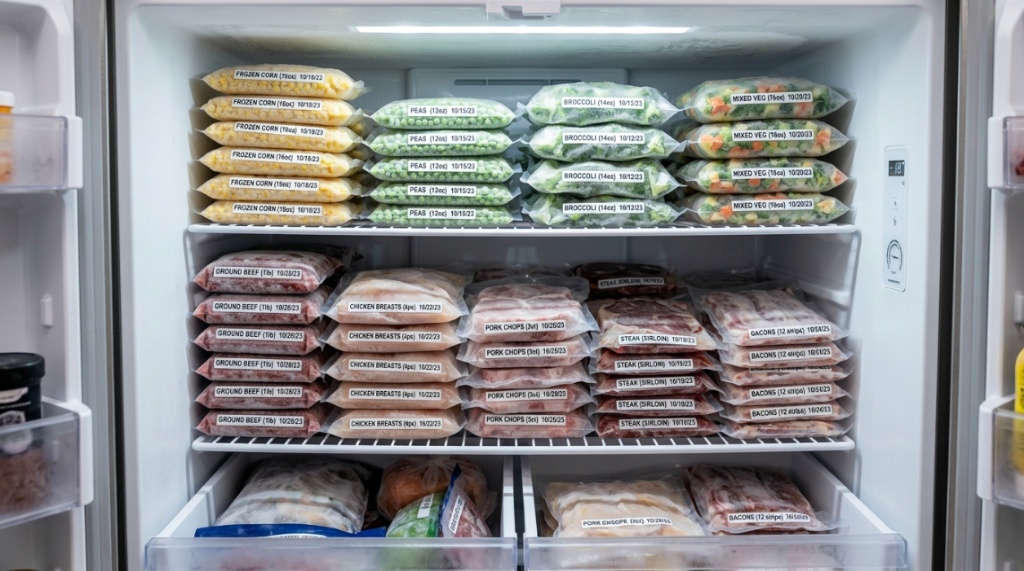
Vacuum sealers directly reduce grocery bills by preventing spoilage, enabling bulk buying, and preserving seasonal sales items. Instead of throwing away half a bag of onions or letting a family pack of chicken go bad, you seal and store it for future use.
Buying Meat During Sales and Stockpiling
Texas grocery stores run frequent sales on beef, chicken, and pork. If you see ribeye at $4.99 per pound, you can buy ten pounds, vacuum seal each steak, and freeze them. Over time, you build a freezer inventory that insulates you from price hikes. This practice alone can save you hundreds of dollars per year.
Preserving Seasonal Produce from Farmers Markets
From Texas peaches in July to winter squash in November, local produce is abundant. Vacuum sealing allows you to buy in peak season at lower prices and enjoy those flavors months later. Simply blanch vegetables, seal them, and freeze. You avoid paying premium winter prices for out-of-season produce shipped from across the country.
Reducing Takeout and Convenience Food Spending
When you have pre-sealed, pre-portioned meals in your freezer, you are less likely to order takeout after a long day. Vacuum-sealed soups, stews, and marinated proteins can go straight from the freezer to the sous vide or microwave. This convenience saves you the $20 to $30 you might spend on a single delivery meal.
Which Types of Food Offer the Biggest Savings When Vacuum Sealed?
Not all foods save you the same amount of money. Proteins, dry goods, and seasonal produce offer the highest return on investment due to their higher base cost and short shelf life under normal storage conditions.
Beef, Chicken, and Pork
Meat is the most expensive item in a Texas grocery cart. Vacuum sealing keeps beef fresh for three to five years in the freezer, compared to three months with standard wrapping. Pork and chicken maintain quality for two to three years. Buying a quarter cow from a local rancher and sealing it yourself can cut your meat costs by 50 percent.
Dry Goods and Pantry Staples
Rice, flour, beans, and pasta degrade quickly in humid environments. Vacuum sealing removes oxygen that attracts pantry pests and moisture that causes clumping. You can buy 25-pound bags of rice or pinto beans at a discount and store them for years without losing quality.
Cheese and Dairy Items
Cheese is expensive and prone to mold. A vacuum sealer keeps hard cheeses like cheddar and Parmesan fresh for months. You can buy cheese in bulk when it is on sale and seal blocks individually. Even shredded cheese stays fresh and free-flowing.
What Is the Best Way to Use a Vacuum Sealer for Meal Prep?
Meal prepping with a vacuum sealer saves time and money. By cooking large batches and sealing individual servings, you avoid food waste and ensure you always have a healthy meal ready. This method also reduces the temptation to buy expensive convenience foods.
Portion Control and Single Servings
Divide large batches of chili, soup, or pulled pork into single-serving bags. Seal them flat and freeze. When you need a meal, just drop the sealed bag into hot water or a microwave-safe bowl. This prevents you from thawing a large container and refreezing leftovers, which degrades quality.
Sous Vide Cooking and Energy Efficiency
Vacuum-sealed bags are perfect for sous vide cooking. You can seal a steak with seasoning, store it in the freezer, and cook it directly from frozen. This method uses less energy than a traditional oven and produces restaurant-quality results. The combination of meal prep and sous vide saves both money and cooking time.
Marinating and Freezing Simultaneously
Place raw chicken or beef in a vacuum bag with marinade. Seal it and freeze it. As the food thaws, the marinade infuses deeply into the meat. This eliminates the need for separate marinade containers and reduces waste. You save money by using homemade marinades instead of store-bought options.
How Much Money Can You Realistically Save Per Year?
Realistic annual savings depend on your household size and shopping habits. A family of four using a vacuum sealer regularly can save between $600 and $1,200 per year by reducing waste, buying in bulk, and eating out less often.
Calculating Savings from Reduced Waste
If you currently throw away $100 worth of food per month, cutting that to $20 saves you $960 per year. Most families see a 70 percent reduction in food waste within the first three months of using a sealer. Track your waste for one month, then compare after adopting vacuum sealing.
Savings from Bulk Buying at Warehouse Clubs
Warehouse club prices are typically 20 to 30 percent lower than regular grocery store prices. If you spend $300 per month on meat, buying only on sale and in bulk reduces that cost to $210. Over a year, that is an extra $1,080 in your pocket.
Lower Energy Costs with Sous Vide Cooking
Sous vide uses less electricity than a conventional oven or stovetop. Cooking a whole roast in a water bath uses roughly 50 percent less energy. While not a massive savings on its own, combined with the other benefits, it adds up over the year.
Which Vacuum Sealer Features Matter Most for Saving Money?
Choosing the right machine affects how much you actually save. Cheaper models break quickly and waste bags. Features like adjustable vacuum strength, bag cutter storage, and a pulse function directly impact your long-term savings and usability.
Adjustable Vacuum Strength for Delicate Foods
Foods like bread, chips, and berries get crushed under full vacuum pressure. An adjustable setting lets you preserve these items without turning them to crumbs. This feature prevents wasted food and wasted bags, which saves you money in the long run.
Roll Storage and Bag Cost Efficiency
Buying rolls of bag material and cutting custom lengths is cheaper than buying pre-made bags. Machines with built-in storage and cutters make this process easy. You can cut exactly the size you need, reducing bag waste by up to 30 percent.
Warranty and Durability for Heavy Use
A $40 machine that breaks after six months costs you more than a $100 machine that lasts four years. Look for models with at least a two-year warranty. Investing in quality ensures your savings continue year after year. For a great selection of reliable options, check out vacuum sealers save money Texas.
Can You Use a Vacuum Sealer for Non-Food Items to Save More?
Absolutely. Vacuum sealers are not limited to food. Sealing household items extends their lifespan and protects them from moisture and dust. This versatility adds another layer of savings for Texas homeowners.
Protecting Important Documents from Humidity
Birth certificates, deeds, and warranty papers can be sealed in a bag with a silica gel packet. This prevents the humidity common in Texas summers from damaging them. You avoid the cost of replacing lost or ruined documents.
Preserving Tools and Fishing Gear
Seal fishing lures, spare parts, and even small hand tools in vacuum bags. This prevents rust and corrosion, especially if you store items in a garage or shed. You save money by not having to replace corroded gear.
Emergency Preparedness and Long-Term Storage
Vacuum sealing is excellent for emergency kits. Seal matches, first aid supplies, and dry clothing for bug-out bags. These items stay dry and ready for use. Building a sealed emergency kit reduces the need to rebuy supplies after they get damaged.
What Are the Most Common Mistakes That Waste Money?
Even with a vacuum sealer, you can waste money if you use it incorrectly. Knowing common pitfalls helps you avoid wasted bags, spoiled food, and broken equipment.
Overfilling Bags and Poor Sealing
Leaving too little space at the open end of the bag prevents a proper seal. Food near the seal line gets crushed and leaks. Always leave at least three inches of empty bag space to ensure a clean, airtight seal.
Sealing Wet or Moist Foods Incorrectly
Liquid can get sucked into the machine, damaging the seal bar and ruining the bag. Freeze liquids like soup or stew in a container first, then vacuum seal the solid block. This prevents machine damage and bag failure.Once you have successfully preserved your bulk ingredients, the next step is choosing the right appliance to cook them efficiently. If you are debating how to prepare your newly sealed ingredients, understanding the differences between a Crock Pot and a Multi Cooker can help you maximize your time and energy savings in the kitchen.
Not Pre-Freezing Soft or Sharp Foods
Soft cheeses, berries, and foods with sharp edges (like pasta or bones) can pierce bags or get crushed. Pre-freeze these items for one to two hours before sealing. This protects the bag integrity and your food quality.
Frequently Asked Questions
Can you vacuum seal food without a machine?
Yes, you can use manual hand pumps or water displacement methods with zip-top bags, but they are less effective. Machines provide a stronger seal and longer food preservation, making them a better investment for serious savings.
How long does vacuum-sealed food last in the freezer?
Properly vacuum-sealed beef and pork last three to five years. Chicken lasts two to three years. Vegetables last one to three years depending on how well they were blanched before sealing.
Is it cheaper to buy bag rolls or pre-cut bags?
Bag rolls are significantly cheaper per linear foot. You cut exactly what you need, reducing waste. Pre-cut bags cost more and limit you to fixed sizes. Rolls offer flexibility and better long-term value.
Can you reuse vacuum sealer bags?
Yes, if you seal dry goods or items that do not leave raw juices. Wash the bags thoroughly with hot soapy water, dry them completely, and reuse them. This practice saves money and reduces plastic waste.
Do vacuum sealers work for sous vide cooking?
Yes, vacuum-sealed bags are ideal for sous vide. They keep water out and food in. Many sous vide enthusiasts use the same machine for both sealing and cooking, which saves money and kitchen space.
What foods should you not vacuum seal?
Avoid sealing raw mushrooms, soft cheeses without pre-freezing, and foods with high moisture content like fresh lettuce. These items either degrade quickly or release gases that cause bags to expand and leak.
How do you maintain a vacuum sealer for long life?
Clean the seal bar and drip tray after every use. Leave the lid open to dry completely. Replace the sealing tape every six to twelve months depending on usage. Proper maintenance prevents costly repairs or replacement.
Conclusion
Vacuum sealing is not just about convenience; it is a proven financial strategy for Texas households. By extending the life of your food, enabling bulk purchases, and reducing waste, you can easily recover the cost of your machine within the first three months. The key is to buy a reliable unit, use it consistently, and apply the techniques outlined in this guide. Whether you are a hunter storing venison, a gardener preserving tomatoes, or a parent prepping school lunches, a vacuum sealer puts money back in your pocket. Start small, seal strategically, and watch your grocery bills shrink.