

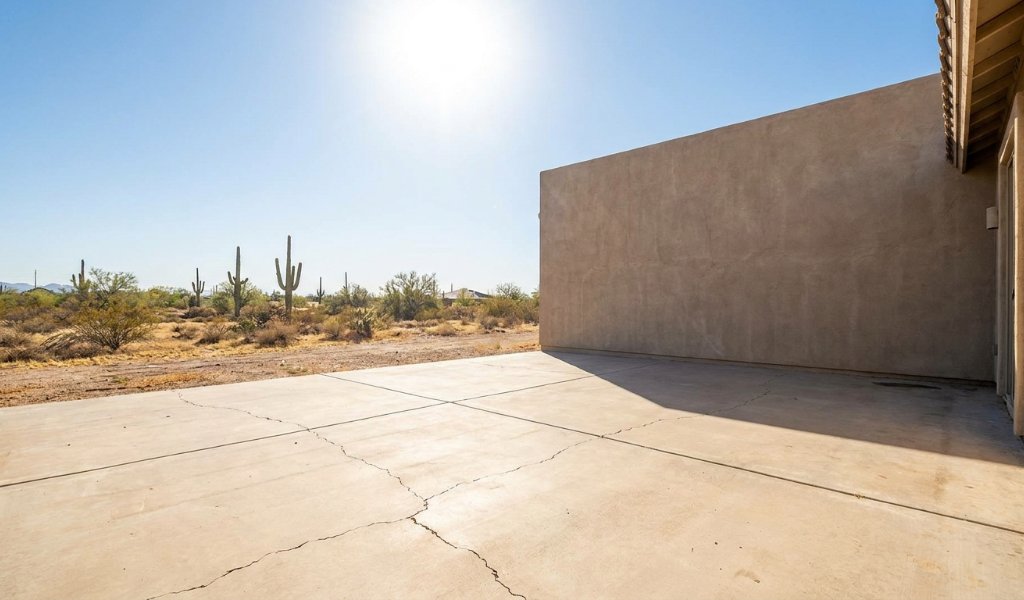
You can cool a hot Phoenix veranda by installing high-pressure misting lines and durable outdoor ceiling fans. In addition, mount exterior solar shade screens to deflect punishing desert ultraviolet rays. These targeted cooling upgrades reduce ambient patio surface temperatures by up to thirty degrees.
Phoenix experiences more than 100 days exceeding triple-digit temperatures during typical summer calendar cycles. Furthermore, outdoor radiant surfaces regularly absorb solar heat exceeding 160 degrees across the Valley. Homeowners comparing various architectural types of patio structures require specialized thermal defense mechanisms. Consequently, implementing active evaporative cooling transforms an uninhabitable afternoon deck into a refreshing shaded refuge. Sustainable shade investments safeguard your patio furnishings from intense sun bleaching.
Key Takeaways
- Misting pressure: Run misting systems at 1000 PSI to generate flash evaporation without soaking deck furniture.
- Solar screens: Mount dense ninety percent UV blocking shades along west-facing exterior patio exposures.
- Air movement: Position wet-rated directional ceiling fans to generate consistent four-mile-per-hour breezes.
- Thermal barriers: Coat overhead veranda roofs with elastomeric bright white reflective sealant coatings.
- Desert greenery: Position potted xeriscape succulents around perimeter borders to mitigate reflected slab heat.
Understand Extreme Sonoran Desert Solar Exposure
The blazing desert sun radiates intense ultraviolet energy across uncovered outdoor concrete floor slabs. Consequently, concrete slabs store heavy thermal mass and radiate heat well into late midnight hours. Unprotected veranda rafters absorb intense heat and warm the pocket of air below. Homeowners must interrupt this relentless cycle of radiant heat absorption.
West-facing outdoor verandas suffer the most severe heat loads during sweltering midsummer desert afternoons. Direct horizontal sunlight bypasses traditional roof overhangs and strikes exterior walls directly. Furthermore, ambient winds often exceed ninety degrees, limiting natural convective cooling opportunities outdoors. Active shading elements provide essential defense against relentless afternoon sun exposure.
In addition, unshaded outdoor masonry walls transfer ambient heat inward toward home living areas. Trapped thermal pockets elevate regional outdoor cooling costs significantly throughout the prolonged summer. Installing exterior thermal buffers cools both your shaded veranda and adjacent interior rooms. Careful microclimate management enhances everyday residential energy efficiency.
Mount High-Pressure Misting Systems for Instant Cooling
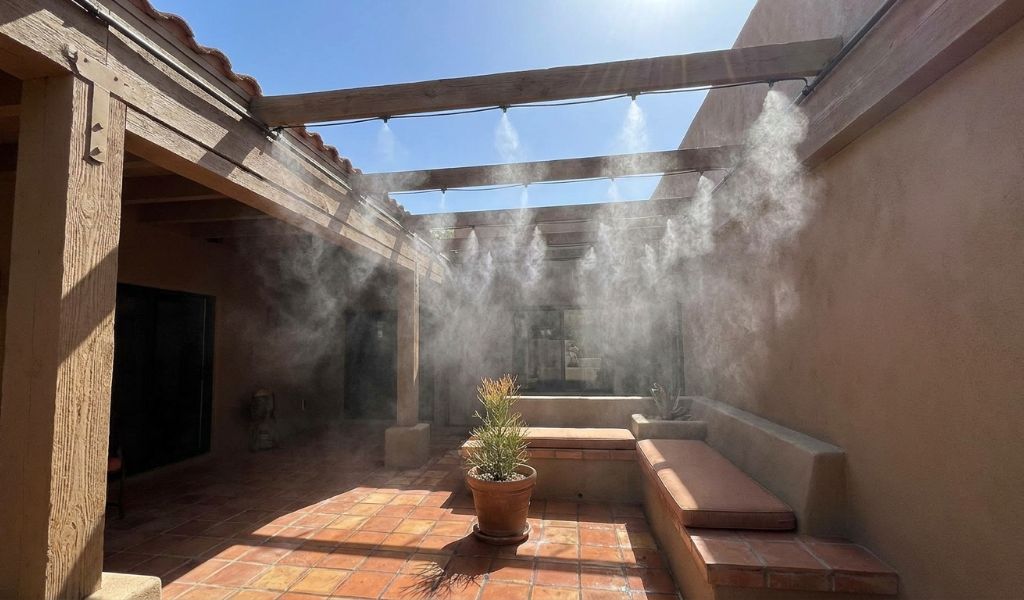
High-pressure misting systems provide the most reliable relief against dry Sonoran desert heatwaves. Specifically, pumps operating at 1000 PSI atomize clean tap water into microscopic water droplets. These ultra-fine droplets evaporate instantly in arid air, dropping ambient temperatures by thirty degrees. Low-pressure kits simply create soggy puddles without delivering substantial temperature reductions.
Just as gardeners carefully balance carbon nitrogen backyard materials, cooling requires balanced air and moisture. Therefore, space ceramic misting nozzles roughly twenty-four inches apart along the veranda perimeter line. Point nozzle heads outward at forty-five-degree angles toward incoming hot desert breezes. This alignment creates an evaporative thermal curtain that shields your outdoor lounge space.
Furthermore, install high-quality stainless steel or nickel-plated brass misting lines instead of soft plastic tubing. Rigid metal lines endure brutal summer temperatures without warping or leaking under high hydraulic pressure. Inspect inline water filtration cartridges monthly to eliminate hard desert mineral calcification. Unclogged nozzles deliver continuous cooling performance throughout scorching summer days.
Install Heavy Exterior Solar Shades and Pergola Screens
Exterior shade fabrics stop radiant solar energy before it strikes veranda windows and concrete flooring. Specifically, motorized roller shades woven from PVC-coated polyester block ninety-five percent of harsh ultraviolet rays. These durable outdoor screens allow outward vision while completely blocking oppressive solar glare. Lowering screens during peak midday hours maintains remarkably cooler deck floor temperatures.
When interior storage feels cramped and your kitchen never feels quite spacious, comfortable verandas expand living capacity. Therefore, enclose western veranda perimeters with track-guided exterior zip screens. Zippered side channels stabilize fabric panels against sudden dusty monsoon wind bursts. Moreover, closed screens repel blowing desert sand while retaining chilled evaporative mist.
Additionally, choose neutral light tan or metallic bronze screen fabrics to maximize solar reflection. Dark black fabrics absorb significant heat energy, radiating unwanted warmth directly into shaded seating areas. Light-colored weaves deflect solar rays outward away from your veranda envelope. Durable woven exterior mesh withstands years of relentless sun exposure without premature brittleness.
Integrate High-Velocity Damp-Rated Ceiling Fans
Stagnant desert air traps oppressive heat pockets beneath deep veranda roof ceilings. Therefore, mount heavy-duty damp-rated exterior ceiling fans equipped with large fifty-four-inch contoured aerofoil blades. Powerful electric motors circulate air efficiently to produce a chilling convective wind-chill sensation. Moving air evaporates human skin perspiration rapidly, making eighty-five-degree verandas feel significantly cooler.
Understanding structural building science and what happens inside timber frame systems ensures safe overhead fan mounting. Secure ceiling fan electrical junction boxes directly into primary veranda structural roof beams. Weak bracket attachments can loosen and fail when fans operate under turbulent monsoon gusts. High-quality damp-rated motors resist ambient dust infiltration and seasonal humidity swings.
Furthermore, program fan motors to rotate counterclockwise at high speed throughout long summer months. This forward rotation drives air directly downward to generate strong vertical cooling breezes. Position fans approximately seven to eight feet above the finished patio floor for optimal airflow. Multiple ceiling fans spaced evenly prevent hot air from accumulating in covered veranda corners.
Apply Reflective Roof Coatings and Thermal Barriers
Dark asphalt shingles or clay barrel tiles absorb immense heat across uninsulated veranda roofs. Consequently, blazing roof surfaces radiate intense heat downward onto guests relaxing below. Apply an elastomeric cool roof coating featuring high solar reflectance index values across flat roofs. Bright white acrylic coatings reflect up to eighty-five percent of direct solar radiation into space.
For pitched tile or metal roofs, install rigid foam insulation boards under finished ceiling paneling. Extruded polystyrene insulation prevents radiant solar warmth from penetrating through outdoor roof decking. Furthermore, cover the underside with charming tongue-and-groove cedar or durable composite ceiling soffit planks. Insulated patio ceilings dramatically lower overhead radiant temperatures during midsummer heat spells.
In addition, install radiant foil barriers between roof rafters before securing decorative ceiling finishes. Shiny aluminum foil sheets reflect infrared heat waves back toward the upper roof deck. Radiant barriers eliminate oppressive ceiling heat without requiring electrical energy or continuous mechanical operation. Passive thermal insulation ensures lasting comfort throughout severe desert heat spells.
Strategically Position Desert Landscaping and Thermal Mass
Surrounding hardscapes amplify veranda heat through intense reflection off bare gravel and stone pathways. Therefore, plant drought-tolerant native desert trees like velvet mesquite or desert willow along western borders. Dense desert foliage filters harsh afternoon sun rays before they reach your covered veranda foundation. Natural botanical shade cools surrounding soil temperatures through continuous plant evapotranspiration.
Furthermore, arrange potted columnar cacti, aloe vera, and ornamental desert grasses along open veranda edges. Large ceramic planters block low-angle sunlight from heating exposed outdoor floor slabs. In addition, moist potting soil absorbs ambient heat without radiating high thermal loads. Living plant arrangements create an inviting oasis atmosphere that softens stark desert architecture.
Additionally, replace unshaded concrete walkways near your veranda with decomposed granite or permeable pavers. Permeable ground surfaces release heat faster at sundown than dense poured concrete slabs. Lower thermal retention around your home allows evening verandas to cool down rapidly after sunset. Thoughtful landscape design complements mechanical cooling systems for maximum outdoor comfort.
Conclusion
Cooling a scorching veranda in Phoenix requires an integrated defense against relentless Sonoran sunshine. By combining high-pressure evaporative misting, solar exterior shades, and damp-rated fans, you lower patio temperatures dramatically. These proactive thermal solutions transform uninhabitable desert spaces into relaxing outdoor entertainment sanctuaries throughout summer.
Upgrade your outdoor living environment today to enjoy comfortable desert evenings with family and friends. Install protective solar shade screens, service your misting pumps, and optimize overhead ceiling airflow this week. Contact a licensed Arizona outdoor living contractor to design your custom veranda cooling system now.
FAQs
What pressure is best for patio misting systems in Phoenix?
A 1000 PSI high-pressure pump is best because it creates instant evaporative flash cooling without wetness.
How much cooler does a veranda get with high-pressure mist?
High-pressure misting systems can drop ambient veranda temperatures by up to thirty degrees Fahrenheit.
Do outdoor ceiling fans lower the actual air temperature?
Ceiling fans move air across skin to create a cooling sensation without lowering actual air temperatures.
Which direction should veranda ceiling fans spin during summer?
Veranda ceiling fans must spin counterclockwise at high speed to push cooling airflow downward.
What shade percentage works best for Phoenix veranda solar screens?
Exterior solar shade screens with ninety to ninety-five percent UV blockage work best in Phoenix.