


Pepper plants often begin the growing season with strong growth, bright flowers, and promising fruit development. However, many gardeners in Dallas notice that healthy plants suddenly slow down or produce poor-quality peppers halfway through the season. This issue affects both backyard gardens and larger home vegetable plots. According to agricultural studies, extreme heat can reduce pepper pollination by more than 50%, while inconsistent watering remains one of the leading causes of fruit disorders. Understanding why pepper plants in Dallas, TX stop producing healthy fruits mid-season can help gardeners protect yields and enjoy a productive harvest. Many gardeners also support healthy growth with a quality fertilizer for pepper and vegetable plants during key development stages.
Dallas Weather Creates Unique Challenges for Pepper Plants
Dallas experiences long summers, intense sunshine, and frequent periods of extreme heat. Pepper plants enjoy warm conditions, yet excessive temperatures can quickly become harmful. Once daytime temperatures remain above 95°F for extended periods, plants experience stress. As a result, flowering and fruit production often decline.
Hot weather affects pollen viability and reduces successful pollination. Consequently, flowers may drop before forming peppers. Plants may still look green and healthy from a distance. However, internal stress limits fruit development and reduces overall production.
Nighttime temperatures also influence fruit formation. When overnight temperatures remain above 75°F, pepper plants struggle to recover from daytime heat. This continuous stress weakens reproductive growth. Therefore, fruit quality often decreases as summer progresses.
Heat Stress Causes Mid-Season Production Decline
Heat stress ranks among the most common reasons for reduced pepper yields in Dallas. Pepper plants perform best within a moderate temperature range. Although they tolerate warmth, prolonged exposure to extreme conditions disrupts normal growth. Eventually, plants shift energy from fruit production to survival.
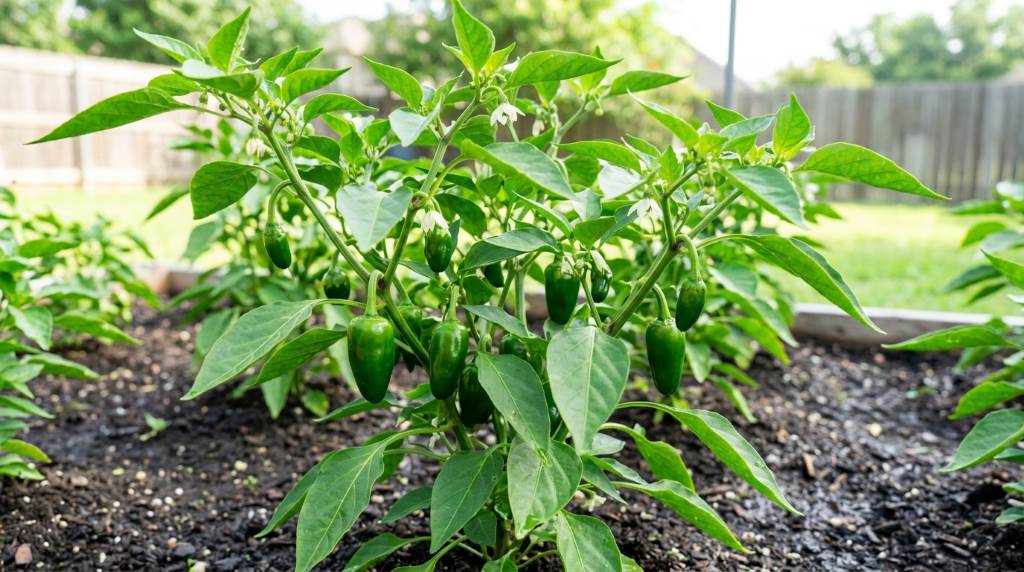
Gardeners often notice flowers falling off without producing peppers. In addition, existing fruits may remain small or develop uneven shapes. Some peppers stop growing entirely despite healthy foliage. These symptoms usually indicate environmental stress rather than disease.
Providing afternoon shade can significantly improve plant performance. Shade cloth works especially well during peak summer temperatures. Furthermore, mulch helps cool soil around the root zone. Together, these practices reduce temperature-related damage.
Inconsistent Watering Disrupts Fruit Development
Pepper plants require consistent moisture throughout the growing season. Unfortunately, many Dallas gardens experience rapid soil drying during summer. Heavy watering followed by dry periods creates stress. Consequently, fruit quality often suffers.
Irregular moisture affects nutrient movement inside the plant. Therefore, peppers may develop thin walls, poor color, or cracking. Blossom-end rot also becomes more common under inconsistent watering conditions. Maintaining steady soil moisture helps prevent these issues.
Deep watering several times per week usually works better than frequent shallow watering. Moreover, organic mulch reduces evaporation and stabilizes moisture levels. Gardeners who monitor soil regularly often achieve more reliable harvests. Consistency remains the key factor.
Soil Drainage Problems Often Go Unnoticed
Many gardeners focus on drought stress while overlooking drainage issues. Excess water can be just as damaging as dry conditions. Saturated roots struggle to absorb oxygen and nutrients. As a result, plants weaken and fruit production declines.
Dallas soils vary widely between neighborhoods. Some areas contain heavy clay that retains water for long periods. Others drain too quickly and lose moisture rapidly. Understanding local soil conditions helps gardeners make better management decisions.
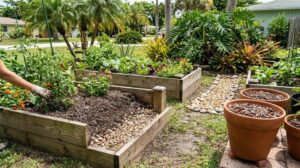
Improving soil structure supports healthier root systems throughout the season. Raised beds often provide excellent results in challenging locations. Gardeners interested in better water management can learn from simple drainage soil ideas that encourage stronger plant growth. Better drainage frequently leads to healthier fruit production.
Nutrient Imbalances Reduce Pepper Quality
Pepper plants consume nutrients steadily throughout the growing season. Early growth may appear vigorous even when nutrient levels begin declining. Eventually, deficiencies affect flowering and fruit development. Production often slows during mid-season as reserves become depleted.
Excess nitrogen creates another common problem. Plants produce abundant leaves while reducing fruit output. Although foliage appears lush and attractive, peppers remain scarce. Balanced nutrition encourages both healthy growth and strong harvests.
Regular soil testing provides valuable information about nutrient availability. Furthermore, targeted fertilization prevents unnecessary applications. Gardeners can adjust feeding schedules based on actual plant needs. This approach supports consistent production throughout summer.
The Hidden Impact of Warm Root Zones
One overlooked factor involves root-zone temperature rather than air temperature. Even when leaves appear healthy, excessively warm soil can impair root function. Dallas gardens often experience soil temperatures exceeding optimal levels. Consequently, nutrient uptake becomes less efficient.
This issue rarely appears in typical gardening guides. However, root stress can significantly reduce fruit quality. Plants may continue producing flowers while lacking the resources needed for proper fruit development. Therefore, yields decline despite apparently healthy plants.
Organic mulch helps insulate roots from extreme temperature fluctuations. Additionally, companion planting can provide natural ground shading. These methods keep root zones cooler during summer. Healthier roots support healthier peppers.
Poor Pollination During Extreme Summer Conditions
Pollination plays a critical role in pepper production. High temperatures reduce pollen viability and interfere with fertilization. As a result, flowers often drop before fruit formation occurs. This problem becomes especially common during Dallas heat waves.
Wind patterns and humidity levels also affect pollination success. Furthermore, reduced pollinator activity during extreme heat limits flower visits. Even self-pollinating pepper varieties benefit from environmental conditions that support pollen movement. Successful pollination directly influences harvest size.
Gardeners can gently shake plants during cooler morning hours. This simple technique helps distribute pollen between flowers. In addition, attracting pollinators supports overall garden productivity. Small actions can improve fruit set significantly.
Pests Become More Aggressive Mid-Season
Several pests become increasingly active as temperatures rise. Aphids, spider mites, and whiteflies frequently target stressed pepper plants. These insects feed on plant sap and reduce overall vigor. Consequently, fruit quality often declines.
Spider mites present a particular challenge during hot, dry conditions. Their populations can expand rapidly within days. Leaves may develop speckled discoloration and reduced photosynthetic efficiency. Plants then struggle to support healthy fruit production.
Regular inspections allow gardeners to detect infestations early. Moreover, strong plants resist pest damage more effectively. Integrated pest management strategies often provide the best results. Prevention remains easier than treatment.
Diseases Can Interrupt Production
Fungal and bacterial diseases sometimes appear during summer stress periods. Plants weakened by heat or moisture problems become more vulnerable. Symptoms may include leaf spots, wilting, or poor fruit development. Disease pressure often increases after heavy rainfall.
Proper spacing improves airflow around plants. Consequently, foliage dries more quickly after watering or storms. Reduced moisture on leaves lowers disease risk. Healthy growing conditions remain the best defense.
Removing infected plant material limits disease spread. Furthermore, crop rotation helps prevent recurring problems. Gardeners who monitor plants regularly can respond before serious damage occurs. Early action protects productivity.
Pruning Mistakes Can Affect Mid-Season Harvests
Many gardeners prune pepper plants to improve shape or airflow. However, excessive pruning can reduce fruit production. Removing too much foliage exposes fruits and stems to intense sunlight. This increases stress during hot weather.
Moderate pruning usually provides the best balance. Plants need enough leaves to support photosynthesis and shade developing peppers. Therefore, selective trimming works better than aggressive cutting. Strategic pruning encourages healthier growth.
Using quality tools also helps prevent unnecessary plant damage. Gardeners comparing equipment often explore bypass vs anvil pruners to make cleaner cuts that support plant recovery. Healthy stems contribute to stronger harvests.
Garden Microclimates Influence Pepper Performance
Not every part of a yard experiences identical growing conditions. Walls, fences, patios, and driveways create microclimates that affect temperature and moisture. Some areas become significantly hotter than surrounding spaces. Consequently, pepper plants may perform differently within the same garden.
Reflective surfaces intensify heat stress during summer afternoons. Meanwhile, shaded locations often maintain more stable conditions. Understanding these differences helps gardeners choose better planting locations. Small adjustments can improve productivity.
Creating balanced garden environments benefits peppers and other vegetables. Gardeners seeking a peaceful and productive landscape often draw inspiration from green oasis secrets creating healthier outdoor spaces. Thoughtful design can reduce environmental stress.
How to Keep Pepper Plants Producing All Season
Successful pepper production requires a combination of good practices. No single solution addresses every mid-season problem. Instead, gardeners should focus on overall plant health. Consistent care produces the best long-term results.
- Water deeply and consistently.
- Apply mulch around plants.
- Monitor soil nutrient levels.
- Provide afternoon shade during heat waves.
- Inspect regularly for pests and diseases.
- Improve drainage where necessary.
- Avoid excessive nitrogen fertilization.
- Maintain healthy root-zone temperatures.
These actions help plants remain productive despite challenging summer conditions. Furthermore, proactive management reduces stress before problems become severe. Strong plants recover more quickly from environmental challenges. Prevention always delivers better results than correction.
Conclusion
Understanding why pepper plants in Dallas, TX stop producing healthy fruits mid-season requires examining several interconnected factors. Extreme heat, inconsistent watering, nutrient imbalances, root stress, pests, and poor pollination all contribute to declining production. Fortunately, most of these challenges can be managed with proper planning and consistent care. By improving growing conditions and responding early to signs of stress, gardeners can extend harvests and enjoy healthier peppers throughout the season. Start evaluating your garden today and implement these practical strategies to keep your pepper plants productive from spring through fall.
FAQs
Why do pepper flowers fall off in Dallas during summer?
Extreme heat often causes flowers to drop before successful pollination occurs.
How often should I water pepper plants in hot weather?
Deep watering several times per week usually works better than frequent shallow watering.
Can too much fertilizer reduce pepper production?
Yes, excessive nitrogen encourages leaf growth while reducing fruit development.
Does mulch help pepper plants survive Dallas heat?
Yes, mulch helps retain moisture and keeps root temperatures more stable.
What is the most common mid-season pepper problem?
Heat stress remains one of the most common causes of reduced fruit production.