
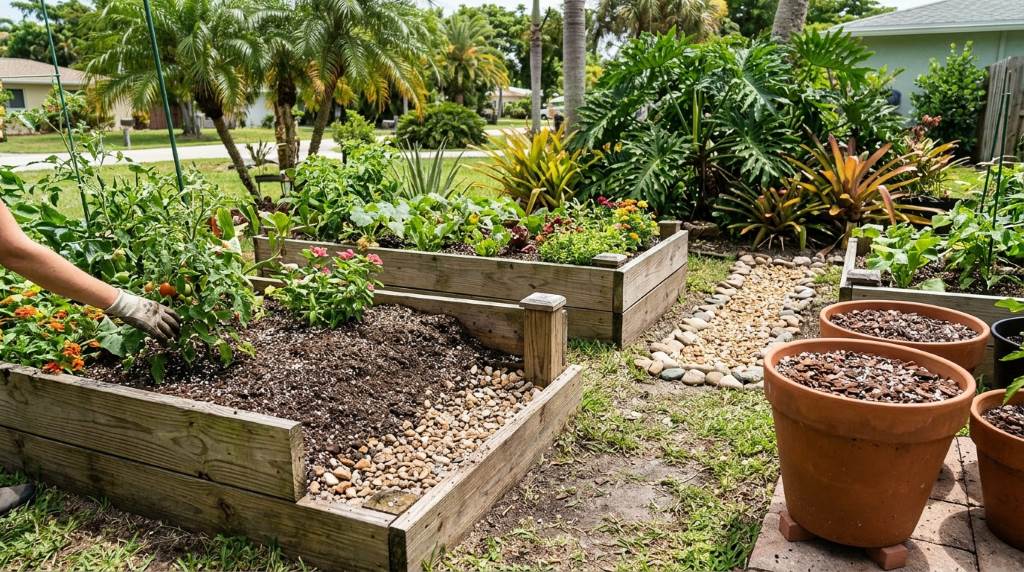
Miami gardeners face heavy rainfall, high humidity, and long warm seasons throughout the year. According to the National Weather Service, Miami receives more than 60 inches of rain annually, which often creates drainage issues in home gardens. Poor drainage can quickly damage roots, invite pests, and weaken healthy plants. Therefore, many local gardeners rely on smart soil solutions to keep landscapes productive and attractive. Some homeowners also improve container gardens with a well-draining chunky soil mix recipe to support better airflow and moisture balance. With the right drainage methods, Miami gardens can thrive in every season.
Why Drainage Matters in Miami Gardens
Miami’s tropical climate creates unique gardening challenges for homeowners and landscapers alike. Heavy rain can saturate soil within hours, especially during hurricane season. As a result, waterlogged roots often lead to fungal diseases and plant stress. Good drainage helps plants absorb nutrients while preventing standing water around the root zone.
South Florida also contains many areas with sandy or compacted soil conditions. Some neighborhoods drain too quickly, while others trap moisture for long periods. Therefore, gardeners must balance water retention with proper drainage performance. Healthy soil structure becomes essential for long-lasting garden success.
Many native and tropical plants prefer moist but airy soil conditions. However, dense soil blocks oxygen from reaching the roots effectively. This problem slows growth and weakens plant health over time. Gardeners who improve drainage often notice stronger blooms and healthier foliage.
Use Raised Garden Beds for Better Drainage
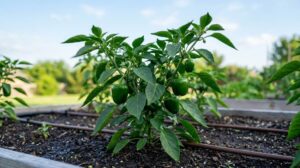
Raised beds remain one of the easiest drainage solutions used in Miami gardens. These structures lift soil above ground level and reduce water accumulation after storms. Moreover, raised beds allow gardeners to customize their soil mix more efficiently. Plants gain better airflow and root protection during wet months.
Wood, stone, and concrete blocks work well for raised garden construction. Most gardeners build beds between 10 and 18 inches deep for vegetables and flowers. Additionally, raised beds warm up faster during cooler months in South Florida. This feature supports year-round gardening opportunities.
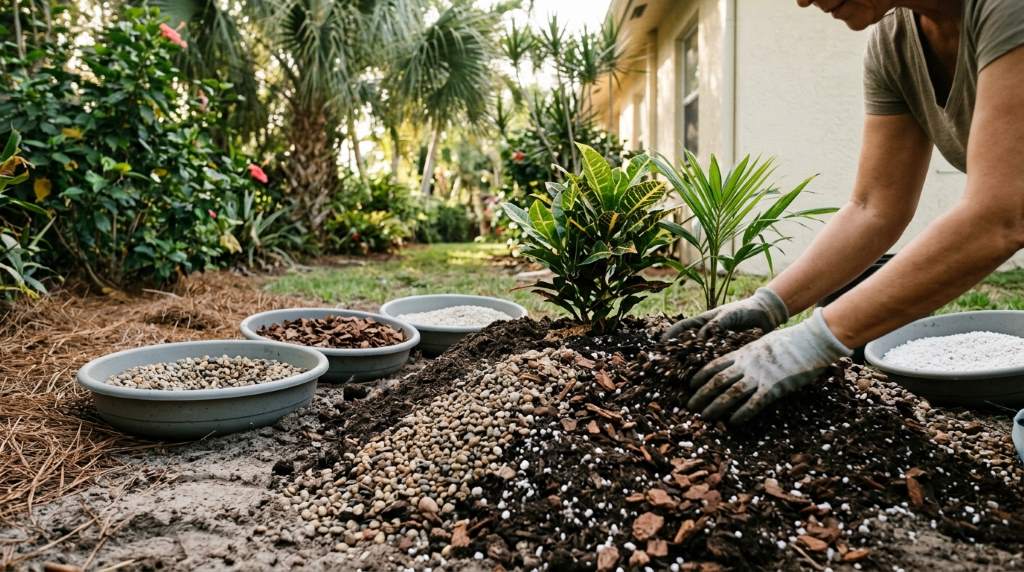
A quality raised bed mix should contain organic matter and coarse materials. Compost, pine bark, coconut coir, and perlite improve soil texture naturally. These ingredients help excess water drain without drying plants too quickly. Gardeners often refresh raised bed soil every growing season for the best results.
Best Plants for Raised Beds in Miami
Several plants grow exceptionally well in raised garden beds across Miami. These species tolerate humidity while benefiting from improved drainage conditions. Gardeners frequently combine ornamental and edible plants for attractive landscapes.
Popular raised bed plants include:
- Peppers
- Tomatoes
- Basil
- Hibiscus
- Bird of paradise
- Lettuce
- Eggplant
- Marigolds
These plants grow more consistently when roots avoid standing water after heavy rain.
Add Organic Matter to Improve Soil Structure
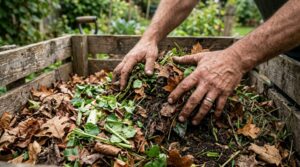
Organic matter dramatically improves drainage in compacted garden soil. Compost loosens dense soil particles while increasing microbial activity underground. Consequently, roots spread more easily and absorb nutrients more efficiently. Miami gardeners commonly use homemade compost or bagged organic blends.
Shredded leaves and aged manure also improve drainage naturally over time. These materials break down slowly and create better soil texture throughout the growing season. Furthermore, organic matter increases beneficial worm activity in garden beds. Earthworms naturally aerate soil and support healthy drainage systems.
Gardeners should mix compost into the top 8 to 12 inches of soil. This process allows water to move evenly through the planting area. However, excessive compost can hold too much moisture in some sandy locations. Balanced soil amendments produce the most reliable drainage improvements.
Mix Sand Carefully Into Heavy Soil
Many Miami gardeners use coarse sand to improve drainage in clay-heavy areas. Sand creates larger spaces between soil particles and helps water move downward faster. However, fine sand may compact soil further when mixed incorrectly. Therefore, gardeners should always choose coarse builder’s sand or horticultural sand.
The ideal mix combines soil, compost, and sand in balanced proportions. A common formula includes 50% soil, 30% compost, and 20% coarse sand. This combination supports airflow while maintaining healthy moisture retention. Gardeners should test drainage before planting large areas.
Sand works especially well around drought-tolerant plants and tropical ornamentals. Palm trees, succulents, and bougainvillea often benefit from sand-enhanced soil conditions. Additionally, sandy mixtures reduce the risk of root rot during rainy months. Proper blending remains important for long-term performance.
Use Mulch to Control Moisture Levels
Mulch helps Miami gardens manage water movement and soil temperature naturally. Organic mulch slows heavy rain impact while preventing soil erosion around plants. As a result, garden beds retain structure during storms and summer downpours. Mulch also reduces evaporation during hot weather.
Popular mulch choices in Miami include pine bark, eucalyptus mulch, and shredded hardwood. Coconut husk mulch also works well in tropical landscapes because it resists decomposition longer. Moreover, organic mulch gradually enriches the soil as it breaks down. This process supports stronger root development over time.
Gardeners should apply mulch in layers about two to three inches thick. Thicker layers may trap too much moisture near sensitive plant stems. Additionally, mulch should stay several inches away from trunks and crowns. Proper spacing prevents fungal issues and pest infestations.
Benefits of Mulching in Miami Gardens
Mulch provides several important benefits beyond basic drainage improvement. Many local gardeners rely on mulch year-round for easier landscape maintenance.
Key advantages include:
- Reduced soil compaction
- Better moisture balance
- Fewer weeds
- Cooler root temperatures
- Less soil erosion
- Improved soil fertility
These benefits help gardens remain healthier during intense summer weather.
Install French Drains in Problem Areas
Some Miami properties experience severe water pooling after storms and hurricanes. In these cases, French drains provide an effective long-term drainage solution. A French drain uses gravel and perforated pipes to redirect excess water underground. Consequently, garden beds stay drier and more stable.
Gardeners often install French drains near patios, fences, or low-lying planting zones. Gravel trenches allow water to flow toward designated drainage areas safely. Furthermore, French drains reduce soil erosion around foundations and walkways. Professional installation may help for larger residential properties.
Homeowners should inspect drainage systems regularly during the rainy season. Leaves and debris can block underground pipes over time. Routine cleaning keeps water flowing efficiently throughout the year. Well-maintained drainage systems protect both plants and property structures.
Choose Containers With Proper Drainage Holes
Container gardening remains extremely popular across Miami because of limited yard space. However, poor drainage quickly damages potted plants in humid climates. Every container should contain several drainage holes at the bottom. Without proper drainage, roots often suffocate and decay.
Terracotta pots provide excellent airflow because they absorb excess moisture naturally. Plastic containers hold moisture longer and may require lighter soil mixes. Therefore, gardeners often adjust watering schedules based on container materials. Smart container selection helps prevent overwatering issues.
Potting mixes should remain loose and airy for tropical environments. Perlite, bark chips, and coconut coir improve drainage in container gardens effectively. Additionally, gardeners should avoid using heavy backyard soil in pots. Proper container soil protects roots during rainy periods.
Create Sloped Garden Areas
Landscape grading helps many Miami homeowners solve serious drainage problems naturally. Slightly sloped garden beds encourage water to move away from plants and structures. Even a gentle slope improves drainage during frequent tropical storms. This method also reduces standing water around patios and sidewalks.
Gardeners often direct runoff toward gravel zones or rain gardens. Native plants in these areas help absorb excess moisture efficiently. Furthermore, sloped landscapes reduce erosion when combined with mulch and ground covers. Proper grading creates healthier outdoor environments overall.
Professional landscapers may assist with larger grading projects around homes. However, small garden slopes can often be created with basic tools and planning. Soil movement should always protect nearby foundations and neighboring properties. Smart drainage design prevents future landscaping issues.
Use Gravel and Pebbles Around Plants
Decorative gravel improves drainage while adding visual appeal to Miami landscapes. Many gardeners place gravel around succulents, palms, and tropical shrubs for better moisture control. Gravel prevents soil compaction and allows water to flow freely. It also reduces mud buildup after heavy rain.
River rocks and pea gravel remain popular choices for South Florida gardens. These materials withstand humidity and intense sunlight without breaking down quickly. Moreover, gravel helps reduce weed growth in pathways and planting borders. Low-maintenance landscapes benefit greatly from these features.
Gardeners should combine gravel with landscape fabric for best results. Fabric prevents soil mixing while improving long-term drainage performance. Additionally, proper spacing around plant stems prevents moisture buildup near roots. Decorative stone creates both practical and attractive garden designs.
Build Rain Gardens for Sustainable Drainage
Rain gardens offer an eco-friendly solution for handling excess water in Miami yards. These shallow planted areas collect runoff from roofs, driveways, and sidewalks naturally. Native plants absorb water while filtering pollutants from stormwater effectively. Consequently, rain gardens reduce flooding and support local ecosystems.
Many Miami gardeners use native species because they tolerate wet and dry conditions. Firebush, muhly grass, and blue flag iris work especially well in rain gardens. Furthermore, native plants attract butterflies and pollinators throughout the year. Sustainable landscapes benefit both homeowners and wildlife.
Rain gardens usually sit in low areas where water naturally flows after storms. Gravel, compost, and sandy soil improve filtration performance significantly. Homeowners often combine rain gardens with French drains for maximum efficiency. These systems support environmentally friendly water management practices.
Avoid Common Drainage Mistakes
Many gardeners accidentally create drainage problems through poor planting habits. Overwatering remains one of the most common mistakes in Miami landscapes. Frequent rain already provides significant moisture during much of the year. Therefore, watering schedules should adjust based on weather conditions.
Using dense soil without amendments also harms plant health over time. Heavy soil traps water and blocks oxygen around roots. Additionally, placing mulch too close to stems encourages fungal growth and insect activity. Simple corrections often improve garden performance quickly.
Ignoring drainage signs may lead to expensive landscape repairs later. Yellow leaves, mold growth, and standing water indicate underlying problems. Gardeners should address these issues before root systems suffer permanent damage. Early action protects both plants and property value.
Seasonal Drainage Tips for Miami Gardeners
Miami gardens require different drainage strategies throughout the year. Summer brings intense rainfall, high humidity, and tropical storm activity. During this season, gardeners should inspect drains and reduce unnecessary irrigation. Mulch and raised beds become especially important during wet months.
Winter conditions remain milder and slightly drier across South Florida. Therefore, gardeners may water more consistently during cooler periods. However, good drainage still matters because occasional storms occur year-round. Seasonal soil maintenance keeps gardens balanced in changing weather.
Spring and fall offer ideal opportunities for soil improvements and planting projects. Gardeners often refresh compost, repair drainage systems, and install new mulch layers. Additionally, these seasons support healthy root establishment before extreme weather arrives. Consistent maintenance produces stronger gardens over time.
Conclusion
Simple drainage soil ideas can transform struggling Miami gardens into thriving outdoor spaces. Raised beds, compost, mulch, gravel, and proper grading all support healthier root systems in wet climates. These practical methods help plants survive heavy rainfall while improving overall landscape appearance. Gardeners who invest in drainage solutions often enjoy stronger growth and lower maintenance needs. Start improving your garden soil today and create a healthier Miami landscape that performs beautifully in every season.
FAQs
What type of soil drains best in Miami gardens?
A loose mix containing compost, sand, bark, and organic matter usually drains best in Miami conditions.
How often should I water plants in well-draining soil?
Most plants need watering only when the top layer of soil feels dry.
Are raised beds good for South Florida gardens?
Yes, raised beds improve drainage and protect roots during heavy rainfall.
Can mulch improve drainage in tropical climates?
Yes, mulch helps control moisture levels and prevents soil compaction effectively.
What plants tolerate wet soil in Miami?
Native plants like firebush, iris, and muhly grass handle moist conditions very well.
Related Reads
Discover: How to Use a Manual Pool Vacuum for Crystal Clear Water
Learn: How to Find a Powerful Vacuum Cleaner That Saves Time in 2026
Learn: How to Clean Sofa at Home Easily Using a Vacuum Cleaner