


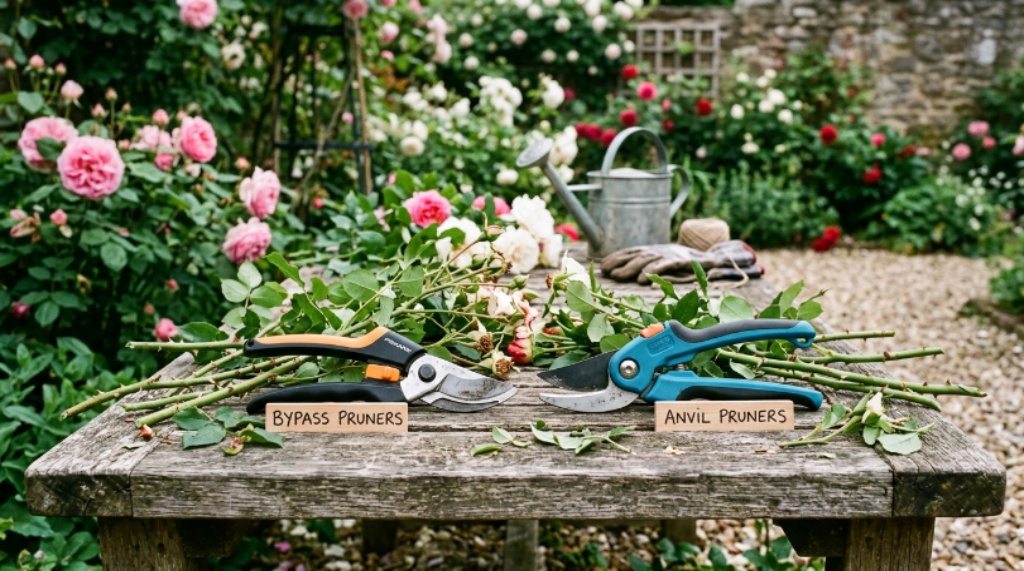
Every gardener reaches a point where they need a reliable pair of pruners. Whether you are shaping rose bushes, trimming fruit trees, or cutting back perennials, the right tool makes a real difference. However, walk into any garden centre and you will quickly find two very different designs staring back at you: bypass pruners and anvil pruners.
At first glance, they look similar. Both fit in one hand, both cut through stems and branches, and both come in a wide range of prices. The differences, however, go much deeper than appearance. Choosing the wrong type for your tasks can damage plants, strain your hand, and wear out your tool prematurely.
This guide breaks down everything you need to know. By the end, you will have a clear picture of which pruner belongs in your hand and why.
Understanding How Each Pruner Works
Before comparing performance, it helps to understand the basic mechanics behind each design. The two types function in fundamentally different ways, and that difference has a direct impact on the quality of every cut you make.
How Bypass Pruners Cut
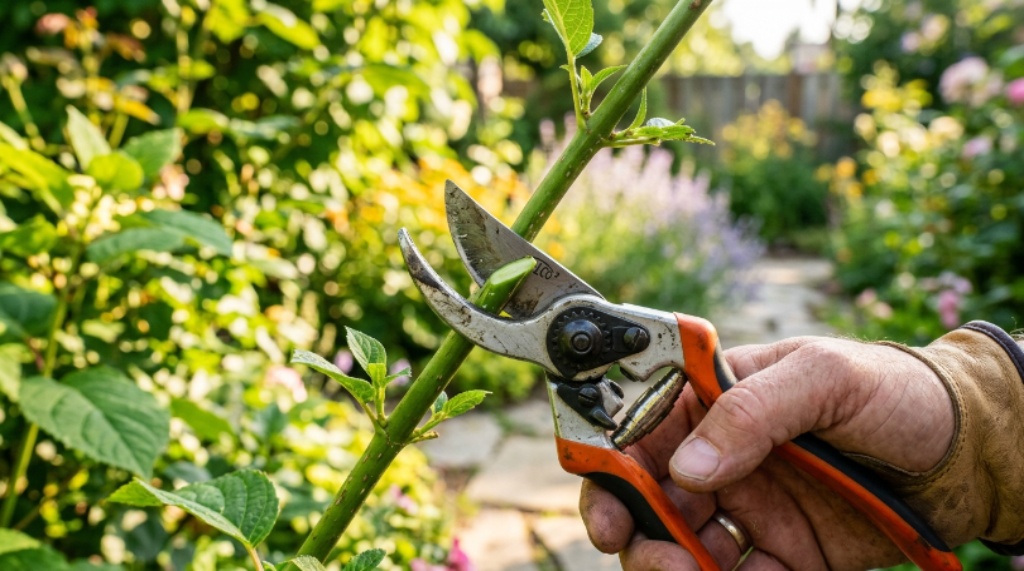
Bypass pruners work like a pair of scissors. Two curved blades pass each other as they close. One blade is sharp and does the cutting. The other is a thicker, unsharpened counter blade that supports the stem during the cut. The blades slide past each other cleanly, slicing through plant material with minimal crushing or tearing.
This scissor-like action is what gives bypass pruners their reputation for precision. The cut is clean, smooth, and close to the stem. For living plants, this is important because a clean cut heals faster and is less vulnerable to disease and infection.
How Anvil Pruners Cut
Anvil pruners work differently. A single sharp blade closes down onto a flat, soft metal surface called the anvil. The stem sits on the anvil, and the blade presses through it from above. The cutting action is more of a splitting and pressing motion than a slice.
This design requires less hand force to cut through thick or tough material. The anvil acts as a built-in support, distributing resistance across a wider area. Therefore, anvil pruners are often the preferred choice when strength matters more than surgical precision.
The Key Differences Between Bypass and Anvil Pruners
Now that the basic mechanics are clear, it is worth examining the specific ways these two designs differ in real garden use. This pruning tool comparison covers the areas that matter most to everyday gardeners.
Cut Quality and Plant Health
Bypass pruners produce a cleaner cut than anvil pruners. Because the blades slide past each other, they do not crush the stem tissue on either side. This is important for live plants. Crushed tissue dies back slowly and creates an entry point for bacteria, fungi, and insects.
Anvil pruners, by contrast, press down on the stem from one side. This can crush tissue on the lower side of the cut, especially when the blade becomes even slightly dull. For living plants, this is not ideal. However, for dead wood, dried stems, or coarse plant material, it makes very little difference. The plant is already dead, so cell damage is not a concern.
Therefore, if your pruning tasks involve healthy, growing plants, bypass pruners give your garden a better outcome. If you regularly cut through tough, woody, or dead material, anvil pruners are a practical and effective choice.
Handling Tough and Thick Branches
Anvil pruners have a clear mechanical advantage when it comes to raw cutting power. The design naturally amplifies the force from your hand, allowing you to cut through thicker branches with less effort. Many gardeners with arthritis or reduced hand strength find anvil pruners more manageable for this reason.
Bypass pruners can handle thick branches too, but they require more hand strength to do so cleanly. Forcing a bypass pruner through material that is too thick often causes the blades to twist slightly, which dulls the cutting edge faster and produces a rougher cut.
Additionally, some bypass pruners are now designed with gear mechanisms or ratchet systems that reduce the effort needed for each cut. These options bridge the gap between the two designs for gardeners who need precision but have limited grip strength.
Blade Sharpening and Maintenance
Bypass pruners require more careful maintenance. Because precision depends on both blades staying aligned and the cutting blade staying sharp, regular sharpening and occasional adjustment are necessary. A dull or misaligned bypass pruner produces torn cuts and can cause the blades to bind.
Anvil pruners are simpler in this regard. Only one blade needs sharpening, and alignment is less critical because the anvil is a fixed, flat surface. For gardeners who do not enjoy tool maintenance, this simplicity is a genuine advantage.
However, it is worth noting that the soft anvil pad does wear down over time and eventually needs replacing. On quality tools, replacement pads are usually available and inexpensive.
Left-Handed Use and Ergonomics
Most bypass pruners are designed for right-handed use. The blade orientation means that left-handed users often end up with an obscured view of the cut line, making precision more difficult. Left-handed bypass pruners do exist, but the selection is limited compared to standard models.
Anvil pruners are typically symmetrical. The blade presses straight down onto the anvil, so there is no left or right bias. This makes them a naturally more accessible option for left-handed gardeners.
Which Plants and Tasks Suit Each Pruner
Matching the right tool to the right task is one of the most important factors in garden health and tool longevity. Here is a straightforward breakdown of where each pruner excels.
Bypass pruners are the better choice for:
- Cutting green, living stems and branches
- Pruning roses, herbs, perennials, and soft-stemmed shrubs
- Deadheading flowers where a clean, close cut matters
- Shaping young trees and removing growth close to the main stem
- Any task where plant recovery and clean healing are priorities
Anvil pruners are the better choice for:
- Cutting through dead wood, dried stems, and coarse woody material
- Tackling tough branches where raw cutting power is needed
- Gardeners with arthritis, weak grip, or hand fatigue
- General clearing and cleanup tasks where cut quality is less critical
- Heavy-duty work where precision is secondary to efficiency
Many experienced gardeners keep both types on hand. They reach for bypass pruners when working with their prized plants and switch to anvil pruners for clearing overgrown areas or cutting back dead growth in winter.
How to Choose the Right Pruner for Your Garden
With the differences now clear, choosing between the two types of pruning shears comes down to a few honest questions about how and where you garden.
Consider What You Prune Most Often
If your garden is full of roses, fruit trees, delicate shrubs, and flowering perennials, bypass pruners should be your primary tool. The quality of cut you achieve with bypass blades directly supports the health of those plants.
If your garden involves a lot of rough clearing, cutting back old growth, removing dead hedging, or general structural work, anvil pruners are a practical and durable workhorse.
Think About Your Hand Strength
Hand strain is a real concern for many gardeners, particularly those who spend long hours pruning. If you notice fatigue or discomfort during extended sessions, anvil pruners require meaningfully less grip force. This can make the difference between finishing a job comfortably and stopping early due to pain.
Additionally, look for pruners with ergonomic handles, non-slip grips, and a spring mechanism that automatically opens the blades between cuts. These features reduce repetitive strain regardless of which design you choose.
Set a Realistic Budget
Quality pruners are available at a wide range of price points. As a general guide, spending between $25 and $60 on a single pair gets you a reliable tool with replaceable blades and decent durability. Very cheap pruners under $15 tend to lose their edge quickly and are difficult to sharpen effectively.
Premium pruners in the $80 to $150 range offer forged steel blades, superior edge retention, and ergonomic refinements that make a noticeable difference during long sessions. For serious gardeners who prune frequently, the investment is worthwhile.
Conclusion
Bypass and anvil pruners are both valuable tools. Neither is universally better than the other. The right choice depends on your garden, your plants, and the way your hands feel after an hour of work.
This pruning tool comparison shows that bypass pruners deliver cleaner cuts and better outcomes for living plants, making them the preferred choice for roses, fruit trees, and flowering shrubs. Anvil pruners offer greater mechanical advantage and simpler maintenance, making them ideal for dead wood, tough branches, and gardeners with limited hand strength.
Understanding the types of pruning shears available and how each one works removes the guesswork from your next purchase. In many cases, owning one of each gives you the most flexibility. Start with whichever matches your most common task, care for it well, and you will have a reliable garden companion for many seasons to come.
Frequently Asked Questions
Can bypass pruners cut dead wood?
Yes, they can, but they are not the ideal tool for it. Dead wood is often harder and more brittle than living stems. Forcing bypass pruners through tough dead material wears the blade faster and can cause the blades to twist slightly out of alignment. An anvil pruner handles dead wood more efficiently.
Are anvil pruners bad for live plants?
They are not ideal for healthy, living growth. The pressing action of an anvil blade can crush stem tissue on the lower side of the cut, which slows healing and increases vulnerability to infection. For live plants, bypass pruners produce better results. However, a sharp, well-maintained anvil pruner causes far less damage than a dull bypass pruner.
How often should I sharpen my pruners?
For regular home gardeners, sharpening once or twice per season is usually sufficient. If you notice the blades tearing rather than cutting cleanly, or if you need to apply noticeably more force than usual, it is time to sharpen. Bypass pruners need both edges checked, while anvil pruners only require the single blade.
What size pruner do I need?
Most standard hand pruners are designed to cut stems up to 25 mm in diameter. For branches thicker than this, loppers or a pruning saw are more appropriate. Forcing a hand pruner through oversized material damages both the tool and the plant.
How do I clean and store pruners properly?
After each use, wipe the blades clean with a dry cloth to remove sap and plant debris. A drop of light oil on the blades prevents rust and keeps the pivot mechanism moving smoothly. Store pruners in a dry location, ideally with the safety lock engaged to protect the blade edge and prevent accidents.