

Triple wide manufactured homes offer impressive square footage ranging from 2,400 to 3,600 square feet. These expansive homes provide ample space for comfortable living. However, poor design choices can make even large spaces feel cramped and cluttered.
Smart interior design maximizes the natural advantages of triple wide layouts. Strategic planning transforms generous floor plans into airy, functional living environments. This guide explores proven techniques for creating spacious interiors that enhance your manufactured home’s potential.
Understanding Triple Wide Floor Plan Advantages
Triple wide manufactured homes typically measure 42 to 48 feet wide. This width creates opportunities impossible in single or double wide configurations. Additionally, the construction process joins three sections seamlessly, eliminating the narrow hallway feel common in smaller manufactured homes.
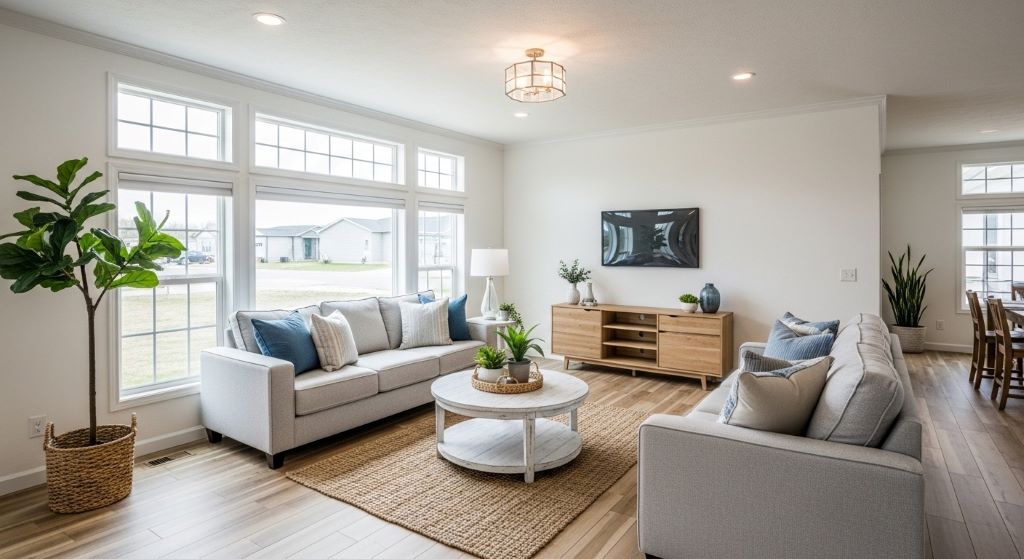
Open concept designs work exceptionally well in triple wide layouts. Great rooms combining kitchen, dining, and living areas capitalize on available width. Therefore, families enjoy togetherness while maintaining distinct functional zones.
Multiple bedroom suites fit comfortably within triple wide floor plans. Master suites can include walk-in closets, spa-like bathrooms, and sitting areas. Moreover, guest bedrooms accommodate visitors without sacrificing everyday living space.
High ceilings enhance the spacious feeling in modern triple wide homes. Many manufacturers offer nine-foot or vaulted ceiling options. These vertical dimensions prevent large rooms from feeling boxy or compressed.
Choosing Open Floor Plans for Maximum Flow
Open floor plans eliminate unnecessary walls between primary living spaces. This design approach creates visual continuity throughout the home. Consequently, rooms appear larger than their actual square footage.
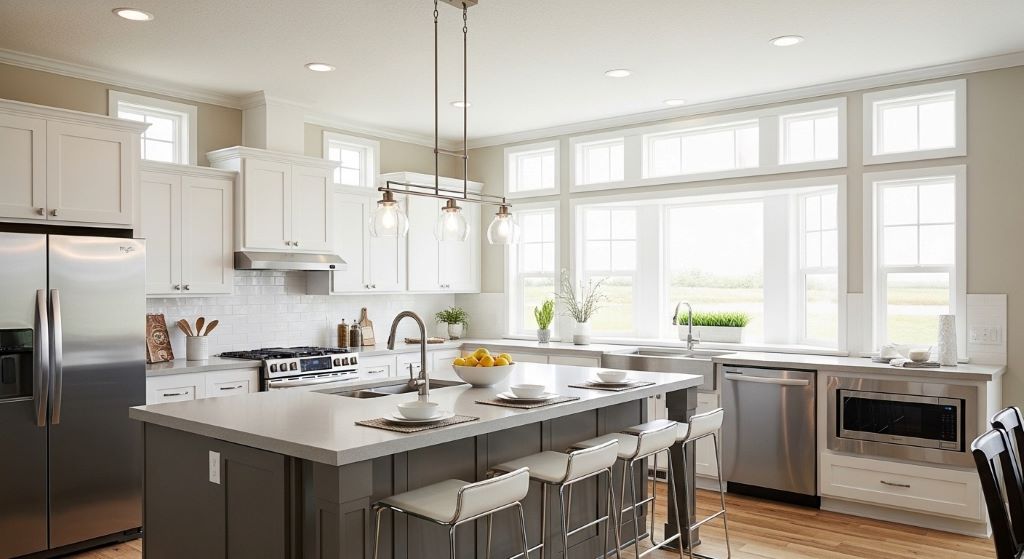
Position the kitchen centrally to connect with dining and living areas. Islands or peninsulas define boundaries without blocking sightlines. However, maintain clear pathways allowing easy movement between zones.
Use furniture placement rather than walls to delineate different areas. A sofa’s back can separate living and dining spaces naturally. Area rugs further define zones while maintaining open flow.
Consider traffic patterns when arranging open concept layouts. Create clear walkways at least 36 inches wide throughout main living areas. Additionally, avoid placing furniture where it interrupts natural movement paths.
Maximizing Natural Light Throughout Your Home
Natural light makes spaces feel significantly larger and more inviting. Triple wide homes accommodate abundant windows without compromising structural integrity. Therefore, prioritize window placement during the design phase.
Install large windows on multiple exterior walls to capture light from different angles. South-facing windows provide consistent illumination throughout the day. East and west windows offer morning and evening light respectively.
Skylights and solar tubes introduce natural light into interior spaces lacking exterior walls. These fixtures brighten hallways, bathrooms, and walk-in closets effectively. Moreover, they reduce daytime dependence on artificial lighting.
Choose window treatments that maximize light while providing privacy. Sheer curtains filter harsh sunlight without darkening rooms. Top-down bottom-up shades allow light entry while blocking street-level views.
According to CNBC, natural light is one of the most effective ways to make interior spaces feel larger and more open.
Selecting Light Color Palettes for Spaciousness
Light colors reflect rather than absorb light, creating airy atmospheres. White, cream, and pale gray walls maximize brightness in triple wide interiors. These neutral backgrounds also provide versatile canvases for decorating.
Maintain consistent color schemes throughout connected spaces for visual continuity. Dramatic color changes between rooms create visual breaks that fragment space. However, subtle variations in similar tones add interest without disrupting flow.
Use the 60-30-10 color rule for balanced interiors. Apply the dominant color to 60 percent of the space, typically walls. Secondary colors cover 30 percent through furniture and textiles. Accent colors comprise the remaining 10 percent in accessories.
Cool colors like blues and greens create receding effects making walls appear farther away. Warm colors like reds and oranges advance visually, making spaces feel cozier. Therefore, cool palettes generally enhance spaciousness more effectively.
Incorporating Strategic Lighting Design
Layered lighting creates depth and dimension in large spaces. Combine ambient, task, and accent lighting for functional and atmospheric results. Additionally, multiple light sources prevent harsh shadows that make rooms feel smaller.
Install recessed lighting throughout main living areas for even ambient illumination. Space fixtures approximately four to six feet apart in grid patterns. However, avoid over-lighting which creates sterile, uncomfortable environments.
Add pendant lights over islands, dining tables, and reading nooks for focused task lighting. These fixtures also serve as decorative elements adding visual interest. Moreover, adjustable pendants allow customization for different activities.
Use wall sconces and picture lights to highlight architectural features and artwork. Accent lighting draws attention upward, emphasizing ceiling height. Therefore, vertical lighting placement enhances spacious feelings.
Dimmer switches provide flexibility for different times and moods. Bright lighting makes spaces feel larger during daytime activities. Softer evening lighting creates intimacy without sacrificing perceived spaciousness.
Choosing Appropriately Scaled Furniture
Oversized furniture overwhelms even spacious rooms, creating cluttered appearances. Select pieces proportional to room dimensions for balanced aesthetics. However, furniture that’s too small appears lost in large triple wide spaces.
Measure rooms carefully before furniture shopping to ensure proper fit. Allow at least 30 inches of clearance around major pieces for comfortable movement. Additionally, maintain 14 to 18 inches between coffee tables and seating.
Low-profile furniture emphasizes ceiling height by maintaining clear vertical space. Sofas with exposed legs create visual lightness compared to skirted alternatives. Therefore, modern and mid-century styles often work well in open layouts.
Avoid blocking windows with tall furniture like bookcases or armoires. Keep window walls clear or use low storage solutions. This preserves natural light and maintains connection with outdoor views.
Multi-functional furniture maximizes space efficiency in triple wide homes. Storage ottomans, sleeper sofas, and extendable dining tables serve multiple purposes. Moreover, these pieces reduce overall furniture quantity needed.
Creating Visual Continuity with Flooring Choices
Consistent flooring throughout open spaces creates seamless visual flow. Single flooring materials eliminate breaks that fragment large areas. Consequently, rooms appear unified and more expansive.
Luxury vinyl plank flooring offers durability and manufactured home compatibility. Wide planks create fewer visual interruptions than narrow boards. Additionally, lighter wood tones enhance brightness and spaciousness.
Laminate flooring provides budget-friendly alternatives mimicking hardwood appearances. Modern laminates resist moisture better than traditional options. However, choose quality products with realistic textures and patterns.
Large-format tiles work beautifully in bathrooms and laundry rooms. Fewer grout lines create cleaner, more expansive looks. Moreover, rectified tiles allow tighter spacing for nearly seamless appearances.
Area rugs define zones within open floor plans without permanent divisions. Choose rugs large enough to anchor furniture groupings comfortably. Therefore, living room rugs should extend under front sofa and chair legs.
Utilizing Mirrors to Enhance Space Perception
Mirrors reflect light and views, effectively doubling perceived space. Position mirrors opposite windows to bounce natural light throughout rooms. This simple technique dramatically brightens darker areas.
Large wall mirrors create focal points while expanding visual boundaries. Floor-to-ceiling mirrors in hallways make narrow passages feel wider. However, avoid placing mirrors where they reflect cluttered areas.
Mirrored furniture adds glamour while maintaining spacious feelings. Mirrored console tables, dressers, and nightstands reflect surroundings subtly. Additionally, mirrored backsplashes in kitchens enhance light and depth.
Consider mirror placement carefully to avoid unwanted reflections. Mirrors reflecting televisions or busy areas can feel chaotic. Therefore, plan mirror positions to reflect pleasant views or architectural features.
According to Real Simple, strategically placed mirrors can make rooms feel up to twice their actual size.
Implementing Smart Storage Solutions
Adequate storage prevents clutter that makes spaces feel cramped. Built-in storage maximizes every square foot without consuming floor space. Therefore, plan storage during initial design phases for best results.
Floor-to-ceiling cabinetry in kitchens and bathrooms utilizes vertical space efficiently. Upper cabinets draw eyes upward, emphasizing ceiling height. Moreover, closed storage conceals everyday items maintaining clean aesthetics.
Walk-in closets in bedrooms eliminate need for bulky dressers. Custom closet systems maximize storage within available footprint. Additionally, well-organized closets reduce bedroom furniture requirements.
Window seats with built-in storage combine seating and organization beautifully. These features work especially well in bedrooms and living areas. However, ensure adequate cushioning for comfortable use.
Utilize under-stair spaces for clever storage solutions. Built-in shelving, drawers, or closets transform wasted space into functional areas. Moreover, these solutions maintain clean lines without protruding into living spaces.
Emphasizing Vertical Space with Design Elements
Tall bookcases and shelving units draw attention upward, emphasizing ceiling height. Vertical storage provides functionality while enhancing spacious feelings. Additionally, staggered shelf heights create visual interest.
Hang curtains from ceiling to floor rather than just above windows. This technique creates vertical lines elongating wall appearance. Moreover, floor-length curtains add elegance and sophistication.
Vertical striped wallpaper or paint treatments make ceilings appear higher. Subtle patterns work better than bold stripes in large spaces. However, limit vertical patterns to accent walls preventing overwhelming effects.
Display tall plants or floor lamps to emphasize vertical dimensions. These elements fill empty corners while drawing eyes upward. Therefore, vertical accessories contribute to spacious atmospheres.
Install crown molding to define ceiling boundaries and add architectural interest. Painted ceilings slightly lighter than walls enhance height perception. Additionally, tray ceilings in master bedrooms add luxury and dimension.
Maintaining Minimal Clutter for Open Atmospheres
Clutter destroys spacious feelings regardless of actual square footage. Implement daily tidying routines to maintain clean surfaces. Therefore, designated homes for every item prevent accumulation.
Adopt minimalist decorating principles focusing on quality over quantity. Display fewer, more meaningful accessories rather than crowded collections. However, avoid sterile environments lacking personality and warmth.
Use decorative baskets and boxes for attractive corralling of everyday items. These containers maintain organization while complementing design aesthetics. Moreover, easily accessible storage encourages consistent use.
Implement one-in-one-out rules when acquiring new possessions. This prevents accumulation over time in large homes. Additionally, regular decluttering sessions maintain spacious environments.
Digital organization reduces paper clutter significantly. Scan important documents and recycle originals when possible. Therefore, home offices remain functional without overwhelming file storage.
Connecting Indoor and Outdoor Spaces
Large windows and glass doors blur boundaries between interior and exterior spaces. This connection makes indoor areas feel more expansive. Additionally, outdoor views become living artwork.
French doors or sliding glass systems open living areas to patios and decks. Consistent flooring materials flowing from inside to outside enhance continuity. Therefore, outdoor spaces function as seasonal room extensions.
Position furniture to take advantage of outdoor views. Arrange seating facing windows rather than walls when possible. Moreover, maintain clear sightlines to landscape features and gardens.
Use similar color palettes indoors and outdoors for visual harmony. Outdoor cushions and umbrellas coordinating with interior textiles create cohesive designs. However, ensure outdoor fabrics withstand weather exposure.
Conclusion
Designing spacious interiors in triple wide manufactured homes maximizes natural advantages through strategic planning. Open floor plans, abundant natural light, and light color palettes create airy foundations. Additionally, appropriately scaled furniture, smart storage solutions, and minimal clutter maintain spacious atmospheres. Therefore, implementing these design principles transforms generous square footage into truly exceptional living environments. The combination of thoughtful layout decisions and decorating choices ensures triple wide homes feel as expansive as their impressive dimensions suggest. Careful attention to detail throughout the design process creates comfortable, beautiful spaces families enjoy for years.
Frequently Asked Questions
What is the average square footage of a triple wide manufactured home?
Triple wide manufactured homes typically range from 2,400 to 3,600 square feet depending on the model and customization. This substantial space accommodates four to five bedrooms, multiple bathrooms, and generous common areas while feeling spacious rather than cramped.
Are open floor plans better for triple wide homes than traditional layouts?
Open floor plans generally work better in triple wide homes because they maximize natural light flow and create visual continuity. However, some families prefer traditional layouts with defined rooms for privacy and noise control, especially with children or multi-generational living.
How can I make my triple wide home feel even more spacious?
Maximize spaciousness through light colors, abundant natural lighting, mirrors, consistent flooring, minimal clutter, and appropriately scaled furniture. Additionally, emphasizing vertical space with tall bookcases and floor-to-ceiling curtains enhances perceived height and openness.
What furniture size works best in triple wide manufactured homes?
Choose furniture proportional to your specific room dimensions rather than following generic size recommendations. Measure carefully allowing 30 inches clearance around major pieces. Low-profile furniture with exposed legs generally creates more spacious feelings than oversized, bulky alternatives.
Can I customize the floor plan when ordering a triple wide manufactured home?
Yes, most manufacturers offer significant customization options for triple wide floor plans. You can often modify room sizes, add or remove walls, change window placements, and select ceiling heights. However, structural requirements may limit certain modifications depending on the manufacturer.
Related Toopics:
Boho Style In The Interior Of The Apartment
How to hide TV aerial wires behind different types of walls