



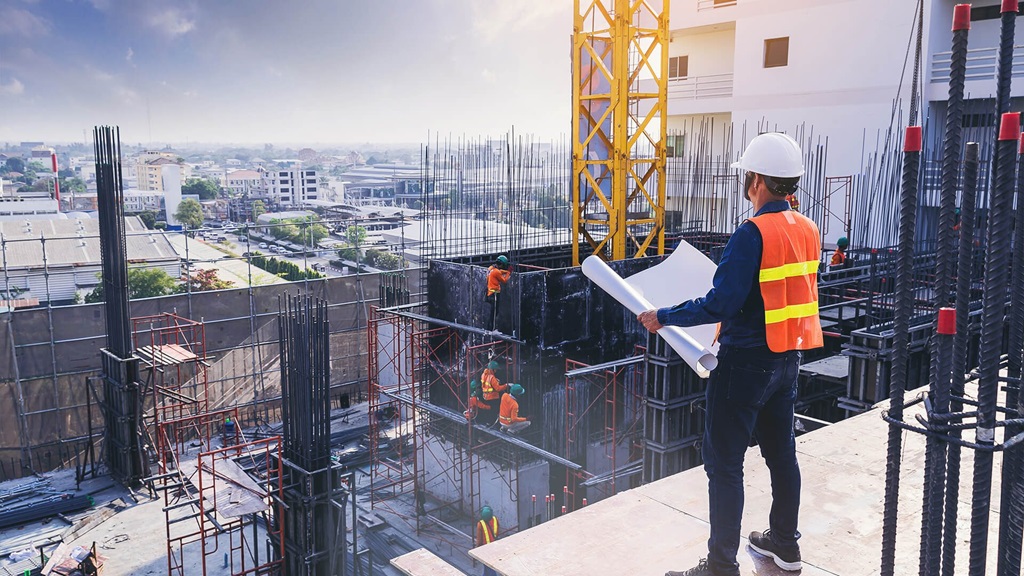
The construction industry is a dynamic and complex landscape where risks and challenges are an inevitable part of the journey. From unforeseen site conditions to fluctuating material costs and regulatory changes, construction projects are susceptible to a myriad of disruptions. Effectively managing these risks and challenges is crucial for ensuring project success, timely completion, and stakeholder satisfaction. This comprehensive guide will delve into the strategies and best practices for identifying, assessing, and mitigating risks in construction projects.
1. Proactive Risk Identification:
The first step in risk management is identifying potential risks before they escalate into major problems. This involves conducting thorough risk assessments at the outset of the project and throughout its lifecycle. Engaging project stakeholders, including the owner, architect, engineer, contractor, and subcontractors, in brainstorming sessions can help uncover a wide range of risks, from design flaws and construction errors to labor shortages and natural disasters. Categorizing risks by their likelihood and potential impact allows for prioritization and resource allocation.
2. Robust Risk Assessment:
Once risks have been identified, a systematic risk assessment is essential for understanding their potential consequences and developing effective mitigation strategies. This involves analyzing the likelihood of each risk occurring and its potential impact on project objectives, such as cost, schedule, quality, and safety. Quantitative and qualitative risk assessment tools can be employed to assign numerical values or descriptive ratings to risks, enabling informed decision-making.
3. Comprehensive Risk Mitigation:
Developing a comprehensive risk mitigation plan is crucial for minimizing the impact of identified risks. This plan should outline specific actions to be taken to prevent or reduce the likelihood of risks occurring, as well as contingency plans for managing risks if they do materialize. For example, risk mitigation strategies for labor shortages may include workforce training programs, flexible scheduling, or subcontracting options.
4. Effective Communication and Collaboration:
Open and transparent communication among all project stakeholders is essential for effective risk management. Regular project meetings, progress reports, and risk updates should be conducted to ensure everyone is informed of potential risks and the actions being taken to mitigate them. Collaboration and knowledge-sharing between project teams can foster a proactive risk management culture.
5. Adaptive Risk Management:
Construction projects are inherently dynamic, and new risks can emerge as the project progresses. Therefore, an adaptive risk management approach is crucial. This involves regularly reviewing and updating the risk management plan based on changing conditions, lessons learned, and emerging trends. Continuous monitoring of project performance against risk indicators can provide early warnings of potential problems.
Related: What to Think About Before Adding a Loft Conversion to your Home
6. Utilization of Technology:
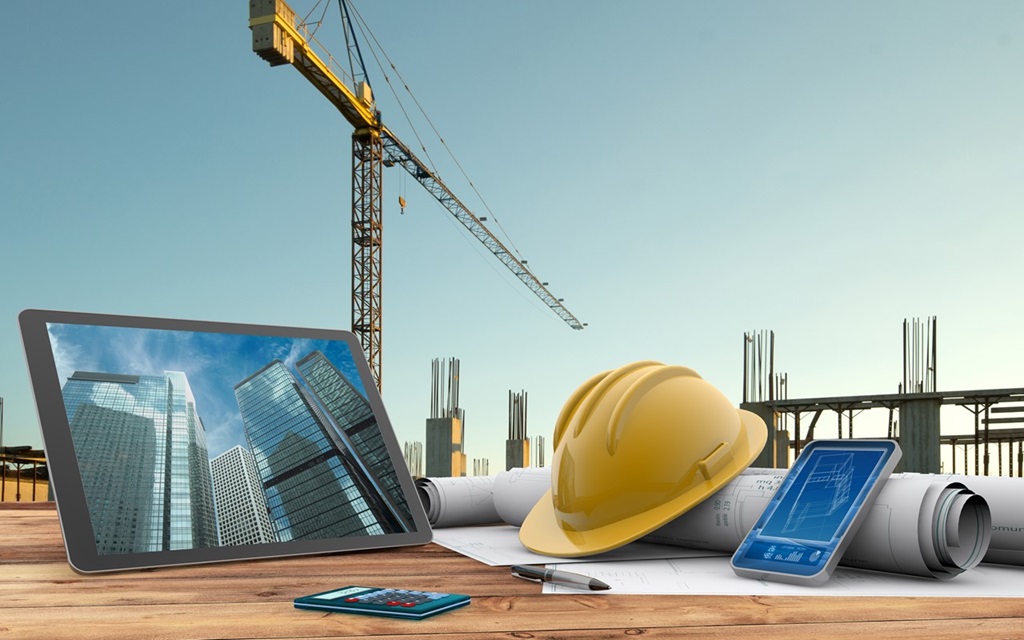
Technology plays an increasingly important role in risk management. Building Information Modeling (BIM) can be used to simulate construction processes, identify potential clashes and conflicts, and optimize resource allocation. Data analytics and artificial intelligence can analyze vast amounts of project data to identify patterns and trends that may indicate potential risks.
7. Financial Risk Management:
Financial risks, such as cost overruns, payment delays, and fluctuations in material prices, can significantly impact construction projects. Developing a detailed project budget, securing adequate financing, and implementing cost control measures are essential for managing financial risks. Contingency funds should be allocated to cover unforeseen expenses.
8. Legal and Regulatory Compliance:
Construction projects are subject to a complex web of legal and regulatory requirements. Failure to comply with these regulations can result in delays, fines, and legal disputes. Engaging legal counsel and ensuring that all project activities adhere to applicable laws and regulations is crucial for mitigating legal risks.
9. Environmental and Social Responsibility:
Construction projects can have significant environmental and social impacts. Implementing sustainable construction practices, such as using environmentally friendly materials, reducing waste, and minimizing energy consumption, can help mitigate environmental risks and enhance the project’s reputation. Engaging with local communities and addressing their concerns can mitigate social risks.
10. Continuous Improvement:
Lessons learned from past projects should be incorporated into future risk management efforts. Conducting post-project reviews and capturing feedback from project teams can help identify areas for improvement in risk management processes and strategies.
In conclusion, effective risk management is an ongoing process that requires proactive planning, continuous monitoring, and adaptive strategies. By embracing a comprehensive and collaborative approach to risk management, construction projects can navigate the unpredictable landscape of challenges and achieve successful outcomes.