



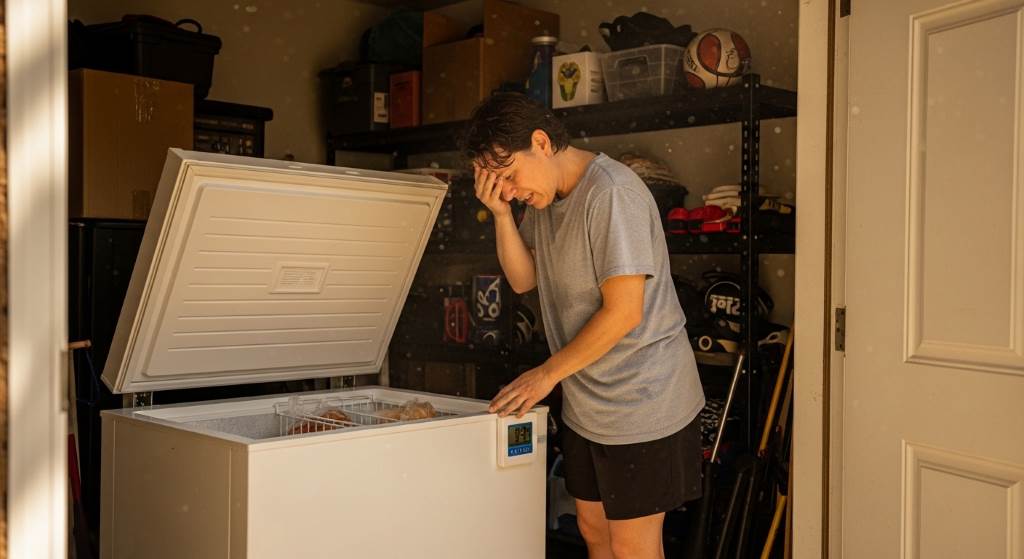
A garage freezer offers extra food storage and helps families save money on bulk purchases. However, many homeowners in Dallas notice their freezer suddenly shuts off without warning. In fact, appliance service reports show temperature-related freezer problems increase during extreme weather months. Many people also search for reasons why a freezer compressor turns off after a few seconds because this issue often signals a deeper operating problem. Understanding the causes can help prevent food spoilage, reduce repair costs, and extend appliance life in Dallas homes.
Why Garage Freezers Face More Problems in Dallas
Dallas experiences intense summer heat and noticeable seasonal temperature swings. Garage spaces rarely receive the same climate control as indoor living areas. As a result, appliances work harder throughout much of the year. These changing conditions often create performance issues that homeowners do not expect.
Many garage freezers operate within specific temperature ranges recommended by manufacturers. When garage temperatures move outside those limits, sensors and compressors may react unpredictably. Consequently, the freezer may cycle off too early or stop running altogether. This problem becomes more common during extended heat waves.
Unlike kitchen appliances, garage freezers often sit near walls with direct sun exposure. Heat accumulates quickly around the appliance during summer afternoons. Therefore, internal components experience additional stress. Over time, repeated exposure can trigger shutdowns and shorten equipment lifespan.
Extreme Dallas Heat Can Trigger Automatic Shutdowns
Dallas summers frequently exceed 100°F, placing significant strain on freezer systems. The compressor must run longer to maintain safe food temperatures. Eventually, overheating protection mechanisms may activate. When that happens, the freezer temporarily shuts down to prevent component damage.
Most modern freezers include thermal overload protection devices. These safety systems protect expensive compressor parts from excessive heat. Therefore, the appliance may appear broken when it is actually protecting itself. Once temperatures decrease, normal operation may resume.
Homeowners often overlook the impact of poor garage ventilation. Hot air becomes trapped around the appliance and limits cooling efficiency. Consequently, internal temperatures rise faster than expected. Better airflow can significantly improve freezer performance during summer months.
Dirty Condenser Coils Reduce Cooling Efficiency
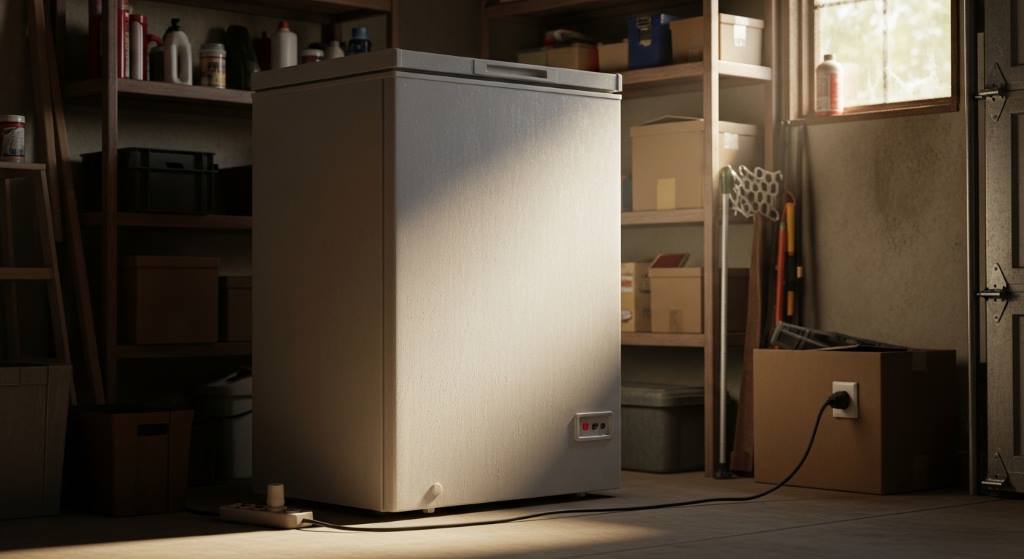
Dust accumulation remains one of the most common freezer issues in garages. Dirt collects on condenser coils and blocks heat transfer. As a result, the compressor works harder and consumes more energy. Eventually, excessive strain can lead to shutdowns.
Garage environments typically contain more dust than indoor spaces. Vehicle traffic, lawn equipment, and storage boxes contribute to airborne debris. Therefore, freezer coils require more frequent cleaning. Regular maintenance helps prevent overheating and improves energy efficiency.
While homeowners often focus on freezer interiors, external cleaning matters equally. Similar maintenance principles apply when performing Frigidaire ice maker cleaning tasks because cleanliness directly affects appliance performance. Keeping components free from buildup supports reliable operation year-round.
Insufficient Air Clearance Around the Freezer
Many garages double as storage areas for tools, boxes, and seasonal items. Unfortunately, these objects often block ventilation around the freezer. Restricted airflow prevents efficient heat removal. Consequently, operating temperatures rise quickly.
Manufacturers recommend several inches of clearance on all sides. This space allows warm air to escape properly. Without adequate room, cooling systems struggle to function efficiently. Eventually, protective shutdown cycles may occur.
Homeowners sometimes install decorative storage layouts without considering appliance airflow needs. Proper planning remains important when exploring refrigerator cabinet surround ideas because enclosed spaces can negatively affect appliance performance. Ventilation should always remain a top priority.
Faulty Thermostats and Temperature Sensors
Thermostats help regulate freezer operation by monitoring internal temperatures. When these components fail, inaccurate readings can occur. As a result, the freezer may shut off before reaching the proper temperature. Food safety can become a serious concern.
Electronic sensors face additional challenges inside hot garages. Extreme temperature fluctuations can affect calibration over time. Therefore, control systems may receive incorrect information. This confusion often causes inconsistent cooling cycles.
Signs of thermostat problems include temperature swings and frequent cycling. Homeowners may also notice partially thawed food. Addressing these symptoms early helps avoid larger repair expenses. Professional testing can confirm whether replacement is necessary.
Electrical Problems That Cause Unexpected Shutdowns
Garage electrical systems sometimes support multiple high-demand devices. Power tools, refrigerators, freezers, and chargers may share the same circuit. Consequently, overloaded circuits can trip breakers unexpectedly. The freezer then loses power completely.
Loose outlets and damaged power cords also create intermittent operation issues. Small electrical interruptions may stop compressor cycles. Therefore, homeowners should inspect visible wiring regularly. Safety should remain the highest priority during any inspection.
Voltage fluctuations occasionally occur during periods of heavy neighborhood energy use. Summer cooling demands place extra stress on local electrical infrastructure. As a result, sensitive appliance components may experience operational disruptions. Surge protection can provide valuable protection.
A Unique Dallas Problem: Hot Garage Floors
One often overlooked issue involves heat transfer from concrete garage floors. During long summer days, concrete absorbs and stores significant thermal energy. Even after sunset, the surface continues releasing heat. This hidden heat source affects freezer performance more than many homeowners realize.
Freezers placed directly on hot concrete may experience elevated operating temperatures. The lower portion of the appliance absorbs additional heat throughout the day. Consequently, compressors must work harder to maintain cooling levels. This extra strain increases shutdown risks.
Using a sturdy insulated platform can reduce floor-related heat transfer. Many appliance technicians recommend raising freezers slightly above the concrete surface. Therefore, airflow improves underneath the unit. This simple adjustment may enhance long-term reliability.
Compressor Problems and Wear
The compressor serves as the heart of every freezer cooling system. Continuous operation during Dallas summers accelerates wear on internal components. Eventually, aging compressors may struggle to start or remain running. Frequent shutdowns often follow.
Several warning signs indicate compressor trouble:
- Clicking noises during startup
- Repeated short cycling
- Excessive exterior heat
- Reduced cooling performance
- Unusual humming sounds
Early diagnosis helps prevent complete system failure. Professional technicians can measure compressor performance accurately. Therefore, homeowners should not ignore recurring symptoms. Quick action often reduces repair costs.
Garage Freezer Placement Mistakes
Location plays a major role in appliance performance. Freezers placed near garage doors experience sudden temperature changes throughout the day. Additionally, direct sunlight increases heat exposure. These conditions create unnecessary operating challenges.
Choosing a shaded location improves efficiency and reduces strain. Interior garage walls usually provide better environmental stability. Therefore, strategic placement helps maintain consistent performance. Small adjustments can produce noticeable results.
Homeowners planning larger upgrades should also consider appliance placement during renovations. Many modern kitchen remodeling ideas emphasize efficient appliance layouts and ventilation. Similar principles can improve garage freezer setups as well.
Practical Steps to Prevent Freezer Shutdowns
Preventive maintenance remains the most effective way to avoid freezer problems. Simple routine inspections help identify issues before major failures occur. Furthermore, regular care improves energy efficiency. Homeowners can often prevent expensive repairs with minimal effort.
Follow these maintenance recommendations:
- Clean condenser coils every three to six months
- Maintain adequate ventilation around the unit
- Check door seals regularly
- Inspect electrical connections for damage
- Monitor garage temperatures during summer
- Avoid overloading the freezer
- Keep the appliance level and stable
Temperature monitoring devices offer additional protection. Many affordable models provide real-time alerts when conditions become unsafe. Consequently, homeowners can respond before food spoilage occurs. This investment often pays for itself quickly.
When to Call a Professional Technician
Some freezer issues require expert diagnosis and repair. Persistent shutdowns, compressor failures, and electrical concerns should not be ignored. Professional technicians possess specialized tools for accurate testing. Therefore, they can identify root causes more efficiently.
If food repeatedly thaws or temperatures fluctuate dramatically, immediate service may be necessary. Delaying repairs often leads to more extensive damage. Additionally, prolonged operation under stress increases energy costs. Timely intervention protects both the appliance and stored food.
Homeowners should also seek professional help after severe storms or power surges. Electrical damage may not be visible initially. However, hidden issues can create ongoing reliability problems. Expert evaluation provides peace of mind.
Conclusion
A garage freezer can keep turning off in Dallas homes for many reasons, including extreme heat, dirty coils, poor ventilation, electrical issues, and compressor wear. The city’s challenging climate places extra stress on appliances throughout the year. Fortunately, regular maintenance and proper placement can prevent many common problems. By addressing warning signs early, homeowners can extend freezer life and avoid costly food loss. If shutdowns continue despite preventive measures, contact a qualified appliance technician for a thorough inspection and reliable repair solution.
FAQs
Why does my garage freezer shut off during hot weather?
Extreme heat can overwork the compressor and trigger built-in thermal protection systems.
Can dirty condenser coils cause a freezer to turn off?
Yes, dirty coils reduce heat transfer and can lead to overheating and shutdowns.
Is it safe to keep a freezer in a Dallas garage?
Yes, provided the freezer has proper ventilation and operates within recommended temperature ranges.
How often should I clean my freezer coils?
Most homeowners should clean freezer coils every three to six months.
When should I call a freezer repair technician?
Call a technician if the freezer repeatedly shuts down, fails to cool properly, or shows electrical issues.