
Cleaning your home should not feel like a full-time job. Yet many people spend far more time vacuuming than they need to. The good news is that 2026 has brought a new generation of vacuums built to do more in less time. Whether you live in a large house or a small apartment, choosing the right vacuum can transform your cleaning routine. This guide will help you find a machine that fits your space, your lifestyle, and your budget.
Why Your Old Vacuum Might Be Slowing You Down
Many households hold on to their vacuums for years. It feels like a waste to replace something that still turns on. However, an older machine often works against you. It may lose suction over time, require frequent emptying, or struggle with pet hair and fine dust.
A vacuum from five or more years ago was built with older motor technology. It uses more energy and delivers weaker results. Therefore, upgrading is not just about convenience. It is about getting the job done properly the first time.
Additionally, older models tend to be heavier. Carrying a bulky machine up and down stairs adds time and effort to every cleaning session. Modern designs have addressed this problem directly.
Key Features to Look for in 2026
Not all vacuums are equal. Knowing what to look for will help you avoid buying a machine that disappoints.
Suction Power That Actually Works
The most important feature in any vacuum is its ability to lift dirt from surfaces. A high suction vacuum pulls debris from deep within carpet fibers and removes fine particles from hard floors without scattering them. When shopping, look for models with sealed suction systems. These maintain strong airflow even as the dustbin fills.
Avoid being misled by wattage alone. Wattage measures power consumption, not cleaning performance. Instead, look for air watts or Pa (Pascal) ratings, which give a more accurate picture of actual suction strength.
Filtration That Protects Your Air
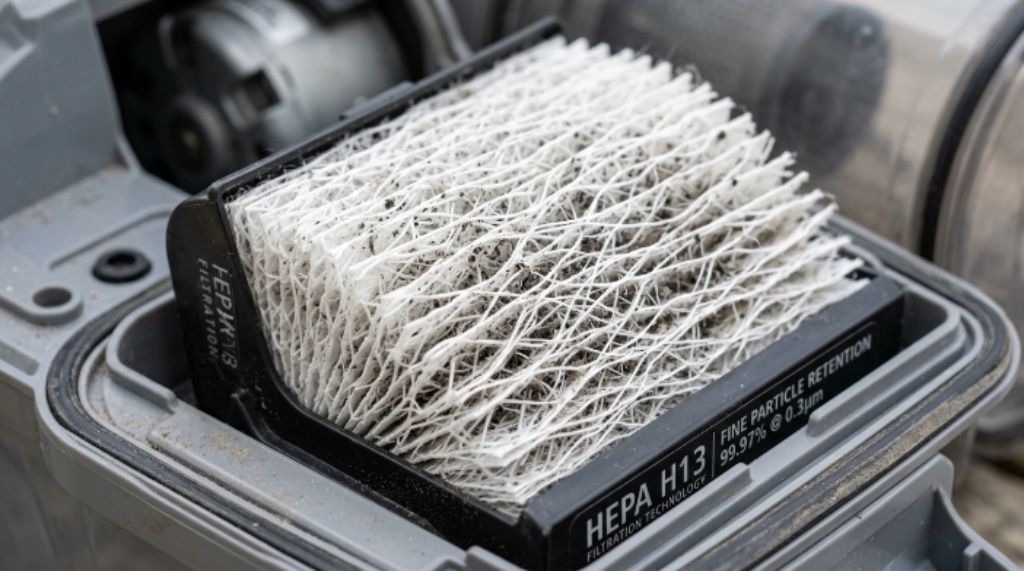
A vacuum that picks up dirt but releases it back into the air is not helping you. Look for HEPA filtration, which traps 99.97% of particles as small as 0.3 microns. This matters especially if you have allergies, asthma, or pets in the home.
Many budget vacuums skip proper filtration. However, spending a little more on a model with sealed HEPA filters pays off in better air quality and fewer allergy symptoms.
Battery Life and Cord-Free Convenience
Cordless vacuums have become remarkably capable. In 2026, many top models offer 60 to 90 minutes of run time on a single charge. That is enough to clean an entire home without stopping. Therefore, going cordless no longer means sacrificing performance.
If you have a larger home, look for models with swappable batteries. You can keep a second battery charged so cleaning never has to pause.
Weight and Maneuverability
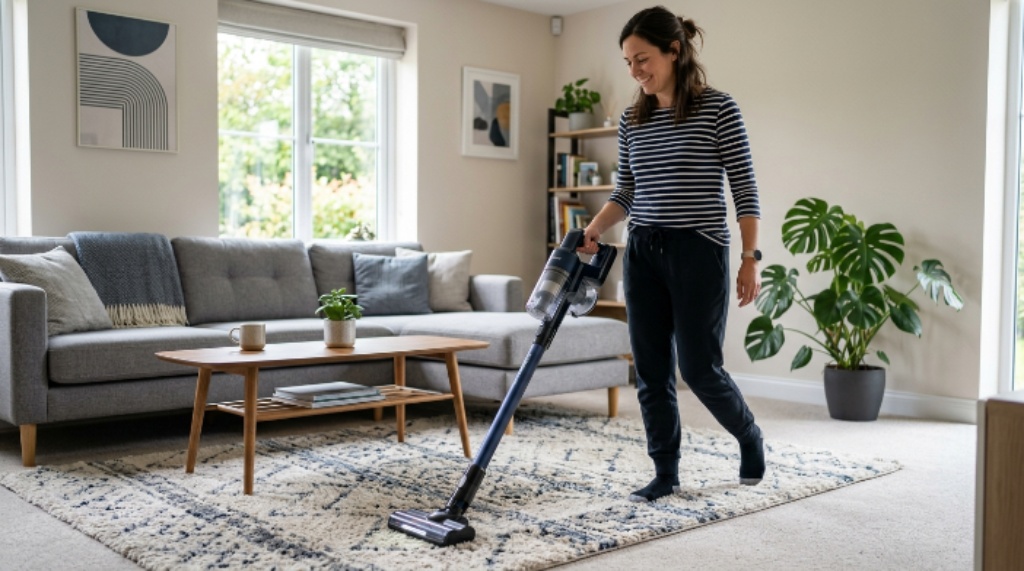
A lighter vacuum covers more ground with less effort. Most stick vacuums now weigh between 1.5 and 3 kilograms. This makes them easy to carry, reach under furniture, and switch between surfaces. Additionally, swivel heads and flexible joints allow you to clean corners and tight spaces without awkward repositioning.
Understanding Modern Vacuum Technology
Modern vacuum tech has moved well beyond simple motors and filters. Today’s machines use smart sensors, self-cleaning brush rolls, and even artificial intelligence to improve cleaning efficiency.
Self-Cleaning Brush Rolls
Hair tangling around the brush roll has long been a frustrating problem. Many 2026 models now feature brush rolls designed to cut and release hair automatically. This saves you the time and mess of manually removing tangles.
Smart Sensors and Auto Mode
Some vacuums now detect floor type automatically and adjust suction accordingly. When you move from carpet to tile, the machine senses the change and modifies its power output. This protects battery life on hard floors while delivering full power on rugs and carpets.
App Connectivity
Higher-end models connect to smartphone apps that track cleaning history, filter life, and maintenance schedules. While this may sound unnecessary, it can genuinely help you stay on top of upkeep and avoid performance drops caused by clogged filters or full dustbins.
Choosing the Right Type of Vacuum for Your Home
There is no single best vacuum for everyone. Your living space and lifestyle should guide your choice.
Stick Vacuums
Stick vacuums are lightweight, versatile, and easy to store. They work well for everyday cleaning in apartments and medium-sized homes. Most convert into handheld units for quick spot cleaning on furniture or in cars. They are the most popular choice in 2026 for good reason.
Robot Vacuums
Robot vacuums handle daily maintenance on their own. You set a schedule, and the machine does the rest. They are not a replacement for deep cleaning, but they keep floors tidy between sessions. Many now include mopping functions and advanced obstacle avoidance.
Canister Vacuums
Canister models remain a strong choice for thorough cleaning. They offer powerful motors and are especially effective on stairs and upholstery. However, they are bulkier and take more time to set up and store.
Upright Vacuums
Upright vacuums are ideal for large carpeted areas. They cover wide paths in each pass and typically offer strong suction for deep carpet cleaning. They can be heavier, but many newer designs have reduced weight significantly.
Tips for Getting the Most Out of Your Vacuum
Buying a good vacuum is only part of the solution. How you use and maintain it matters just as much.
- Empty the dustbin or replace the bag before it becomes completely full. A full bin reduces suction noticeably.
- Clean or replace filters on the schedule recommended by the manufacturer.
- Check the brush roll regularly for hair and debris, even on self-cleaning models.
- Vacuum high-traffic areas more often to prevent dirt from being ground into fibers.
- Use the correct attachment for each surface to protect floors and improve results.
Budget vs. Premium: What Is Worth the Extra Cost?
You do not need to spend a fortune to get a good vacuum. However, spending too little often leads to frustration and an early replacement.
In the mid-range, you can find solid performers with good filtration and decent battery life. These are suitable for most households with regular cleaning needs.
Premium models justify their price with better motors, longer warranties, smarter features, and superior build quality. If you have pets, allergies, or a large home, the investment tends to pay off over time.
Therefore, set a realistic budget based on your specific needs. A single person in a small flat has different requirements than a family of five with two dogs.
Conclusion
Finding the right vacuum in 2026 is easier than ever, but the number of options can feel overwhelming. The key is to focus on what truly matters for your situation. Look for strong, consistent suction, reliable filtration, comfortable weight, and a design suited to your home layout. Consider whether a cordless stick vacuum or a robot vacuum fits your routine best. Pay attention to cleaning efficiency by checking real-world reviews rather than relying only on manufacturer claims. Modern vacuum tech has made it possible to clean more thoroughly in less time. With the right machine, vacuuming becomes a quick task rather than a dreaded chore.
Frequently Asked Questions
What suction power should I look for in a vacuum cleaner?
Look for vacuums rated in air watts or Pascals rather than simple wattage. A high suction vacuum for home use typically performs well at 100 air watts or above, or 20,000 Pa for cordless models. Always check independent test results alongside manufacturer specs.
Are cordless vacuums as powerful as corded ones?
In 2026, many cordless vacuums match or closely approach corded performance for everyday cleaning tasks. For very deep carpet cleaning or large commercial spaces, corded models may still have an edge. However, for most homes, a quality cordless vacuum is more than sufficient.
How often should I replace vacuum filters?
Most manufacturers recommend cleaning washable filters every month and replacing non-washable filters every six to twelve months. However, homes with pets or heavy dust may need more frequent changes. Check your model’s manual for specific guidance.
Is a robot vacuum worth buying in 2026?
Yes, for maintaining clean floors between deeper cleaning sessions. Robot vacuums are excellent at daily upkeep and save considerable time over the course of a week. They work best alongside a standard vacuum for thorough cleaning.
What is the difference between a HEPA filter and a standard filter?
A true HEPA filter captures 99.97% of particles down to 0.3 microns, including allergens, dust mites, and fine particulates. Standard filters capture larger debris but allow smaller particles to pass through and re-enter the air. For allergy sufferers or homes with pets, HEPA filtration is strongly recommended.
Related Topics:
How to Choose an Upright Vacuum for Maximum Carpet Cleaning Power
How to Clean Silver Cutlery with Tin Foil: A Complete Guide