

What should you do immediately after a home robbery?
The most important thing to do immediately after a home robbery is ensure everyone is safe, contact the police, avoid touching anything, document the damage, and notify your insurance provider as soon as possible.
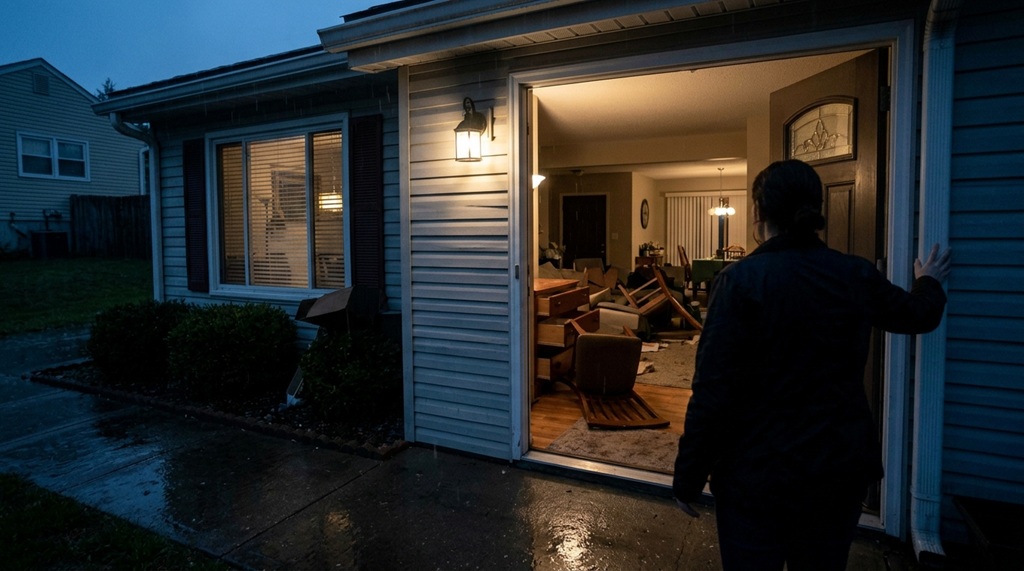
You walk into your home and something feels wrong. A drawer is open. A window is broken. Your laptop is missing. In that moment, confusion and panic take over. Many homeowners accidentally destroy evidence, delay reporting, or overlook insurance steps that later cost them thousands of dollars.
A home robbery is not just about stolen property. It disrupts your sense of safety, creates legal and insurance complications, and can increase the risk of repeat break-ins if handled incorrectly. According to crime prevention studies across North America and Europe, homes that take immediate protective action after a burglary reduce repeat incidents significantly compared to those that delay response.
This step-by-step guide explains exactly what to do after a home robbery, how to protect evidence, secure your property, recover losses faster, and prevent future incidents. Each step is designed to help you act quickly and confidently when timing matters most.
What should you do first after discovering a home robbery?
Leave the property immediately if anything seems unsafe and call the police from a secure location.
Your safety comes before everything else. If you suspect the intruder may still be inside, do not enter the house. Retreat and contact emergency services immediately.
- Check surroundings before entering
- Listen for unusual noises
- Look for forced entry signs
- Keep family members outside
- Call emergency services right away
Even if the home appears empty, burglars sometimes return quickly. Police officers are trained to assess whether the location is secure.
People Also Ask: Can burglars return to the same house?
Yes. Studies show repeat burglaries often occur within weeks if security improvements are not made.
Why is calling the police immediately so important after a burglary?
Calling the police immediately helps preserve evidence, increases the chance of recovering stolen items, and creates an official report required for insurance claims.
Law enforcement documentation is essential. Without it, most insurance companies will delay or deny compensation.
Police typically:
- Secure the scene
- Collect fingerprints
- Record forced entry points
- Document stolen property
- Issue an incident report number
Provide officers with accurate details, including suspicious vehicles, unfamiliar neighbors, or unusual activity observed earlier.
The faster authorities respond, the higher the recovery probability—especially for electronics with traceable serial numbers.
Should you touch anything after a home robbery?
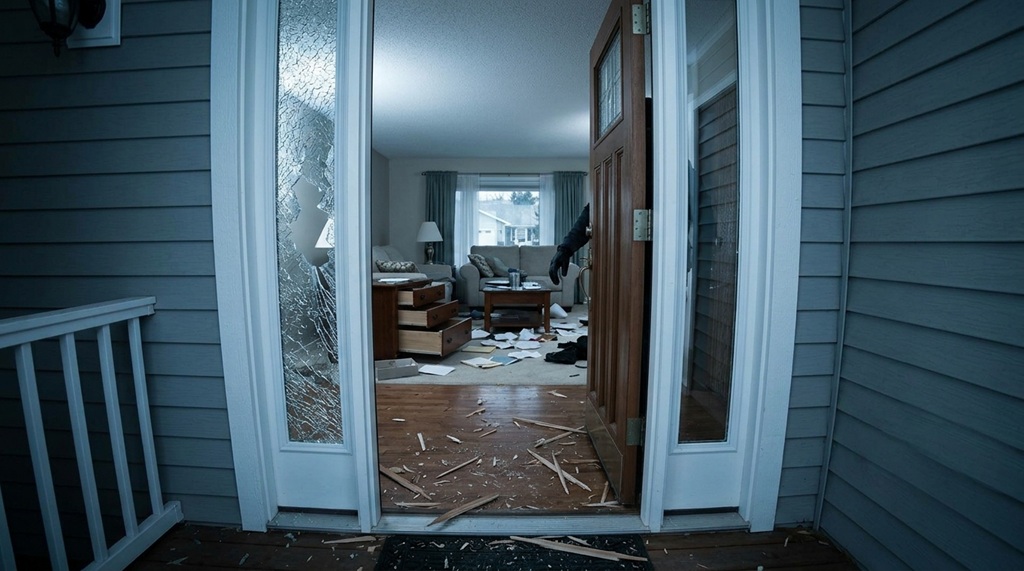
No, avoid touching anything until police finish collecting evidence to prevent contamination of fingerprints and forensic traces.
Many homeowners unintentionally damage investigation evidence by cleaning broken glass or rearranging items before documentation.
Avoid touching:
- Door handles
- Windows
- Jewelry boxes
- Electronics cables
- Storage drawers
If weather exposure is a concern, notify police before covering entry points.
People Also Ask: Can touching items affect insurance claims?
Yes. Altering the scene may reduce claim credibility if investigators cannot verify forced entry.
How do you confirm what was stolen after a burglary?
Create a detailed inventory of missing items using receipts, photos, serial numbers, and memory-based documentation.
Start room by room. Focus on valuables first, including electronics, jewelry, cash, and identity documents.
- Laptops and smartphones
- Passports and IDs
- Credit cards
- Watches and jewelry
- Gaming consoles
- External storage devices
If available, check cloud backups, purchase emails, or warranty registrations for proof of ownership.
Accurate documentation increases claim approval speed.
When should you contact your insurance company after a home robbery?
Contact your insurance provider immediately after filing a police report to begin the claims process quickly.
Most homeowners insurance policies require notification within 24–72 hours.
Prepare the following:
- Police report number
- List of stolen items
- Estimated value
- Photos of damage
- Proof of ownership
Insurance companies often assign adjusters within days if documentation is complete.
| Step | Why It Matters | Timeline |
|---|---|---|
| Police report | Legal verification | Immediately |
| Damage photos | Evidence support | Same day |
| Item inventory | Claim valuation | Within 48 hours |
| Submit claim | Compensation process begins | Within 72 hours |
What should you do if personal documents were stolen?
Immediately report stolen identity documents and monitor financial accounts to prevent fraud or identity theft.
Burglars often target documents for resale or impersonation purposes.
- Freeze credit reports
- Notify banks
- Replace passports
- Report stolen IDs
- Change online passwords
Early action prevents long-term identity risks.
How can you secure your home after a burglary?
Repair entry points immediately and upgrade security systems to reduce the risk of repeat break-ins.
Homes previously targeted are statistically more vulnerable within the first month after a robbery.
Immediate protection steps include:
- Replace broken locks
- Install motion lights
- Add door reinforcement plates
- Secure windows
- Install surveillance cameras
Temporary security solutions like portable alarms can be installed within hours.
Should you inform neighbors after a robbery?
Yes, informing neighbors increases community awareness and helps prevent additional incidents nearby.
Neighborhood communication improves collective vigilance.
Share:
- Time of incident
- Entry method
- Suspicious activity
- Missing items patterns
Community alert apps and neighborhood watch groups can reduce repeat crime rates significantly.
Is it necessary to change locks after a home burglary?
Yes, changing locks is essential because burglars may still have access through copied keys or damaged locking systems.
Even if keys were not stolen, forced entry weakens structural integrity.
Upgrade options include:
- Smart locks
- Deadbolts
- Reinforced strike plates
- Keyless entry systems
Modern locks improve both security and insurance compliance.
How can security cameras help after a home robbery?
Security cameras provide evidence that can identify suspects and support insurance verification.
If cameras are already installed:
- Download footage immediately
- Share copies with police
- Save backups securely
If not installed, adding cameras reduces future burglary risk dramatically.
Should you document property damage after a burglary?
Yes, photographing all damage supports both police investigation and insurance claims.
Capture:
- Broken doors
- Forced windows
- Scattered belongings
- Missing storage areas
- Entry tool marks
Use timestamps if possible.
Six Things to do After a Home Robbery
How do burglars typically choose homes to target?
Burglars often choose homes with weak visibility, poor lighting, unlocked access points, and predictable schedules.
Common risk factors include:
- No security cameras
- Unlit entrances
- Social media travel posts
- Package accumulation outside
- Unlocked side gates
Addressing these factors reduces vulnerability significantly.
Conclusion: What steps ensure the fastest recovery after a home robbery?
The fastest recovery after a home robbery comes from acting immediately: ensure safety, contact police, document evidence, notify insurance providers, secure your home, and monitor identity risks.
A burglary creates stress, disruption, and uncertainty. But structured action restores control quickly. The sooner authorities are involved, the stronger your insurance case becomes. The faster your home is secured, the lower the chance of repeat incidents.
Start by documenting everything today. Review your home security setup this week. And create a household emergency response checklist so everyone knows what to do if another incident happens.
Preparation turns a frightening situation into a manageable one. Taking the right steps now protects your property, finances, and peace of mind moving forward.
FAQ: What do homeowners ask most after a burglary?
Can stolen property be recovered after a burglary?
Yes, stolen property is sometimes recovered, especially electronics with serial numbers, tracked devices, or pawn shop resale records.
How long does an insurance claim take after a burglary?
Most claims are processed within 2–6 weeks depending on documentation quality and claim complexity.
Will insurance cover cash stolen during a robbery?
Many policies limit cash reimbursement, often between $200 and $1,000 depending on coverage terms.
Should I replace my alarm system after a break-in?
Yes, upgrading alarm systems helps prevent repeat incidents and may reduce insurance premiums.
What if I discover the robbery hours later?
Report it immediately. Evidence may still be recoverable even after delays.
Can burglars access personal data from stolen devices?
Yes, which is why changing passwords and enabling remote device locking immediately is critical.
Read More Also How to Choose the Best Leg Support Pillow
Find out How to Design Bedroom Baths for Small Luxury Homes