


A good night’s sleep is one of the most important things you can do for your health. Yet millions of people wake up with sore hips, aching knees, or a stiff lower back. Often, the problem is not the mattress. It is the position of the legs during sleep.
A leg support pillow can make a surprising difference. It lifts, aligns, and cushions your legs so your spine stays in a neutral position throughout the night. However, with so many options on the market, choosing the right one can feel confusing.
This guide breaks it all down for you. By the end, you will know exactly what to look for, which type suits your sleep style, and how to get the most out of your purchase.
Why Leg Support Matters While You Sleep
Most people do not think about their legs when they think about sleep quality. They focus on the pillow under their head or the firmness of their mattress. However, leg position plays a huge role in how well your body recovers during rest.
When you sleep without proper support under or between your legs, your hips can rotate. That rotation pulls on your lower back. Over time, this creates tension, pain, and disrupted sleep.
A leg support pillow keeps the hips level. It reduces pressure on the knees and ankles. It also improves circulation, which is especially helpful for people who stand or sit for long hours during the day.
Additionally, people recovering from surgery or injury often use leg pillows as part of their recovery plan. Elevating the legs reduces swelling and promotes faster healing. Therefore, a leg pillow is not just a comfort item. For many people, it is an essential tool.
Types of Leg Support Pillows
Not all leg pillows are the same. Each type is designed for a specific purpose and sleep position. Understanding the differences helps you choose the right one.
Knee Pillows
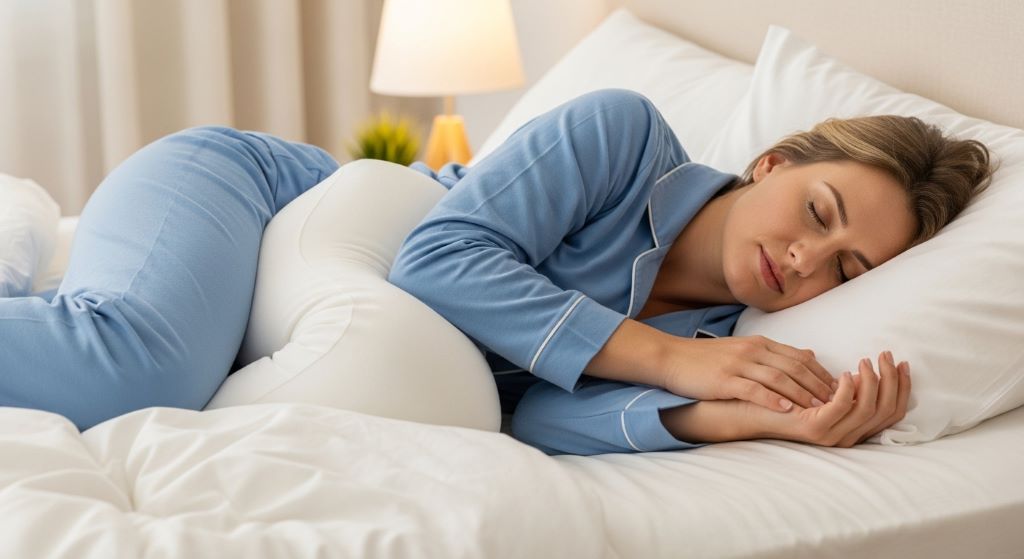
These are small, contoured pillows placed between the knees for side sleepers. They keep the knees from pressing together, which reduces hip strain and lower back pain. They are compact, easy to use, and a great starting point for anyone new to leg support.
Leg Elevation Pillows
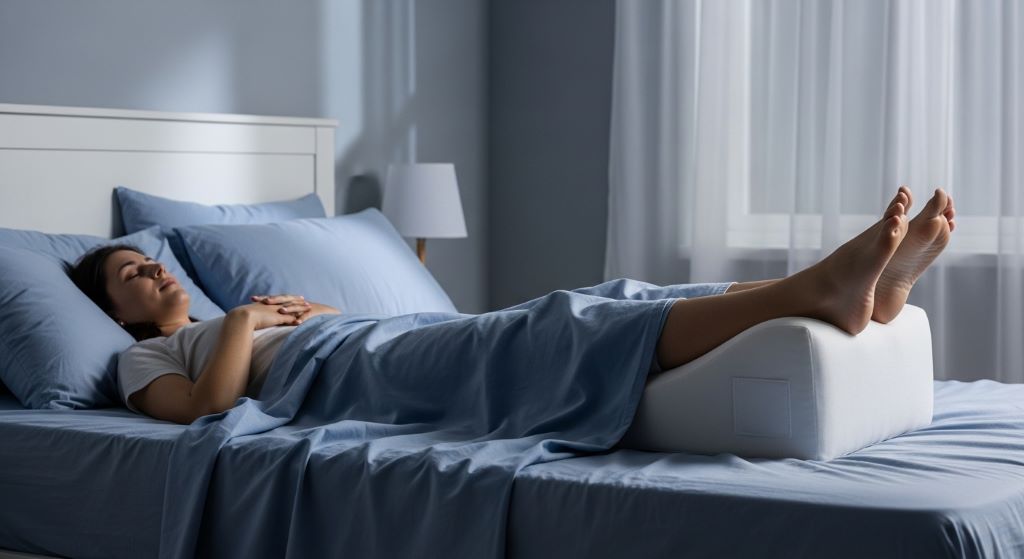
These are larger, wedge-shaped pillows that go under the calves and feet. They lift the legs above heart level, which improves blood flow and reduces swelling. People with varicose veins, edema, or poor circulation often benefit most from this type.
Full-Length Body Pillows
A body pillow runs the length of your torso and legs. Side sleepers hug it from the front, which keeps the knees separated and the spine aligned. It is a versatile option that provides support in multiple areas at once.
Wedge Pillows for the Legs
This is where the orthopedic wedge pillow comes in. It is a firm, angled pillow that supports the legs at a gentle incline. It is especially useful for people with acid reflux, post-surgical swelling, or chronic leg pain. The firm structure holds its shape all night, unlike softer options that flatten out.
What to Look For When Choosing a Leg Support Pillow
The Right Fill Material
The fill material affects how the pillow feels, how long it lasts, and how well it supports your body. Here are the most common options:
- Memory foam conforms to the shape of your legs and relieves pressure points effectively. It is a popular choice for people with joint pain.
- Latex is firmer and more durable than memory foam. It also sleeps cooler, which is ideal for hot sleepers.
- Polyester fiberfill is soft and lightweight but tends to flatten quickly. It is better for casual use than long-term support.
- Buckwheat filling is firm and adjustable. However, it can be heavy and noisy, which some sleepers find disruptive.
For most people, memory foam or latex will deliver the best combination of support and comfort.
Firmness Level
Firmness is closely tied to support. A pillow that is too soft will compress under your weight and lose its shape. A pillow that is too firm may feel uncomfortable, especially if you have sensitive joints.
The ideal firmness depends on your body weight and sleep position. Heavier individuals generally need a firmer pillow to maintain proper elevation. Side sleepers often prefer medium firmness, while back sleepers may do better with a softer, flatter option.
Size and Shape
Size matters more than most buyers realize. A knee pillow that is too small will shift during the night. One that is too large may push your legs into an unnatural position.
For side sleepers, look for a contoured hourglass shape that fits snugly between the knees. For back sleepers, a larger cylindrical or wedge shape under the knees works well. For leg elevation, choose a pillow long enough to support from the ankle to the knee or higher.
Cover Material and Breathability
You will spend hours resting your legs on this pillow. Therefore, the cover matters. Look for covers made from breathable fabrics like bamboo, cotton, or moisture-wicking materials. These keep you cool and comfortable through the night.
Additionally, a removable and machine-washable cover is a must. Pillows absorb sweat and oils over time. Easy cleaning keeps things hygienic and extends the life of the product.
Certifications and Safety Standards
If you are buying for health or recovery purposes, check for certifications. CertiPUR-US certified foam means the product has been tested for harmful chemicals. This is especially important for people with allergies or sensitivities.
Matching the Pillow to Your Sleep Position
Your sleep position is one of the most important factors in choosing the right leg support pillow. Using the wrong type for your position can actually make discomfort worse.
Side Sleepers
Side sleeping is the most common position. It is generally considered the healthiest, but it comes with one main challenge: the knees press together, which causes the hips to tilt and the spine to curve.
A contoured knee pillow placed between the knees solves this problem instantly. It keeps the hips stacked and the spine straight. Many side sleepers notice a significant reduction in lower back pain after just a few nights of use.
Back Sleepers
Back sleepers need support under the knees, not between them. Placing a pillow under the knees slightly bends the legs, which takes pressure off the lumbar spine.
A cylindrical bolster pillow or a low-profile wedge works well for this position. The goal is to keep the knees at a slight angle, not raised too high. Too much elevation can strain the hamstrings over time.
Stomach Sleepers
Stomach sleeping is generally the least recommended position because it puts the neck and lower back in a strained alignment. However, if you prefer this position, placing a thin, flat pillow under the hips and pelvis can reduce spinal stress.
A leg pillow is less commonly used by stomach sleepers, but a small cushion under the ankles can reduce foot discomfort.
The Role of the Orthopedic Wedge Pillow in Sleep Comfort
The orthopedic wedge pillow deserves its own discussion. It has become one of the most recommended tools for improving sleep comfort because of its versatility and firm, structured design.
Unlike standard pillows, the wedge shape creates a consistent incline that does not shift or flatten. This makes it ideal for conditions that require sustained elevation, such as leg edema, post-surgical recovery, restless leg syndrome, or deep vein thrombosis prevention.
The angle of elevation also matters. A 30-degree incline is enough for most people to notice improved circulation and reduced swelling. Steeper angles are sometimes used after surgery but should only be used under medical guidance.
Additionally, orthopedic wedge pillows are often used in combination with other support pillows. For example, you might use a wedge under your calves and a knee pillow between your legs at the same time. This layered approach creates full lower-body support and maximizes sleep comfort through the night.
Common Mistakes to Avoid
Even with the right product, small mistakes can reduce the benefits. Here are some things to watch out for.
Using the pillow in the wrong position is the most common issue. Read the product instructions and understand how the pillow is meant to be used before your first night.
Buying based on price alone often leads to disappointment. Very cheap pillows tend to flatten quickly and provide little real support. On the other hand, the most expensive option is not always the best fit for your needs. Focus on materials and design rather than brand name or price tag.
Ignoring size is another frequent mistake. Always check the dimensions before buying, especially if you are buying online. A pillow that looks right in a photo may be much smaller or larger than expected.
Finally, giving up too soon is a mistake many people make. Your body may take a few nights to adjust to a new sleeping position with added support. Give it at least one to two weeks before deciding whether the pillow is working for you.
How to Care for Your Leg Support Pillow
Proper care extends the life of your pillow and keeps it hygienic. Most memory foam and latex pillows cannot be washed in a machine. However, their covers usually can.
Remove the cover regularly and wash it according to the label instructions. Spot clean the foam interior if needed using a damp cloth and mild soap. Allow it to air dry completely before replacing the cover.
Keep the pillow out of direct sunlight for long periods, as UV exposure can break down foam materials over time. Additionally, store it flat or in a natural position to prevent the foam from developing a permanent compression.
When to See a Doctor
A leg pillow can do a lot to improve comfort and reduce mild pain. However, it is not a substitute for medical care.
If you experience persistent leg pain, severe swelling, numbness, or tingling that does not improve with positional changes, see a doctor. These symptoms can sometimes indicate a more serious condition, such as a circulatory problem or nerve issue.
Similarly, if you are recovering from surgery, always follow your doctor’s guidance on elevation and positioning rather than relying solely on general product recommendations.
Conclusion
Choosing the best leg support pillow does not have to be complicated. Start by identifying your sleep position and the main problem you want to solve, whether that is lower back pain, knee discomfort, swelling, or poor circulation.
From there, focus on fill material, firmness, size, and cover quality. If you need consistent, structured elevation for health reasons, an orthopedic wedge pillow is often the most reliable choice. For side sleepers dealing with hip and knee pain, a contoured knee pillow is hard to beat.
Remember that sleep comfort is a personal thing. What works for one person may not work for another. Therefore, take the time to match the product to your specific needs, give your body time to adjust, and take care of your pillow so it lasts.
A small investment in the right leg support pillow can lead to deeper sleep, less pain, and better energy every single day.
Frequently Asked Questions
What is the best leg pillow for side sleepers?
A contoured hourglass-shaped knee pillow is the best option for side sleepers. It fits between the knees, keeps the hips aligned, and reduces lower back and hip strain throughout the night.
Can a leg support pillow help with lower back pain?
Yes. By keeping the legs and hips properly aligned, a leg pillow reduces the tension that pulls on the lower back during sleep. Many people notice a significant improvement in back pain after consistent use.
How long does a memory foam leg pillow last?
A high-quality memory foam leg pillow typically lasts two to four years with proper care. Cheaper options may begin to flatten or lose shape within a few months.
Is an orthopedic wedge pillow good for circulation?
Yes. An orthopedic wedge pillow elevates the legs above heart level, which encourages blood to flow back toward the heart. This helps reduce swelling and is beneficial for people with varicose veins or edema.
Can I use a leg support pillow if I sleep on my back?
Absolutely. Back sleepers benefit from placing a pillow under the knees rather than between them. This slight elevation reduces pressure on the lumbar spine and can ease tension in the lower back and hips.
Related Topics:
Dot and Dot Twist Pillow: Best Neck Support for Travelers
How to Make a One Bedroom Apartment Stylish and Comfortable