
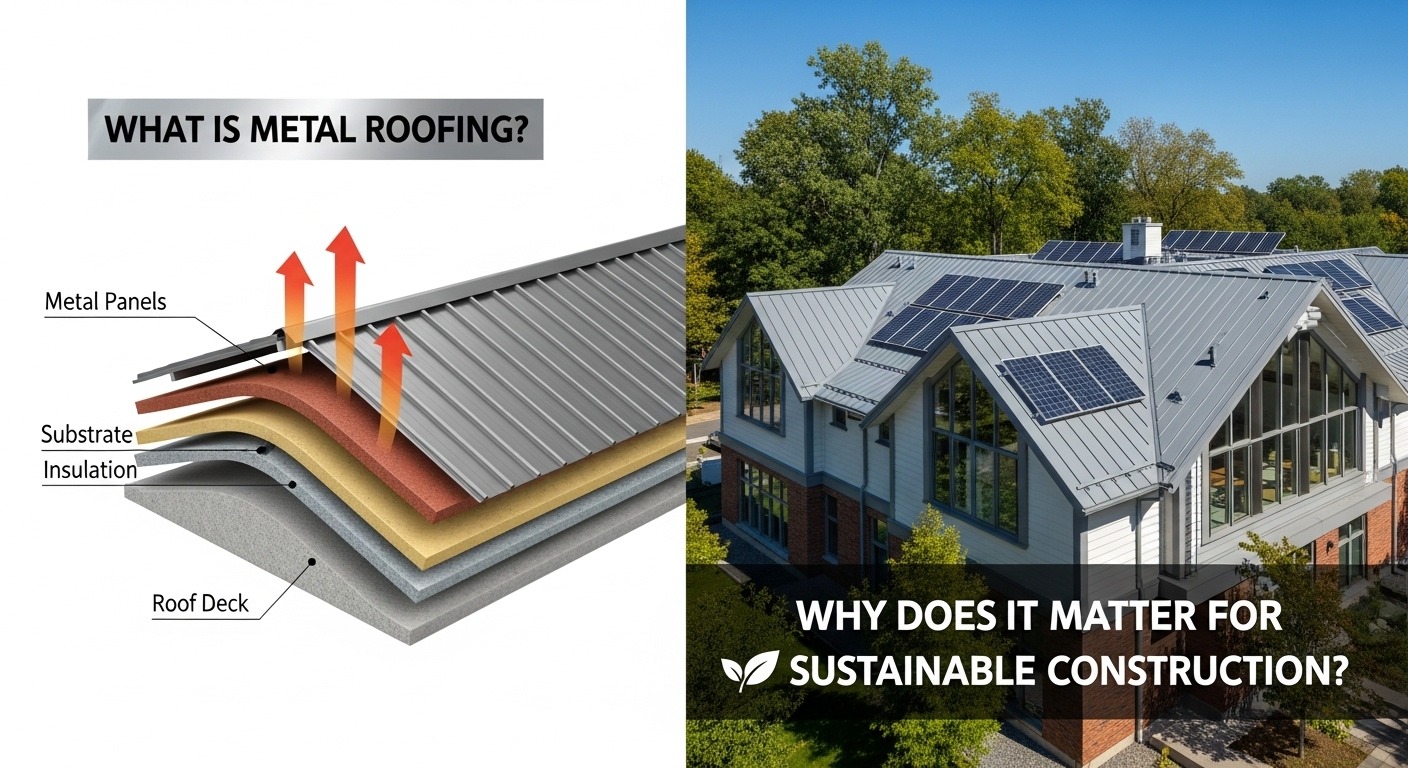
Metal roofing is a roofing system made from materials like steel, aluminum, zinc, or copper, designed to protect buildings while improving durability and energy efficiency. In sustainable construction, metal roofing matters because it lasts longer, reduces waste, reflects heat, and is often made from recycled materials.
Construction is responsible for nearly 39% of global carbon emissions, according to data from the Global Alliance for Buildings and Construction. A large share comes from material production, replacement cycles, and energy use during a building’s lifetime. Roofing plays a direct role in all three.
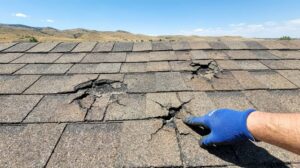
Traditional asphalt shingles usually last 15–20 years. Metal roofs commonly last 40–70 years. That single difference changes the environmental math. Fewer replacements mean less landfill waste, lower material demand, and reduced transportation emissions.
This article explains how to use metal roofing sustainably, step by step. You’ll learn where metal roofing fits into green building goals, how it performs in real-world case studies, and how to avoid common mistakes. Each section starts with a direct answer, then expands with practical detail.
If you’re a builder, architect, developer, or homeowner focused on long-term performance, this guide is written for you.
How Does Metal Roofing Support Sustainable Construction Goals?
Metal roofing supports sustainable construction by reducing energy use, minimizing material waste, and extending building life cycles.
Most sustainability frameworks focus on three core areas: energy efficiency, material efficiency, and durability. Metal roofing performs well in all three.
Energy Performance
Metal roofs reflect solar radiation instead of absorbing it. According to the U.S. Department of Energy, cool metal roofing can reduce cooling energy costs by 10–25% in warm climates.
Many metal roofing systems meet ENERGY STAR cool roof standards. This reduces indoor heat gain and lowers air-conditioning demand.
Material Efficiency
Metal roofing panels often contain 25–95% recycled content. At the end of their life, they are 100% recyclable. Asphalt shingles, by contrast, contribute roughly 11 million tons of waste to U.S. landfills each year.
Longevity and Life-Cycle Impact
A longer service life means fewer raw materials extracted over time. When life-cycle assessments (LCA) are applied, metal roofing often shows a lower environmental impact than short-lived roofing alternatives.
How to Use Metal Roofing Sustainably from the Design Stage?
To use metal roofing sustainably, sustainability decisions must start at the design stage, not after installation.
Design choices determine how effective metal roofing will be over decades.
Choose the Right Metal Type
- Steel: High recycled content, cost-effective, widely available.
- Aluminum: Lightweight, corrosion-resistant, ideal for coastal areas.
- Zinc: Extremely long lifespan (60–100 years), self-healing surface.
From a sustainability standpoint, steel and aluminum offer the best balance of cost, availability, and recycled content.
Optimize Roof Pitch and Orientation
Roof slope affects water runoff, ventilation, and solar panel integration. Proper orientation can improve solar reflectance and photovoltaic output if panels are added later.
Design for Disassembly
Sustainable construction favors materials that can be removed and reused. Standing seam metal roofing systems use mechanical fasteners instead of adhesives, making future recycling easier.
How Energy-Efficient Is Metal Roofing in Real Buildings?
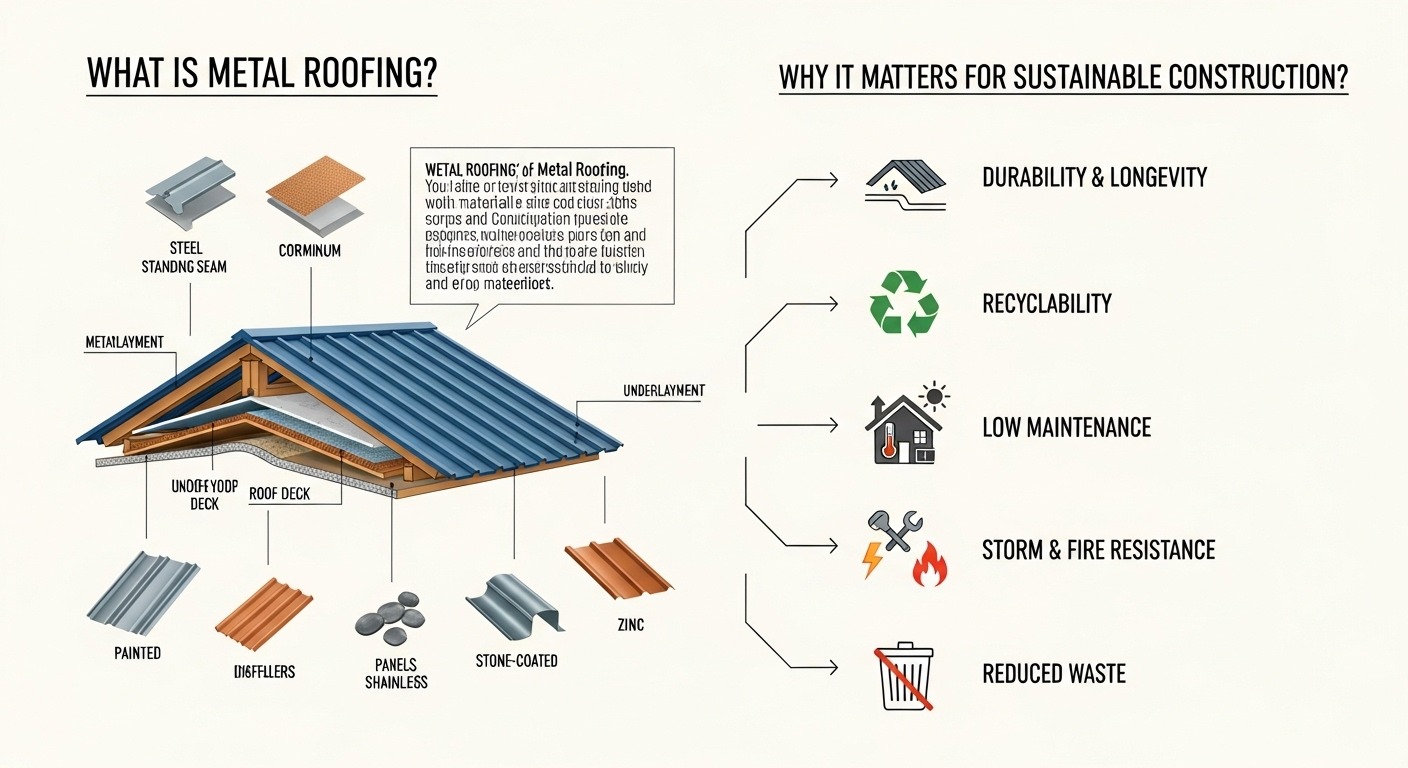
Metal roofing improves energy efficiency by reflecting heat and supporting advanced insulation systems.
Energy efficiency is not theoretical. It has been measured across residential, commercial, and industrial buildings.
Case Study: Commercial Warehouse Retrofit
A 2022 retrofit study published by Oak Ridge National Laboratory examined a 50,000 sq. ft. warehouse in Texas. The building replaced a dark membrane roof with a white-coated metal roof.
| Metric | Before | After |
|---|---|---|
| Annual Cooling Energy Use | 480,000 kWh | 372,000 kWh |
| Cooling Cost | $57,600 | $44,640 |
The result was a 22.5% reduction in cooling energy use. The roof paid for itself in under seven years.
Residential Performance
In residential buildings, homeowners report indoor temperature reductions of 3–5°F during peak summer months. Combined with attic insulation, metal roofing significantly stabilizes indoor comfort.
How Does Metal Roofing Reduce Environmental Waste?
Metal roofing reduces waste by lasting longer, requiring fewer replacements, and being fully recyclable.
Waste reduction is one of the most overlooked sustainability benefits.
Replacement Cycles
Over a 60-year building lifespan:
- Asphalt shingles may need replacement 3–4 times.
- Metal roofing often requires zero full replacements.
Each avoided replacement saves materials, labor, fuel, and disposal costs.
End-of-Life Recycling
Metal roofing panels retain scrap value. Recycling rates for steel and aluminum exceed 90% globally. This creates a circular material flow rather than landfill dependency.
How to Use Metal Roofing Sustainably with Solar and Green Systems?
Metal roofing integrates easily with solar panels, rainwater harvesting, and green building systems.
Solar Panel Compatibility
Standing seam metal roofs allow solar panels to be clamped without drilling holes. This preserves roof integrity and simplifies removal or upgrades.
According to the National Renewable Energy Laboratory (NREL), metal roofs paired with solar panels last longer than shingle roofs because panels protect the surface from UV exposure.
Rainwater Harvesting
Metal roofing surfaces are smooth and non-porous. This improves water quality in rainwater collection systems by reducing contamination.
Green Building Certifications
Metal roofing contributes points toward LEED, BREEAM, and other green building certifications through recycled content, energy efficiency, and durability credits.
What Are the Common Mistakes That Reduce Metal Roofing Sustainability?
Poor installation, low-quality coatings, and incorrect insulation choices reduce the sustainability benefits of metal roofing.
Incorrect Installation
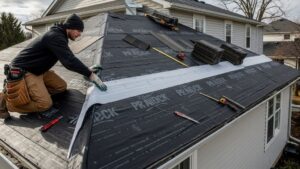
Improper fastening or poor flashing leads to leaks. Repairs reduce lifespan and negate sustainability gains.
Low-Quality Coatings
Cheap paint systems degrade faster. High-performance coatings like PVDF (Kynar 500) maintain reflectivity for decades.
Ignoring Insulation
Metal roofing alone does not insulate. Sustainable performance depends on pairing it with proper underlayment and insulation systems.
Is Metal Roofing Cost-Effective Over Its Lifetime?
Metal roofing has a higher upfront cost but lower lifetime cost due to durability and energy savings.
Initial costs are typically 2–3 times higher than asphalt shingles. However, life-cycle cost analysis tells a different story.
| Factor | Asphalt Shingles | Metal Roofing |
|---|---|---|
| Average Lifespan | 20 years | 50+ years |
| Replacement Count (50 years) | 2–3 | 0–1 |
| Energy Savings | Low | Moderate to High |
When maintenance, energy savings, and avoided replacements are included, metal roofing often costs less over time.
How to Choose a Sustainable Metal Roofing Contractor?
A sustainable outcome depends on experienced contractors who understand metal roofing systems.
- Verify certifications and manufacturer training
- Ask about recycled content and coating systems
- Request life-cycle cost estimates, not just upfront pricing
Installation quality directly affects performance, lifespan, and environmental impact.
Conclusion: Is Metal Roofing Worth It for Sustainable Construction?
Metal roofing is not a trend. It is a long-term construction strategy. When evaluated through energy use, material efficiency, and durability, it consistently outperforms traditional roofing systems.
Using metal roofing sustainably means more than choosing metal panels. It means designing smart, installing correctly, and thinking in decades instead of years.
If your goal is to reduce operational costs, lower environmental impact, and build structures that last, metal roofing is one of the most reliable options available today.
Call to Action: If you’re planning a new build or renovation, consult a qualified metal roofing specialist and request a life-cycle analysis. Sustainable choices pay off when they’re made early.
FAQ: Metal Roofing and Sustainable Construction
Is metal roofing environmentally friendly?
Yes. Metal roofing is environmentally friendly due to high recycled content, long lifespan, and full recyclability at end of life.
How long does metal roofing last?
Most metal roofs last 40–70 years, depending on material, coating, and installation quality.
Does metal roofing really reduce energy bills?
Yes. Studies show cooling energy savings of 10–25% in warm climates due to heat reflectivity.
Can metal roofing be used in residential homes?
Yes. Metal roofing is widely used in residential construction and is available in styles that mimic shingles, tiles, and panels.
Is metal roofing recyclable?
Yes. Metal roofing is 100% recyclable and often made from recycled materials.
Does metal roofing work with solar panels?
Yes. Standing seam metal roofs are one of the best platforms for solar panel installation.
Is metal roofing more expensive?
Upfront costs are higher, but lifetime costs are often lower due to durability and energy savings.
Related Topics: How to Make a One Bedroom Apartment Stylish and Comfortable