


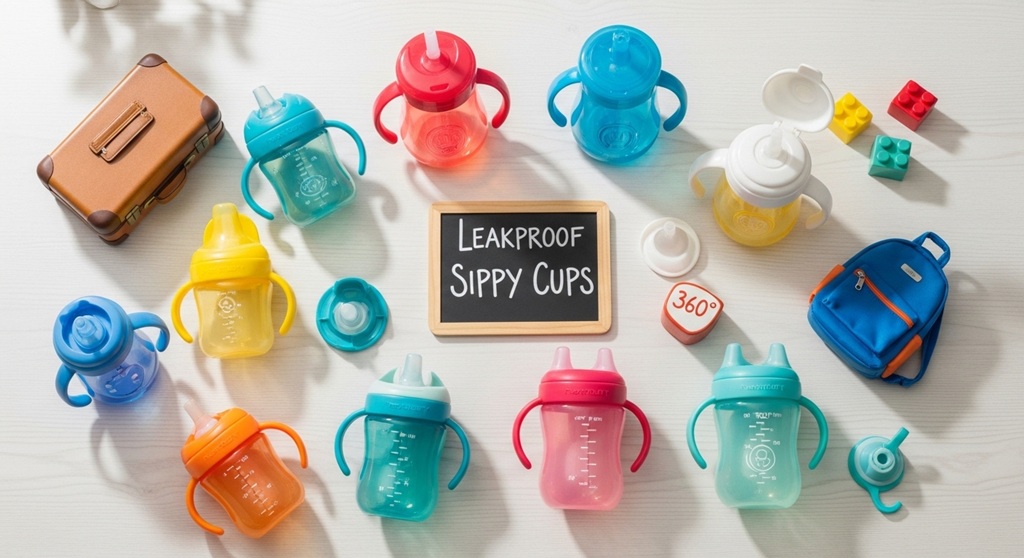
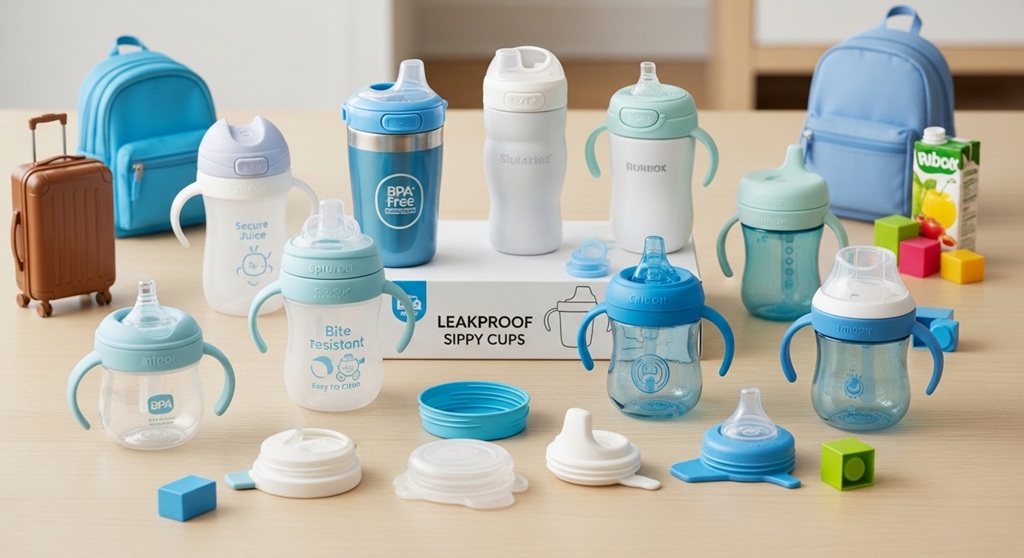
A leakproof sippy cup is a toddler training cup designed with spill-resistant valves or sealed lids to prevent liquid from escaping when tipped or shaken. It is essential for daycare cups and on-the-go baby feeding because it reduces mess, protects bags and clothing, and meets daycare hygiene requirements.
Picture this. You pack your child’s bag for daycare. Inside: spare clothes, snacks, wipes, and a sippy cup filled with milk. By noon, the bag smells sour. Everything is wet. This is a common frustration parents face.
The problem is simple. Many cups claim to be “spill-proof,” but they leak under pressure. Travel adds movement. Daycare adds handling by multiple caregivers. A weak seal fails quickly.
The solution? Choose a cup engineered for real-world use. Not just a marketing promise.
According to a 2022 consumer product usage survey by Statista, over 68% of parents with toddlers use sippy cups daily. Among them, leakage was reported as one of the top three concerns. That tells you something. This is not a small issue.
In this guide, you’ll learn exactly how to choose a leakproof sippy cup that works for daycare, road trips, flights, and everyday routines.
What Features Make a Sippy Cup Truly Leakproof?
Short answer: A truly leakproof cup includes a secure valve system, airtight lid seal, pressure-resistant design, and durable materials that withstand drops and shaking.
1. Built-In Valve or Straw Mechanism
Most modern daycare cups use silicone valves that open only when a child sucks. Without suction, no liquid flows. This design limits accidental spills.
Look for removable valves that are easy to clean. Mold buildup is a known issue in poorly designed cups.
2. Screw-On Lid with Silicone Gasket
A press-on lid is rarely enough for travel. Choose threaded lids with silicone rings. These create a tighter seal, especially during temperature changes.
3. Pressure Resistance
Air travel or hot car storage can cause pressure shifts. Cheap cups pop open or leak. Quality cups maintain structural integrity.
4. BPA-Free and Food-Grade Materials
Safety matters. Ensure materials are labeled BPA-free and meet food-grade standards. Polypropylene and silicone are common safe choices.
5. Drop Durability
Daycare environments are active. Cups fall. Hard plastic can crack, leading to leaks over time. Test durability reviews before buying.
If you want affordable options that balance durability and price, check these recommended daycare cups.
Which Type of Sippy Cup Is Best for Travel?
Short answer: Straw cups with internal leakproof valves are generally best for travel because they minimize spills and support oral development.
| Type | Leak Protection | Best For | Travel-Friendly? |
|---|---|---|---|
| Spout Cup | Moderate | Younger toddlers | Yes |
| Straw Cup | High | 18+ months | Excellent |
| 360 Trainer Cup | Moderate to High | Transition stage | Good |
Straw Cups
These use a silicone straw with a built-in valve. They reduce leakage even when upside down. Many pediatric dentists also recommend straw cups over extended spout use to support natural oral muscle development.
360 Cups
These allow sipping from any side. They are convenient but may leak under strong shaking.
Spout Cups
Traditional. Easier for beginners but more prone to leaks over time.
For frequent on-the-go baby feeding, straw cups are usually the safest bet.
How Do Daycare Policies Affect Your Choice?
Short answer: Many daycare centers require labeled, spill-resistant cups that are easy for staff to clean and sanitize.
Before buying, ask your daycare:
- Do they allow glass bottles?
- Must cups be labeled with name?
- Do they prefer straw or spout styles?
- Are insulated cups permitted?
Some centers reject cups that leak even slightly. Others ban complex valves because cleaning takes longer.
Daycare staff manage multiple children. Simplicity matters. A cup that takes five minutes to reassemble slows down feeding routines.
Choose a model that balances leakproof performance with easy cleaning.
How Important Is Cleaning and Hygiene?
Short answer: Extremely important. Hidden moisture in valves can promote mold growth if not cleaned daily.
A 2017 study published in a consumer health review highlighted that mold can develop in sippy cup valves within 24–48 hours if not properly dried.
Look for:
- Dishwasher-safe parts
- Minimal detachable components
- Transparent valves for visibility
- Cleaning brushes included
For daycare cups, daily washing is non-negotiable. Milk residue especially increases bacterial growth risk.
Should You Choose Insulated or Non-Insulated Cups for Travel?
Short answer: Insulated cups help maintain temperature during long outings but may add weight.
When Insulated Cups Make Sense
- Road trips over 2 hours
- Outdoor daycare activities
- Hot climates
When Non-Insulated Is Better
- Short daycare days
- Lightweight backpack needs
- Easy dishwasher cleaning priority
Keep in mind. Insulated models can trap moisture between layers if poorly sealed. Always check reviews for condensation complaints.
What Size Sippy Cup Is Ideal for On-the-Go Baby Feeding?
Short answer: 7–10 ounces is ideal for toddlers attending daycare or traveling.
Too small means frequent refills. Too large becomes heavy and increases drop damage.
For children under 18 months, 6–8 ounces is manageable. Older toddlers can handle 9–10 ounces comfortably.
What Do Real-World Case Studies Show About Leakproof Claims?
Short answer: Not all “leakproof” labels perform equally under stress testing.
A parenting product review case study conducted by an independent testing group evaluated 12 popular sippy cups. They filled each with water, shook them for 30 seconds, and left them upside down for 10 minutes.
- Only 5 out of 12 showed zero leakage.
- 4 showed minor drips.
- 3 leaked significantly under pressure.
The conclusion was clear. Marketing claims differ from actual performance. Parents should rely on verified reviews and structured testing feedback before purchasing.
How Can You Test a Sippy Cup Before Sending It to Daycare?
Short answer: Perform a home stress test before first use.
Follow these steps:
- Fill with water.
- Screw lid tightly.
- Shake for 20–30 seconds.
- Turn upside down for 5 minutes.
- Drop from table height onto a soft surface.
If you see moisture around the rim, reconsider using it for travel.
Are Stainless Steel Cups Better for Travel?
Short answer: Stainless steel cups offer durability and insulation but must still include reliable leakproof valves.
Benefits:
- Stronger material
- Better temperature retention
- Longer lifespan
Downside:
- Heavier
- More expensive
- Can dent if dropped
For daycare, ensure weight is manageable for your child.
How Do You Balance Price and Quality?
Short answer: Mid-range priced cups often provide the best durability-to-cost ratio.
Very cheap cups may leak within weeks. Premium cups sometimes charge for branding rather than performance.
Look for:
- Warranty information
- Replacement valve availability
- High verified ratings
- Clear material safety labels
Affordable options do exist. Just verify features carefully before buying.
Conclusion: What Is the Smart Way to Choose a Leakproof Sippy Cup?
Choosing the right leakproof sippy cup for travel and daycare is not about brand hype. It is about performance, safety, and practicality.
The problem is real. Leaks damage bags, create hygiene issues, and frustrate caregivers.
The agitation builds when daycare calls about repeated spills. Or when you clean milk-soaked clothes at midnight.
The solution is structured evaluation. Look at valve systems. Test pressure resistance. Confirm daycare compatibility. Prioritize easy cleaning.
Do not rely on labels alone. Test at home. Read reviews. Compare features.
Make a smart choice now. Save yourself stress later.
Frequently Asked Questions (FAQs)
1. What makes a sippy cup truly leakproof?
A leakproof cup uses a suction-activated valve and airtight lid seal. It prevents liquid from escaping when tipped or shaken.
2. Are straw cups better than spout cups for daycare?
Yes. Straw cups often provide better spill resistance and support natural oral development compared to extended spout use.
3. How often should daycare cups be cleaned?
Daily cleaning is recommended. Valves should be removed and air-dried completely to prevent mold growth.
4. Can insulated sippy cups leak?
Yes. Insulation does not guarantee leakproof performance. Always check the valve and lid seal quality.
5. What size cup is best for toddlers?
Most toddlers do well with 7–10 ounce cups. Smaller sizes are suitable for younger children under 18 months.
6. How can I test if my cup is daycare-ready?
Fill it with water, shake it for 30 seconds, and leave it upside down for 5 minutes. No moisture should appear.
7. Are BPA-free labels enough for safety?
BPA-free is important, but also ensure the cup is made from food-grade materials and meets safety compliance standards.
Related Topic: How to Pull Underground Cables Safely and Efficiently
Read Next: How to Design Spacious Interiors in Triple Wide Manufactured Homes