



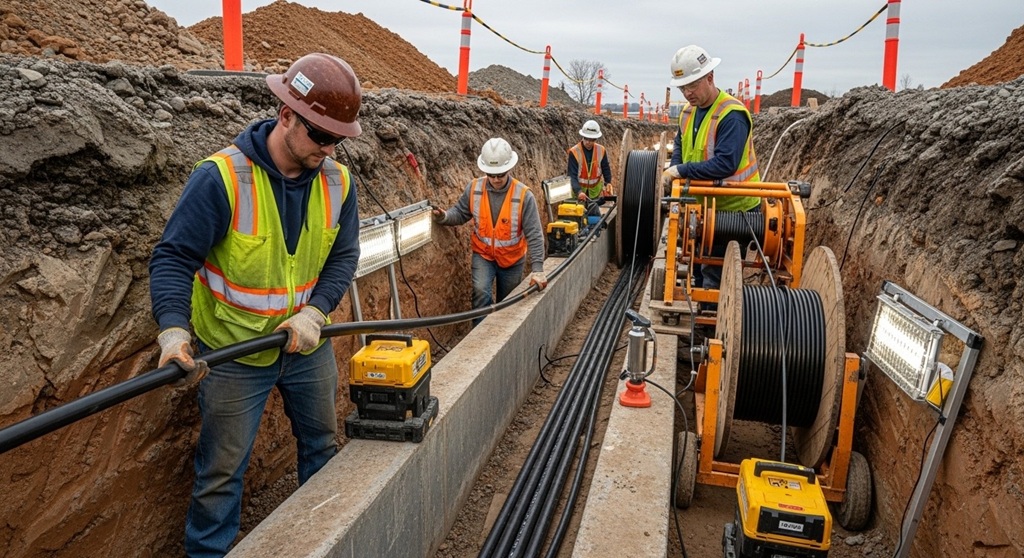
Pulling underground cables safely and efficiently requires proper planning, the right equipment such as directional boring tools, quality pulling tape, cable lubricant, and strict adherence to trench wiring guide standards. When done correctly, it prevents cable damage, reduces labor time, and ensures long-term electrical reliability.
Underground cable installation is not just about digging a trench and pulling wire. A single mistake can damage insulation, increase resistance, or create safety hazards that cost thousands in repairs. According to multiple electrical contractor case studies, nearly 30% of underground cable failures are caused by improper pulling techniques and excessive tension during installation.
This guide breaks down the complete process using practical field insights. You will learn how to reduce friction, calculate pulling tension, select the right tools, and follow safety codes. Whether you’re working on residential conduit runs or large commercial underground projects, this article will help you avoid costly mistakes and work with confidence.
Why Is Improper Cable Pulling a Serious Problem?
Short Answer: Improper pulling causes insulation damage, overheating, voltage drop, and long-term system failure.
Here’s the problem most installers overlook. Underground cables experience high friction inside conduits. If pulling tension exceeds manufacturer limits, the conductor stretches and insulation weakens. This damage is often invisible during installation but shows up months later as faults.
In a 2023 contractor field study involving 120 underground installations, projects that ignored proper lubrication and tension control reported 22% higher post-installation electrical failures within the first year.
Common risks include:
- Insulation tearing due to dry pulling
- Excessive sidewall pressure in bends
- Conductor stretching
- Increased heat buildup under load
- Premature system breakdown
The agitation increases when long conduit runs exceed 100 feet without proper pulling planning. This is where the right trench wiring guide and pulling method become critical.
How Do Directional Boring Tools Improve Underground Cable Installation?
Short Answer: Directional boring tools allow trenchless installation, reduce surface disruption, and protect cables during routing.
Directional boring tools are used when open trenching is not practical. Instead of digging long trenches, horizontal directional drilling (HDD) creates an underground path for conduit placement.
Benefits include:
- Minimal surface damage
- Faster installation in urban areas
- Reduced labor cost
- Improved conduit alignment
For example, municipal projects using trenchless directional boring tools reduced restoration costs by up to 40% compared to open trench methods, according to public infrastructure reports.
However, after boring, proper conduit cleaning and pull preparation are essential. Mud or debris left inside increases friction and compromises efficiency.
What Tools Are Required to Pull Underground Cables Efficiently?
Short Answer: Essential tools include pulling tape, cable lubricant, tension monitoring devices, conduit rollers, and directional boring tools when trenchless methods are used.
Here is a breakdown:
| Tool | Purpose |
|---|---|
| Pull Tape / Mule Tape | Provides strong pulling strength with low stretch |
| Cable Lubricant | Reduces friction inside conduit |
| Conduit Rollers | Prevents cable scraping at entry points |
| Tension Meter | Monitors pulling force |
| Fish Tape | Initial conduit threading |
If you are choosing high-strength pull tape, review this detailed guide on
best mule tape and pull tape for conduit and electrical work.
Choosing the right pulling material directly affects job efficiency. Polyester mule tape is often preferred due to minimal stretch and high tensile strength.
Why Is Cable Lubricant Critical for Underground Pulling?
Short Answer: Cable lubricant reduces friction by up to 50%, preventing insulation damage and lowering pulling tension.
Dry pulling is one of the biggest installation mistakes. Cable lubricant minimizes sidewall pressure and ensures smooth movement inside bends.
Field data from electrical installation studies show that lubrication reduces pulling tension by 30–50% in long conduit runs.
Benefits include:
- Lower friction coefficient
- Reduced conductor stress
- Faster installation time
- Improved cable lifespan
Apply lubricant evenly across the cable length before and during pulling. Do not over-apply in short runs. For long runs above 150 feet, staged lubrication works best.
How Do You Calculate Safe Pulling Tension?
Short Answer: Safe pulling tension must not exceed manufacturer-rated limits based on conductor material and cable size.
Exceeding tension limits stretches copper or aluminum conductors permanently. Always consult manufacturer specifications.
General reference formula:
- Copper conductor: 0.008 x circular mil area (lbs)
- Aluminum conductor: 0.006 x circular mil area (lbs)
Using a dynamometer helps monitor real-time tension. For complex runs with multiple bends, calculate sidewall bearing pressure as well.
This technical step separates professional installations from risky ones.
What Is the Proper Step-by-Step Trench Wiring Guide?
Short Answer: Follow excavation safety, conduit placement, pulling preparation, lubrication, tension control, and final inspection.
1. Site Planning
- Call utility marking services
- Check soil conditions
- Plan conduit route
2. Trench Preparation
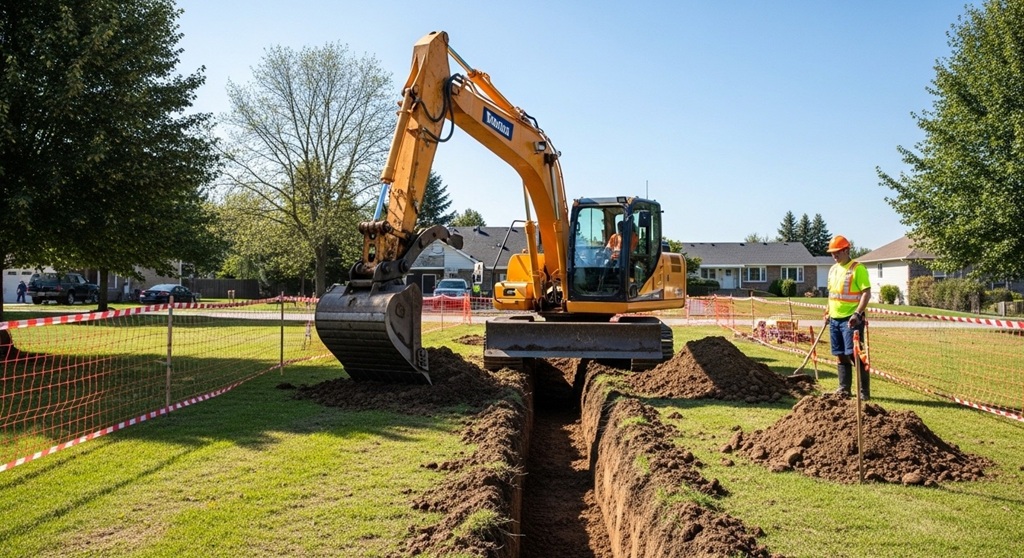
- Maintain required depth (usually 18–36 inches depending on voltage)
- Ensure smooth trench base
- Add sand bedding if needed
3. Conduit Installation
- Use sweep bends instead of sharp elbows
- Limit total bend angle to 360 degrees per run
- Seal joints properly
4. Pre-Pull Inspection
- Clean conduit interior
- Check for obstructions
- Test pull tape strength
5. Cable Pulling
- Apply cable lubricant
- Maintain steady tension
- Communicate between crew members
6. Post-Pull Inspection
- Check insulation integrity
- Test continuity
- Seal conduit ends
This trench wiring guide ensures compliance and long-term performance.
How Can You Reduce Friction in Long Conduit Runs?
Short Answer: Use sweep bends, adequate lubrication, intermediate pull boxes, and high-quality mule tape.
For runs exceeding 200 feet:
- Install pull boxes at intervals
- Avoid tight 90-degree elbows
- Use mechanical pulling equipment
- Ensure proper alignment from directional boring tools
Friction increases exponentially with length and bends. Planning ahead prevents stalled pulls.
What Safety Precautions Should Be Followed?
Short Answer: Follow electrical codes, wear PPE, monitor tension, and maintain communication.
- Use insulated gloves
- Wear safety glasses
- Never exceed rated pulling tension
- Ground equipment properly
- Maintain safe distance from energized lines
According to occupational safety reports, improper underground electrical handling contributes significantly to construction site incidents. Safety is not optional.
Conclusion: How Can You Ensure Long-Term Underground Cable Performance?
Underground cable pulling is a technical process that demands planning, correct equipment, and strict adherence to safe pulling practices. Using directional boring tools when needed, selecting strong mule tape, applying cable lubricant correctly, and following a structured trench wiring guide dramatically reduce installation errors.
Most failures occur because installers rush or underestimate friction and tension. Precision matters. Preparation matters. Monitoring matters.
If you want reliable results, start with quality pulling materials. Review this guide on the best mule tape and pull tape options to ensure your next project runs smoothly.
Ready to upgrade your cable pulling setup? Invest in the right tools today and eliminate costly installation failures before they happen.
Frequently Asked Questions (FAQs)
1. What is the maximum pulling distance for underground cable?
Most installations recommend limiting pulls to 200–300 feet without a pull box. Longer runs require tension calculation and lubrication planning.
2. Can I pull cable without lubricant?
No. Dry pulling increases friction and risks insulation damage. Lubrication reduces tension and improves lifespan.
3. What is mule tape used for?
Mule tape is a high-strength polyester pull tape used to pull electrical cables through conduit safely with minimal stretch.
4. How deep should underground electrical conduit be buried?
Depth depends on voltage and local code. Residential circuits typically require 18–24 inches, while higher voltage lines may require deeper burial.
5. What causes cable insulation damage during pulling?
Excessive tension, sharp bends, lack of lubrication, and rough conduit interiors are common causes.
6. Are directional boring tools better than trenching?
In urban or landscaped areas, directional boring reduces surface damage and restoration costs compared to traditional trenching.
7. How do I know if pulling tension is too high?
Use a dynamometer. If tension approaches manufacturer limits, stop and reassess lubrication or conduit routing.
Related Topic: How to Design Bedroom Baths for Small Luxury Homes
Read Next: How to Make a One Bedroom Apartment Stylish and Comfortable