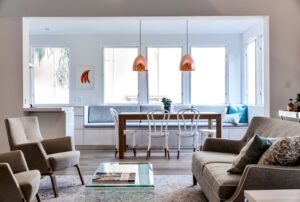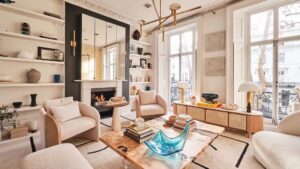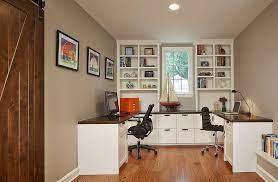




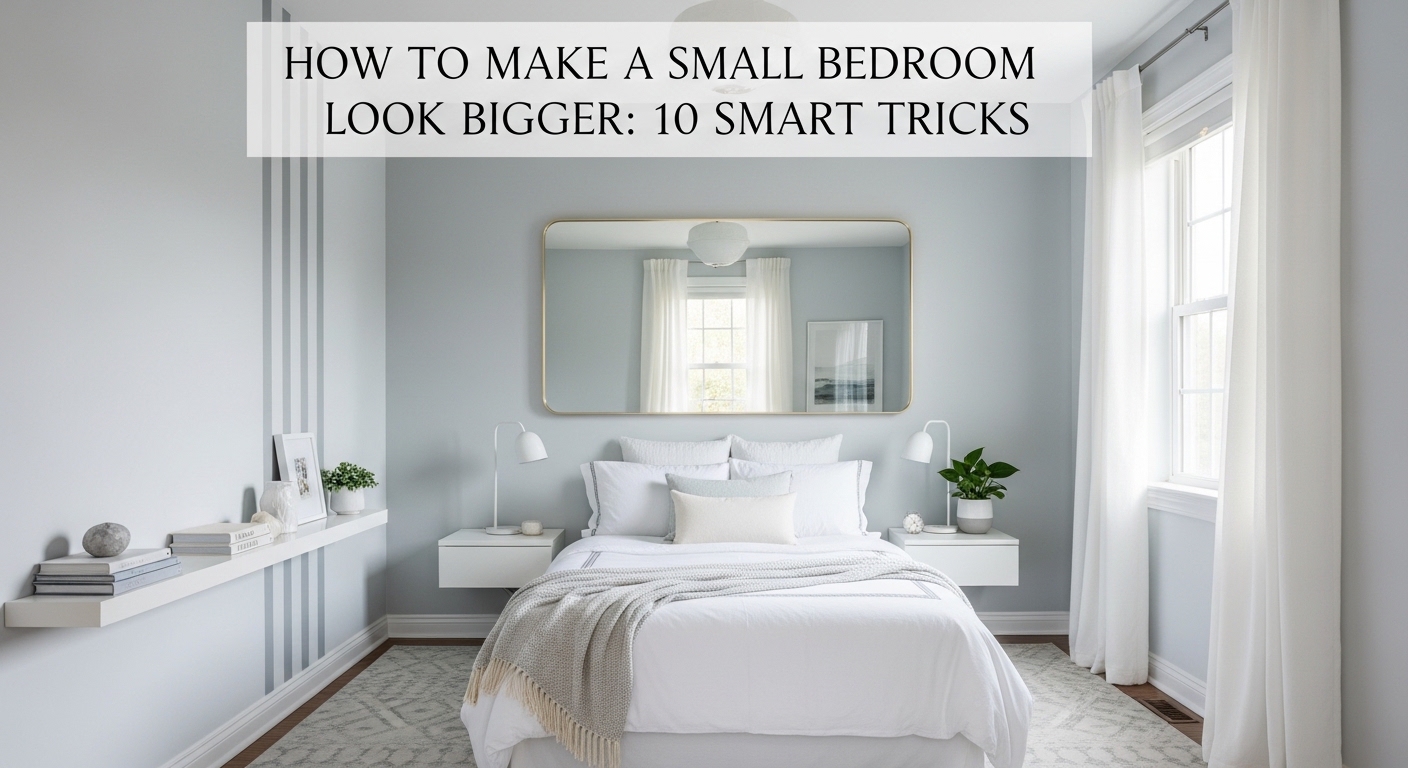
Mixing old and new furniture sounds simple. In reality, most homes end up looking mismatched instead of intentional. A vintage chair next to a modern sofa can feel disconnected. A rustic table beside glossy cabinets can feel awkward instead of stylish.
This happens because people combine pieces without understanding proportion, color relationships, material balance, and visual hierarchy. Designers follow repeatable rules when blending styles. Once you know those rules, mixing eras becomes predictable instead of risky.
This guide explains how professionals combine antique, mid-century, and modern furniture into cohesive interiors that feel curated rather than accidental.
Why does mixing old and new furniture create better interiors?
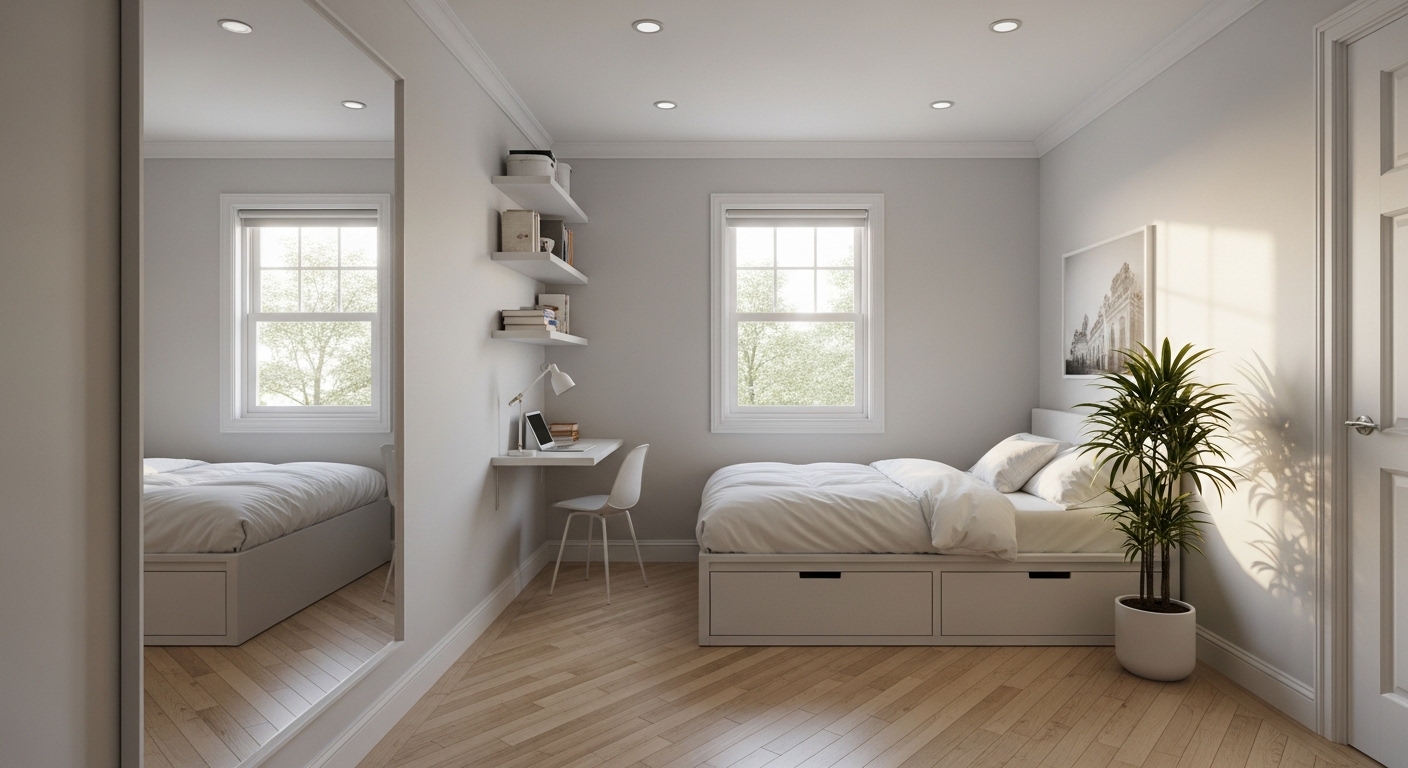
Mixing old and new furniture creates layered interiors that feel intentional rather than flat. Combining eras adds contrast, highlights craftsmanship, improves visual balance, prevents showroom-style uniformity, and allows personal storytelling. The result is a timeless space that feels curated instead of temporary or trend-driven.
Snippet Answer: Mixing old and new furniture creates depth, balance, and personality in a room. Combining vintage and modern pieces prevents spaces from looking flat or staged. It highlights craftsmanship, introduces contrast, supports timeless design, and allows homeowners to express identity while maintaining visual harmony.
Rooms furnished in a single style often feel predictable. Matching sets remove visual tension, which makes spaces appear staged instead of lived-in.
Older furniture introduces texture and history. New furniture introduces efficiency and clean structure. Together, they create contrast that keeps rooms interesting.
Professional designers rarely decorate using one era only. Instead, they combine:
- One anchor piece from the past
- Functional modern seating
- Neutral transitional lighting
- Layered accessories from multiple periods
This approach ensures interiors stay relevant even as trends change.
How do designers choose which furniture pieces to mix?
Designers mix furniture by selecting one dominant style, one supporting contrast piece, and one neutral connector element. This structure prevents visual chaos while maintaining character. The dominant piece anchors the room, the contrast piece adds personality, and the connector ensures cohesion.
Start with a primary visual anchor. This could be a vintage wooden cabinet, modern sectional sofa, or mid-century dining table.
Then introduce contrast intentionally. For example:
- Modern sofa + antique coffee table
- Vintage dresser + contemporary mirror
- Classic armchair + minimalist floor lamp
Finally, connect them with neutral bridging elements such as rugs, textiles, or lighting.
This three-layer method prevents accidental mismatching. Instead, it creates structured contrast.
A useful rule professionals follow is the 80/20 balance principle. About 80% of furniture should belong to one style direction, while 20% introduces contrast.
This maintains harmony while still allowing visual interest.
How can color unify furniture from different eras?
Color unifies mixed furniture styles by creating visual continuity across contrasting shapes and materials. Using repeated tones, neutral palettes, or coordinated undertones ensures antique and modern pieces feel connected rather than separate, allowing multiple eras to coexist naturally inside one cohesive design scheme.
Color is the strongest tool for blending styles.
If furniture shares undertones, the room automatically feels coordinated.
For example:
- Warm walnut wood pairs with beige upholstery
- Black metal matches matte lighting fixtures
- Soft white paint connects vintage and modern cabinetry
Even bold contrast works if repeated intentionally.
A reliable designer strategy is repeating one color at least three times across the room. This builds rhythm.
Neutral palettes simplify mixing dramatically. Recommended base colors include:
- Warm white
- Soft gray
- Natural wood tones
- Charcoal accents
Once a neutral foundation exists, adding antique or modern statement pieces becomes easier.
Which materials work best when combining old and new furniture?
Material contrast helps blend furniture styles by balancing texture and structure. Combining wood, metal, glass, and upholstery creates depth while preventing visual monotony. Successful interiors repeat at least one shared material element to connect traditional craftsmanship with modern finishes.
Material selection determines whether mixed furniture looks intentional.
Here is a comparison designers often use when balancing materials:
| Traditional Material | Modern Pairing Material | Resulting Effect |
|---|---|---|
| Solid wood | Matte metal | Warm-meets-industrial balance |
| Leather | Glass | Classic-meets-light contrast |
| Stone | Fabric upholstery | Textural layering |
| Brass | Black steel | Vintage-meets-modern structure |
Repeating one material twice creates continuity.
Example:
A walnut dining table connects visually with walnut picture frames or shelving.
This repetition transforms contrast into cohesion.
How do you balance proportions between vintage and modern pieces?
Balancing proportions ensures mixed furniture styles feel harmonious instead of competing. Matching visual weight, height alignment, and spacing prevents antique statement pieces from overpowering minimalist furniture while allowing both styles to coexist naturally within a unified layout.
Older furniture is often heavier and more detailed.
Modern furniture is usually lighter and simpler.
If proportions are ignored, rooms feel unstable.
To fix this, follow three rules:
- Match seat heights whenever possible
- Align tabletop levels across surfaces
- Balance large pieces with open negative space
For example:
A bulky antique cabinet pairs best with slim lighting and neutral walls.
This prevents visual overload.
Spacing matters as much as size. Leaving breathing room around vintage furniture helps it function as a focal point instead of clutter.
What role do accessories play in connecting furniture styles?
Accessories connect mixed furniture styles by repeating shapes, materials, and colors across different design eras. Rugs, lighting, textiles, and artwork act as visual bridges that unify antique and modern pieces while maintaining balance and preventing stylistic fragmentation.
Accessories are the easiest way to unify a room.
They require no structural changes.
Use transitional accessories such as:
- Neutral woven rugs
- Ceramic vases
- Framed black-and-white artwork
- Textured throw blankets
Lighting is especially powerful.
A modern pendant above a vintage dining table instantly connects eras.
Similarly, a classic table lamp beside a minimalist sofa softens sharp lines.
Accessories should repeat at least one shared feature:
- Color tone
- Material type
- Shape language
This repetition builds cohesion across styles.
How can layout planning make mixed furniture look intentional?
Strategic layout planning ensures mixed furniture styles feel curated rather than random. Grouping pieces by function, aligning focal points, and maintaining visual flow allows different eras to coexist naturally while preserving balance and usability throughout the room.
Arrangement determines whether contrast feels professional or accidental.
Start by identifying the room’s focal point.
This could be:
- A fireplace
- A statement sofa
- A vintage cabinet
- A feature wall
Once identified, organize surrounding furniture around that anchor.
Next, create visual triangles between major pieces.
Example:
Place a sofa opposite a vintage chair, then connect them with a shared coffee table.
This triangular structure stabilizes the layout.
Finally, maintain consistent spacing between furniture items. Equal spacing creates rhythm.
Rhythm makes mixed interiors feel intentional.
What mistakes should you avoid when mixing furniture styles?
Common mistakes when mixing furniture styles include combining too many eras, ignoring scale relationships, mismatching undertones, and skipping visual connectors like rugs or lighting. Avoiding these errors ensures mixed interiors remain cohesive, balanced, and professionally styled rather than cluttered or inconsistent.
The most frequent mistake is mixing without a plan.
Too many statement pieces compete for attention.
Avoid these common errors:
- Combining more than three furniture styles
- Ignoring color undertones
- Using mismatched wood finishes randomly
- Overcrowding antique statement furniture
Instead, choose one dominant style and support it with contrast accents.
This creates hierarchy.
Hierarchy creates harmony.
Conclusion: How can you mix furniture styles confidently?
Mixing old and new furniture works when contrast follows structure instead of guesswork. Start with one dominant style. Add a supporting contrast piece. Connect them using shared colors, materials, and accessories.
Balance proportions carefully. Repeat tones across the room. Use layout planning to create rhythm and alignment.
These strategies transform mismatched furniture into curated interiors that feel intentional and timeless.
Instead of replacing existing pieces, evaluate what you already own. Identify anchor furniture. Add connectors. Adjust layout spacing. Introduce transitional accessories.
With these steps, any home can achieve designer-level layering without expensive renovations.
Start by selecting one vintage or modern statement piece today and build the room around it.
Frequently Asked Questions
Can you mix antique and modern furniture in the same room?
Yes. Mixing antique and modern furniture creates contrast and depth. Use shared colors, similar heights, and repeated materials to connect pieces visually so they feel intentional rather than mismatched.
What is the easiest way to blend furniture from different eras?
The easiest method is repeating one color or material across multiple pieces. Rugs, lighting, and textiles act as connectors that unify vintage and modern furniture.
How many furniture styles should be mixed in one space?
Limit combinations to two or three styles. More than three creates visual clutter and weakens cohesion across the room.
Do wood tones need to match when mixing furniture?
Wood tones do not need to match exactly. They should share warm or cool undertones so they feel coordinated rather than conflicting.
Can modern sofas work with traditional tables?
Yes. Balance them using similar heights, complementary materials, or shared accessories like rugs and lighting to create harmony.
Is mixing furniture styles suitable for small rooms?
Yes. Use one dominant style and one accent style. Keep spacing consistent to avoid visual overcrowding.
What accessory connects mixed furniture fastest?
A neutral area rug connects mixed furniture instantly by anchoring pieces within one visual zone.
Read More Also: How to Make a One Bedroom Apartment Stylish and Comfortable
Learn More: How to Design Bedroom Baths for Small Luxury Homes