



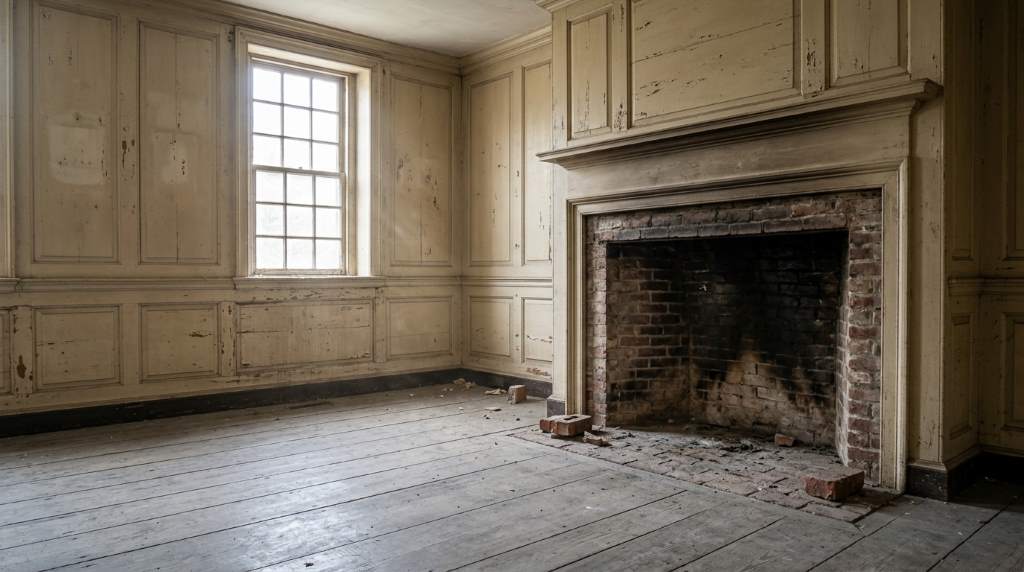
Colonial homes remain among Philadelphia’s most admired residential styles because they combine timeless architecture with lasting craftsmanship. Recent housing reports show that older homes continue attracting renovation investments, while energy efficient upgrades increase long term property value. Therefore, careful planning helps preserve original beauty without sacrificing comfort. Homeowners often begin with historic plaster ceiling restoration before updating surrounding interior spaces.
Successful renovations respect traditional design while introducing practical improvements for everyday living. This guide explains smart renovation strategies, room by room improvements, and preservation tips that create beautiful Colonial interiors with modern convenience. Each recommendation supports lasting value while maintaining the home’s authentic character.
Understand the Original Character Before Renovating
Every Colonial home tells a different story through architectural details, floor plans, and handcrafted finishes. Therefore, documenting existing features prevents accidental removal of valuable historical elements during renovation.
Original wood trim, crown molding, fireplaces, and staircases deserve careful inspection before construction begins. Meanwhile, exploring free interior design software allows homeowners to visualize improvements before making permanent decisions.
Focus first on preserving structural features that define Colonial architecture. Decorative details can always receive updates without sacrificing historical authenticity.
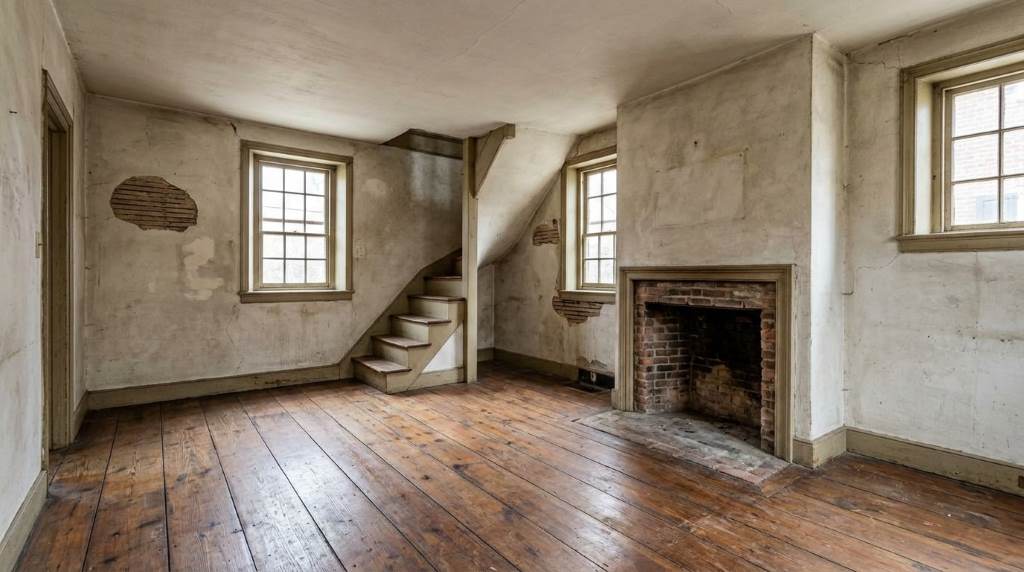
Features Worth Preserving
- Solid hardwood flooring
- Original fireplaces
- Wood paneling
- Decorative moldings
- Built in cabinetry
- Traditional stair railings
Create a Renovation Plan That Respects Colonial Style
A detailed renovation plan prevents costly design changes after construction begins. Additionally, realistic budgeting keeps every project phase organized and manageable.
Each room should balance historical charm with daily functionality for modern lifestyles. Likewise, learning about your inner interior designer helps homeowners make confident decorating decisions throughout the renovation.
Prioritize safety improvements before cosmetic upgrades whenever possible. This approach creates a stronger foundation for every future design investment.
Planning Priorities
- Structural inspection
- Electrical updates
- Plumbing improvements
- Insulation upgrades
- Interior finishes
- Decorative accessories
Preserve Historic Details While Expanding Interior Comfort
Colonial interiors often feature smaller rooms than many modern homes. However, thoughtful design choices create brighter and more welcoming living spaces without removing original character.
Natural lighting, coordinated color palettes, and improved furniture placement dramatically increase visual openness. Furthermore, inspiration from design spacious interiors offers practical ideas for maximizing available space.
Whenever possible, avoid removing major load bearing walls during renovations. Instead, emphasize architectural details that naturally guide movement between connected rooms.
Select Traditional Colors and Materials
Color selection strongly influences the atmosphere inside Colonial homes. Therefore, warm neutrals and historically inspired shades create timeless interiors that never feel outdated.
Natural materials strengthen the traditional appearance while improving long term durability. Wood, brick, stone, and quality plaster remain excellent renovation choices for Colonial interiors.
Avoid highly reflective finishes throughout traditional spaces whenever practical. Soft textures create comfortable environments while complementing original architectural craftsmanship.
Recommended Color Choices
- Cream white
- Warm beige
- Soft sage green
- Deep navy
- Muted burgundy
- Classic charcoal gray
Upgrade Flooring Without Losing Authentic Appeal
Original hardwood flooring deserves restoration whenever its condition allows professional repair. Consequently, refinishing existing boards usually preserves greater historical value than complete replacement.
Matching reclaimed hardwood creates seamless repairs where damaged sections require replacement. Area rugs also protect restored flooring while adding warmth throughout living spaces.
Engineered hardwood provides another attractive solution in moisture sensitive areas. However, choose finishes that closely resemble traditional Colonial wood tones.
Modernize the Kitchen With Timeless Design
Kitchen renovations offer one of the highest returns for Colonial homeowners. Nevertheless, traditional cabinetry and classic layouts maintain architectural consistency throughout the home.
Shaker cabinets, natural stone countertops, and brass hardware blend beautifully with Colonial interiors. Likewise, concealed appliances preserve the room’s traditional appearance while providing modern performance.
Open shelving should remain limited because enclosed cabinetry better reflects Colonial design traditions. Balanced proportions also help maintain visual harmony throughout the kitchen.
Refresh Bathrooms With Classic Materials
Bathrooms should combine modern comfort with traditional styling that complements surrounding rooms. Therefore, timeless finishes create attractive spaces that remain stylish for many years.
Marble inspired tile, porcelain fixtures, and polished nickel hardware work exceptionally well together. Soft lighting also improves comfort while highlighting elegant design features.
Storage solutions should remain practical without overwhelming smaller Colonial bathrooms. Built in cabinetry often delivers efficient organization while preserving visual balance.
Improve Lighting Throughout the Interior
Many Colonial homes originally relied upon limited natural lighting throughout interior spaces. Fortunately, layered lighting solutions dramatically improve comfort without changing architectural character.
Install recessed lighting carefully where ceiling details remain unaffected by construction. Decorative sconces and traditional chandeliers also enhance the home’s historical atmosphere.
Warm white lighting creates inviting rooms while emphasizing beautiful wood finishes. Consistent lighting temperatures maintain visual continuity across connected living spaces.
Increase Energy Efficiency Carefully
Energy improvements reduce monthly utility costs while protecting valuable building materials from moisture damage. Therefore, thoughtful upgrades benefit both comfort and preservation goals.
Replace aging insulation where accessible without disturbing decorative architectural features. Modern windows with traditional profiles also improve efficiency while respecting Colonial aesthetics.
Professional air sealing minimizes drafts throughout older homes with minimal visual impact. These improvements create comfortable interiors during every season.
Decorate With Authentic Colonial Inspiration
Furniture should complement architectural details instead of competing for visual attention. Consequently, balanced arrangements create comfortable living spaces with timeless appeal.
Traditional artwork, woven textiles, antique mirrors, and handcrafted accessories reinforce Colonial character beautifully. Mixing old and new furnishings also creates welcoming interiors with personal style.
Limit decorative clutter because simple arrangements better showcase original architectural craftsmanship. Every decorative element should support the home’s overall historical identity.
Common Renovation Mistakes to Avoid
Some renovations unintentionally remove features that make Colonial homes truly valuable. Therefore, careful planning helps homeowners avoid expensive restoration work later.
- Removing original woodwork unnecessarily
- Using oversized modern fixtures
- Ignoring structural inspections
- Choosing incompatible flooring materials
- Overlooking moisture problems
- Replacing instead of restoring quality craftsmanship
Experienced professionals understand how preservation and modernization work together successfully. Their guidance often protects both property value and architectural integrity.
Conclusion
Renovating Philadelphia, PA Colonial interiors requires thoughtful planning, quality craftsmanship, and respect for original architectural details. Modern improvements become far more successful when they complement traditional design instead of replacing it completely.
Start with a detailed renovation strategy, preserve valuable historical features, and invest in quality materials that stand the test of time. Careful decisions today will create beautiful Colonial interiors that your family can enjoy for many years.
Frequently Asked Questions
How long does a Colonial interior renovation usually take?
Most complete interior renovations require several months depending on project size and structural work.
Should original hardwood floors always be restored?
Yes, restoration is usually the preferred option when the flooring remains structurally sound.
What colors work best inside Colonial homes?
Warm neutral colors and historically inspired shades complement Colonial architecture beautifully.
Can modern kitchens fit inside Colonial homes?
Yes, traditional cabinetry and timeless finishes blend modern function with classic Colonial style.
Why should historical features remain during renovations?
Preserved architectural details protect the home’s character while supporting long term property value.