
Ice dams cause serious problems for homeowners during winter months. These thick ridges of ice form along roof edges and prevent melting snow from draining properly. Water backs up behind the dam and seeps under shingles, leading to expensive damage inside your home. Understanding how roof replacement can prevent ice dams helps you protect your investment and avoid costly repairs.
Understanding Ice Dams and Their Formation
Ice dams develop when heat escapes through your roof and melts snow on upper sections. The melted water flows down toward colder eaves and refreezes. This cycle continues, building up ice that blocks proper drainage. Eventually, water pools behind these ice barriers and finds ways into your home through tiny gaps in roofing materials.
Several factors contribute to ice dam formation. Poor attic insulation allows warm air to escape and heat your roof surface. Additionally, inadequate ventilation traps heat in attic spaces. These conditions create perfect environments for ice dams to develop and cause damage.
Essential Roofing Materials for Ice Dam Prevention
Choosing the right materials during roof replacement makes a significant difference in preventing ice dams. Modern roofing products offer better protection than older alternatives. Therefore, selecting appropriate materials should be a top priority for any replacement project.
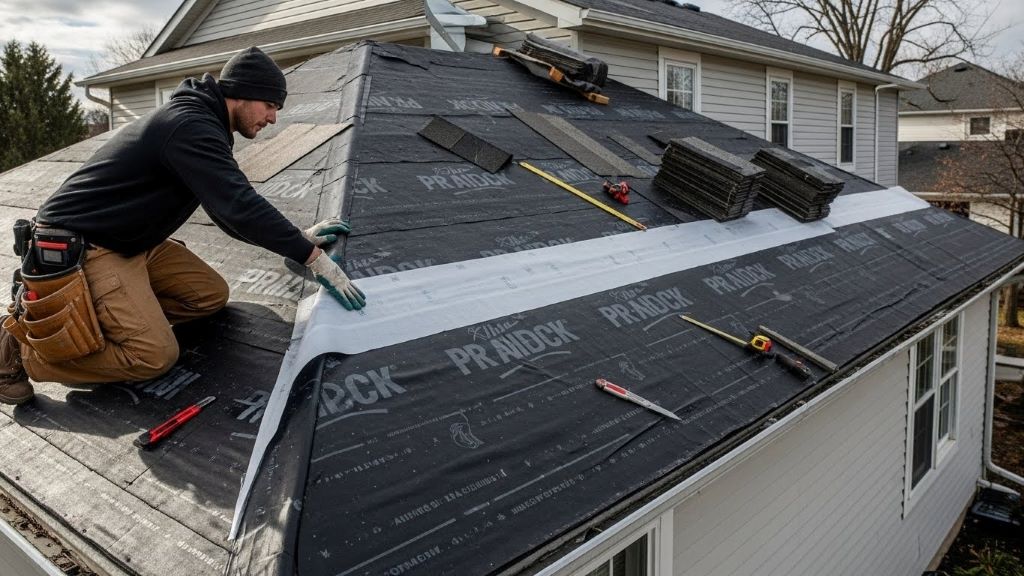
Ice and water shield membranes provide excellent protection along vulnerable roof edges. These self-adhering waterproof barriers extend at least three feet up from the edge. They create a watertight seal that prevents water infiltration even when ice dams form. Most building codes now require these membranes in cold climate regions.
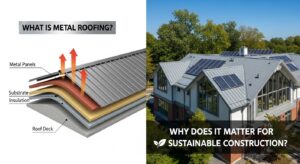
Metal roofing offers another effective solution for ice dam prevention. The smooth surface allows snow to slide off more easily before ice dams can develop. However, proper installation remains crucial for maximum effectiveness. Metal roofs also last longer than traditional asphalt shingles, providing decades of reliable protection.
Proper Ventilation Systems
Adequate roof ventilation plays a critical role in preventing ice dams. Proper airflow keeps roof temperatures consistent and prevents uneven melting patterns. A well-designed ventilation system includes both intake and exhaust vents working together.
Ridge vents installed along roof peaks allow warm air to escape naturally. Meanwhile, soffit vents near eaves provide fresh air intake. This continuous airflow maintains cooler roof temperatures and reduces ice dam risk significantly. Balanced ventilation ensures air circulates properly throughout your attic space.
Furthermore, baffles installed between rafters maintain clear air channels. These channels prevent insulation from blocking airflow pathways. Proper baffle installation ensures ventilation systems function as designed for optimal ice dam prevention.
Insulation Improvements During Replacement
Upgrading attic insulation during roof replacement dramatically reduces ice dam formation. Better insulation keeps heat inside your living spaces instead of escaping through the roof. This temperature control prevents the melting and refreezing cycle that creates ice dams.
Modern insulation materials offer superior performance compared to older products. Spray foam insulation creates excellent air seals and provides high insulation values. Additionally, blown-in cellulose or fiberglass fills gaps effectively and covers irregular spaces thoroughly.
Achieving proper insulation levels requires meeting or exceeding recommended R-values for your climate zone. Most cold climate regions need R-38 to R-60 in attic spaces. Professional installation ensures complete coverage without gaps that allow heat escape.
Installing Heat Cables and De-Icing Systems
Heat cables provide an additional layer of protection against ice dam formation. These electrical heating elements install along roof edges and in gutters. They create channels for water to drain even during freezing conditions.
However, heat cables work best as supplementary protection rather than primary prevention. They consume electricity and require proper installation for safe operation. Self-regulating cables adjust output based on temperature and offer more efficient performance than constant-wattage alternatives.
Strategic placement maximizes heat cable effectiveness. Installing them in zigzag patterns along eaves creates multiple drainage pathways. Additionally, extending cables into downspouts prevents freezing in these critical drainage points.
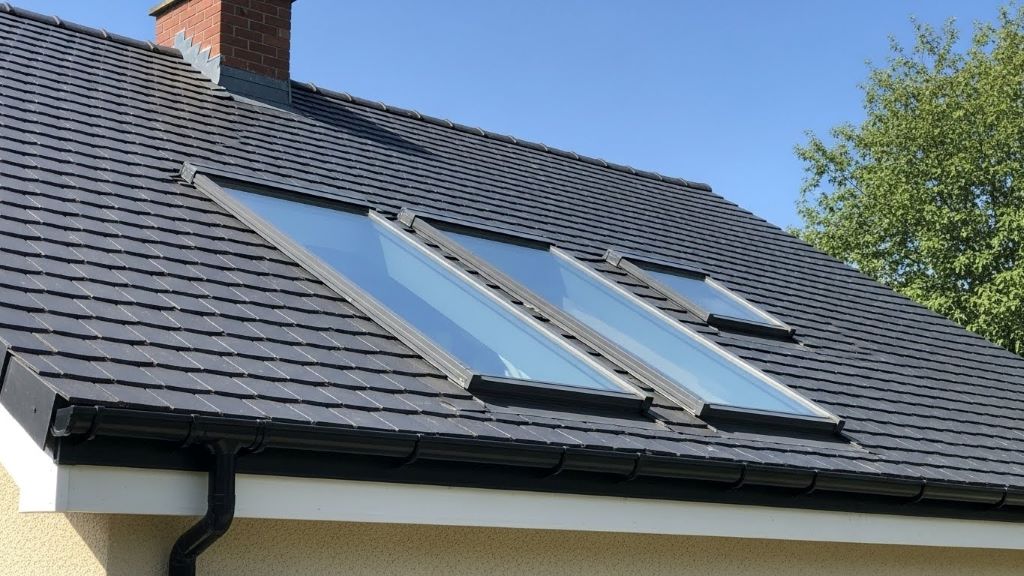
Gutter Considerations for Ice Dam Prevention
Gutter systems play an important role in managing water flow and preventing ice dams. During roof replacement, evaluating and upgrading gutters makes practical sense. Properly functioning gutters direct water away from your home’s foundation and reduce ice buildup.
Wider gutters handle larger water volumes more effectively than standard sizes. Six-inch gutters move water faster and reduce overflow risks during heavy snow melts. Therefore, upgrading to larger gutters during roof replacement provides long-term benefits.
Gutter guards keep leaves and debris from clogging drainage systems. Clean gutters flow freely and reduce ice dam formation opportunities. Various guard styles exist, so choosing products suited to your climate ensures optimal performance throughout winter months.
According to This Old House, proper attic insulation and ventilation are the most effective long-term solutions for preventing ice dams. These preventive measures address root causes rather than symptoms.
Professional Installation Standards
Professional installation ensures all ice dam prevention measures work together effectively. Experienced contractors understand how different components interact and affect overall performance. Therefore, hiring qualified professionals for roof replacement projects protects your investment.
Reputable contractors follow manufacturer specifications and local building codes. They understand proper flashing techniques around chimneys, valleys, and other vulnerable areas. These details make the difference between adequate protection and complete ice dam prevention.
Furthermore, professional installers carry appropriate insurance and warranties. This coverage protects homeowners if problems develop after installation. Quality workmanship backed by guarantees provides peace of mind throughout your roof’s lifespan.
Timing Your Roof Replacement
Scheduling roof replacement at the right time maximizes ice dam prevention benefits. Spring and fall offer ideal weather conditions for roofing projects. These seasons provide comfortable temperatures and typically dry conditions for proper material installation.
However, winter roof replacement remains possible in many situations. Emergency repairs cannot wait for perfect weather conditions. Modern materials and experienced contractors can complete quality installations even during colder months when necessary.
Planning ahead allows you to schedule replacement during optimal seasons. Additionally, off-season scheduling might offer cost advantages through contractor discounts. Early planning gives you time to research options and make informed decisions about materials and contractors.
Long-Term Maintenance After Replacement
Maintaining your new roof ensures continued ice dam prevention effectiveness. Regular inspections identify potential problems before they become serious issues. Annual checkups allow you to address minor concerns promptly and preserve your roof’s protective capabilities.
Removing snow from roof edges reduces ice dam formation risks. However, safe removal requires proper tools and techniques to avoid damaging roofing materials. Professional snow removal services provide safe alternatives for homeowners uncomfortable working on roofs.
Monitoring attic conditions helps you spot ventilation or insulation problems early. Checking for frost buildup or excessive heat indicates potential issues requiring attention. Addressing these concerns quickly maintains your ice dam prevention systems at peak effectiveness.
Conclusion
Roof replacement offers an excellent opportunity to implement comprehensive ice dam prevention methods. Combining quality materials, proper ventilation, adequate insulation, and professional installation creates effective protection against winter’s challenges. These preventive measures work together to maintain consistent roof temperatures and prevent the melting and refreezing cycles that cause ice dams. Investing in proper ice dam prevention during roof replacement protects your home from water damage, extends your roof’s lifespan, and provides peace of mind throughout winter months. Therefore, working with experienced contractors who understand these prevention strategies ensures your new roof delivers maximum protection for years to come.
Frequently Asked Questions
How much does ice dam prevention add to roof replacement costs?
Ice dam prevention measures typically add 10-20% to total roof replacement costs. This includes upgraded insulation, ventilation improvements, ice and water shield membranes, and quality materials. However, these investments prevent expensive water damage repairs and extend your roof’s lifespan significantly.
Can ice dams damage a brand new roof?
Yes, ice dams can damage even new roofs if proper prevention measures are not implemented. Water backing up behind ice dams seeps under shingles and causes leaks regardless of roof age. Proper installation with ice and water shield protection prevents this damage.
How long do ice dam prevention measures last?
Quality ice dam prevention measures installed during roof replacement last as long as the roof itself, typically 20-30 years for asphalt shingles and 50+ years for metal roofing. Proper maintenance and periodic inspections ensure these systems continue functioning effectively throughout your roof’s lifespan.
Do metal roofs completely eliminate ice dam problems?
Metal roofs significantly reduce ice dam formation but do not guarantee complete elimination. Proper ventilation and insulation remain essential even with metal roofing. The smooth surface helps snow slide off more easily, but underlying heat issues must still be addressed for optimal results.
Should I replace my roof before or after fixing attic insulation?
Ideally, address both simultaneously during roof replacement for maximum efficiency and cost savings. This approach allows contractors to coordinate ventilation, insulation, and roofing systems properly. However, if budget constraints exist, improving insulation and ventilation before roof replacement provides immediate benefits.
Related Topics:
When Should You Replace Your Roof?
Reducing the Heat in your Conservatory this Summer – How a Roof Conversion can Benefit you