Choosing the right fishing gear can determine whether your first fishing trip becomes a relaxing hobby or a frustrating experience. Many beginners buy complicated equipment that professionals use, only to discover they don’t know how to handle it. The result is tangled lines, missed catches, and wasted money.
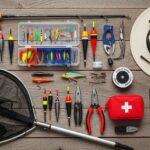
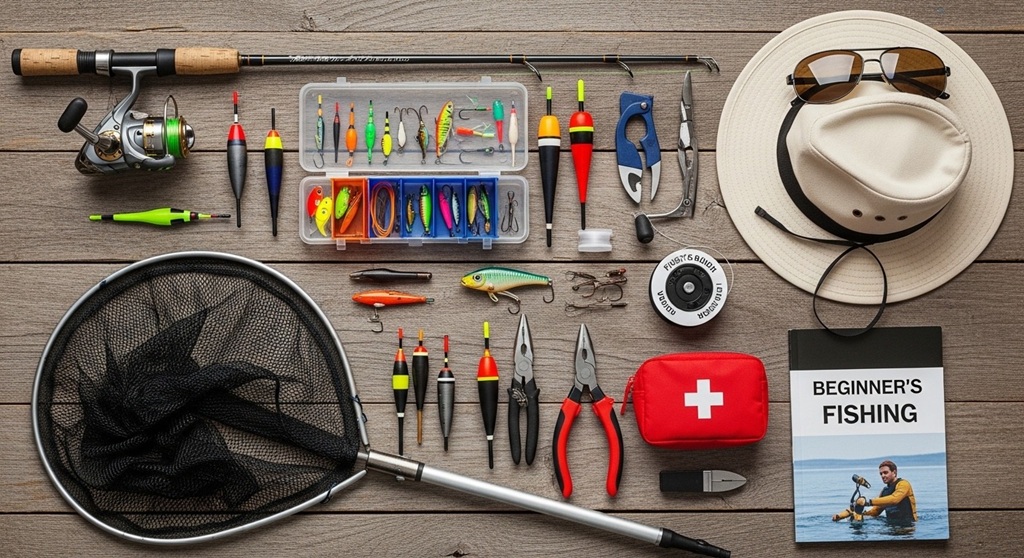
The best fishing gear for beginners is simple, reliable, and easy to use. A beginner fishing rod, a basic reel, fishing line, hooks, sinkers, and a small tackle box form the core of basic fishing equipment. With these essentials, new anglers can learn casting, baiting, and catching techniques without unnecessary complexity.
According to the American Sportfishing Association, more than 50 million Americans participate in recreational fishing each year, and many start with simple rod-and-reel setups. Surveys show beginners who start with lightweight spinning combos are more likely to continue fishing after their first season because they are easier to control.
This guide explains how to select beginner-friendly gear step by step. You will learn which rods work best, what equipment you actually need, and how to avoid common mistakes beginners make when buying fishing gear.
What Basic Fishing Equipment Do Beginners Need?
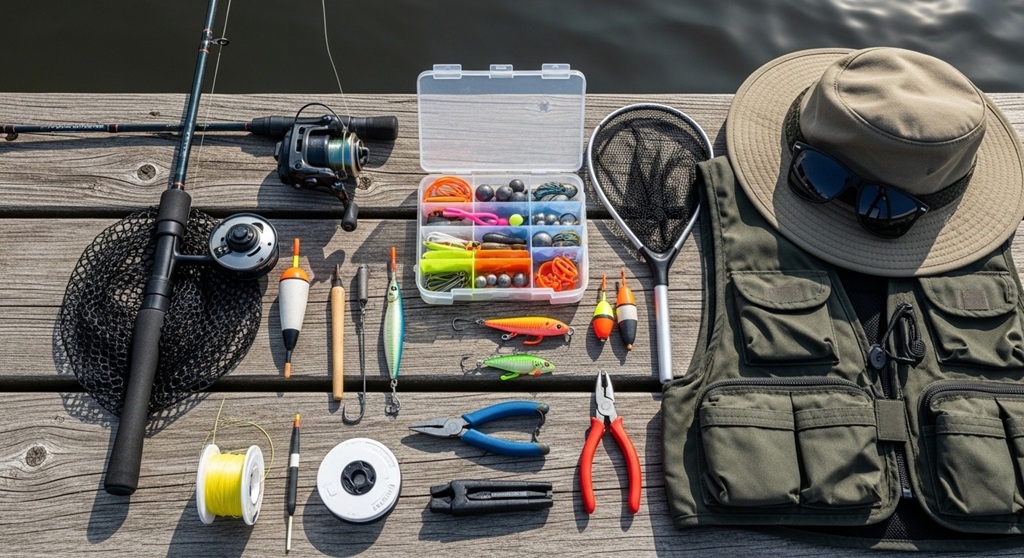
Short Answer: Beginners need a simple rod and reel combo, fishing line, hooks, sinkers, bobbers, bait, and a small tackle box.
Fishing does not require dozens of tools. In fact, starting with too much equipment can slow down the learning process. The goal is to focus on gear that helps you learn the basics: casting, line control, and bait presentation.
Essential Basic Fishing Equipment
- Beginner fishing rod and reel combo
- Monofilament fishing line (6–10 lb test)
- Fishing hooks (sizes 6–10 for small fish)
- Split shot sinkers
- Bobbers or floats
- Basic tackle box
- Live bait or artificial lures
Most beginners fish in freshwater lakes, rivers, or ponds. A simple spinning rod combo works well in these environments. These combos come pre-matched with a reel and rod, reducing setup confusion.
A study from Recreational Boating & Fishing Foundation (RBFF) found that beginner anglers who use starter kits learn casting techniques 40% faster than those who assemble gear individually.
Start small. Master the basics. Upgrade equipment only after gaining experience.
What Is the Best Beginner Fishing Rod?
Short Answer: The best beginner fishing rod is a 6–7 foot spinning rod with medium power and moderate action.
A spinning rod is widely recommended for new anglers because it is easier to control than baitcasting rods. The reel sits beneath the rod, and the line flows smoothly during casting.
Recommended Beginner Rod Specifications
| Feature | Recommended Option | Reason |
|---|---|---|
| Rod Length | 6–7 feet | Balanced casting distance and control |
| Rod Power | Medium | Handles multiple fish species |
| Rod Action | Moderate | Better flexibility for beginners |
| Material | Fiberglass or graphite | Durable and lightweight |
Many beginner fishing rods come in pre-assembled combos, which include a reel already attached. This reduces setup mistakes and allows beginners to start fishing immediately.
Fiberglass rods are slightly heavier but more durable. Graphite rods are lighter and more sensitive. For beginners, durability usually matters more than sensitivity.
Why Are Spinning Rod Combos Recommended for Beginners?
Short Answer: Spinning rod combos are recommended because they reduce casting errors and line tangles.
Fishing reels come in several types: spinning reels, baitcasting reels, and spincast reels. Among these, spinning reels are the easiest for beginners to control.
Advantages of Spinning Reels
- Simple casting technique
- Minimal backlash issues
- Works with lightweight lures
- Easy drag adjustment
According to a field test by a recreational fishing training program in Texas, beginners using spinning reels successfully cast within their first hour 70% more often than those using baitcasting reels.
The design allows the line to release freely during casting. This significantly reduces the chances of bird nests or tangled lines.
What Fishing Line Should Beginners Use?
Short Answer: Beginners should start with monofilament fishing line between 6 and 10 lb test strength.
Fishing line selection affects casting distance, knot strength, and fish control. While there are several types of fishing lines, monofilament remains the most beginner-friendly option.
Main Types of Fishing Line
| Line Type | Best For | Beginner Friendly? |
|---|---|---|
| Monofilament | General fishing | Yes |
| Braided | Heavy fish | No |
| Fluorocarbon | Clear water fishing | Moderate |
Monofilament lines stretch slightly, which helps absorb sudden fish movements. This makes it harder for beginners to lose fish during a fight.
A 6–10 lb line works well for species such as bass, trout, perch, and panfish.
What Hooks, Sinkers, and Floats Should Beginners Buy?
Short Answer: Beginners should use small hooks (sizes 6–10), split shot sinkers, and round bobbers.
These small accessories play a major role in presenting bait correctly in the water. Fortunately, beginners only need a few simple options.
Recommended Starter Setup
- Hook sizes 6–10
- Split shot sinkers
- Clip-on bobbers
- Soft plastic worms or live worms
Hooks attach the bait to the fishing line. Sinkers add weight so the bait sinks into the water. Bobbers float on the surface and signal when a fish bites.
Many starter tackle kits include these items in organized compartments, helping beginners stay organized while fishing.
How Much Should Beginners Spend on Fishing Gear?
Short Answer: Beginners can start fishing with basic gear costing between $40 and $100.
Expensive gear does not guarantee better fishing results. Most experienced anglers recommend starting with affordable equipment until you develop proper technique.
Typical Beginner Gear Budget
| Item | Average Cost |
|---|---|
| Rod and Reel Combo | $25 – $60 |
| Fishing Line | $5 – $10 |
| Hooks and Sinkers | $5 – $10 |
| Tackle Box | $10 – $20 |
Many beginner anglers upgrade equipment after their first year. Starting with simple gear helps you learn what type of fishing you enjoy before investing more money.
What Mistakes Should Beginners Avoid When Buying Fishing Gear?
Short Answer: Beginners should avoid buying complex equipment, oversized rods, and specialized gear too early.
One of the most common problems beginners face is purchasing equipment designed for experienced anglers.
Common Beginner Mistakes
- Buying baitcasting reels without experience
- Choosing rods longer than 8 feet
- Using heavy braided line too early
- Buying too many lures
- Ignoring local fishing conditions
Local fish species and water conditions influence the gear you should use. For example, lake fishing often requires lighter gear than deep sea fishing.
Learning with simple equipment improves technique and confidence faster.
Conclusion: Start Simple and Build Experience
Fishing is one of the easiest outdoor hobbies to begin, but the right gear makes the learning process smoother. A simple beginner fishing rod, a spinning reel, monofilament line, and a few essential accessories provide everything needed to catch your first fish.
Research shows that anglers who start with basic gear tend to continue fishing longer because they avoid early frustration. The key is to focus on learning the fundamentals rather than buying expensive equipment.
Start with reliable basic fishing equipment, practice casting, experiment with bait, and observe how fish respond. As your skills grow, you can gradually upgrade rods, reels, and tackle.
If you are planning your first fishing trip, choose a beginner-friendly rod combo and head to a local lake or river. The sooner you start practicing, the faster you develop real fishing skills.
Ready to begin? Get your beginner fishing setup today and experience the satisfaction of catching your first fish.
Frequently Asked Questions About Beginner Fishing Gear
1. What rod length is best for beginners?
A rod between 6 and 7 feet is ideal for beginners. This length provides enough casting distance while maintaining control and accuracy.
2. Is spinning or baitcasting better for beginners?
Spinning reels are better for beginners because they reduce line tangles and require simpler casting techniques. Most beginner fishing rods use spinning reels.
3. What type of bait should beginners use?
Live bait such as worms and minnows is highly effective for beginners because fish recognize it naturally. Soft plastic worms and basic lures are also good alternatives.
4. How strong should beginner fishing line be?
A 6–10 lb monofilament fishing line works well for most freshwater fishing situations and common species like bass and trout.
5. Do beginners need expensive fishing gear?
No. Many beginners start with rod-and-reel combos costing under $60. Skill development matters more than expensive equipment.
6. Can beginners use braided fishing line?
Braided line is strong but harder to manage. Beginners usually find monofilament easier to handle when learning knots and casting techniques.
7. What fish species are easiest for beginners to catch?
Bluegill, perch, trout, and small bass are commonly recommended for beginners because they are widely available and easier to catch with basic fishing equipment.
Read More Also: How to Design Bedroom Baths for Small Luxury Homes
Find out: How to Make a One Bedroom Apartment Stylish and Comfortable