




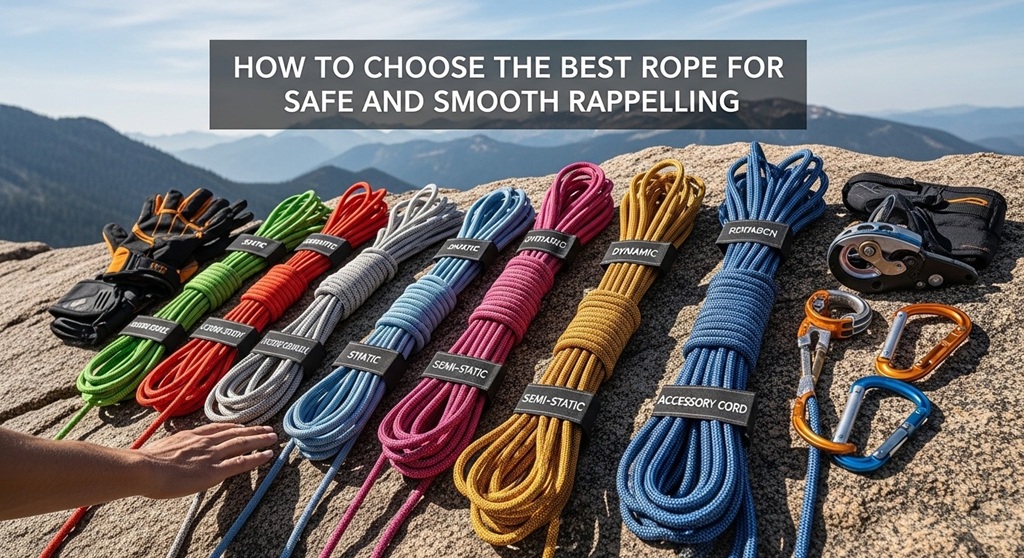
Choosing the best rope for safe and smooth rappelling is not about brand hype. It’s about diameter, strength rating, certification, sheath construction, and compatibility with your belay device. A reliable rappel safety rope must meet UIAA and CE standards, offer controlled friction, and resist abrasion on rock edges. Without the right rope, descent control becomes unpredictable and risky.
Rappelling, also known as abseiling, involves descending a vertical surface using a rope and friction device. The rope is your lifeline. According to the American Alpine Club’s annual accident reports, rope-related errors remain a significant factor in climbing incidents. Many of those incidents involve improper rope selection, worn sheaths, or incompatible diameters with descent devices.
If you want smooth control, reduced rope burn, and predictable braking force, you need the right descent control rope for your terrain and skill level. In this guide, you’ll learn how to evaluate rope type, diameter, length, material, safety ratings, and real-world performance—so you can descend with confidence every time.
Why Does Rope Choice Matter for Rappel Safety?
The wrong rope increases fall risk, reduces braking control, and wears out faster under load.
Problem: Many climbers assume all climbing ropes perform the same during rappelling. They don’t. Dynamic ropes stretch under load. Static ropes stretch far less. That difference affects descent speed, friction, and anchor stress.
Agitation: Imagine descending 40 meters on a rope that stretches too much. You bounce. Your device heats up. Your grip tightens. Control decreases. In wet conditions, it gets worse. The result can be uncontrolled descent or damaged rope fibers.
Solution: Choose a rope designed for rappelling performance. Look for certified strength ratings, suitable diameter, and durable sheath construction. A purpose-built rappel safety rope improves braking consistency and reduces wear.
How Do Accident Data Support Proper Rope Selection?
According to data summarized in American Alpine Club case reviews:
- Improper rope setup is a frequent contributing factor in rappel accidents.
- Rope abrasion and edge damage increase failure risk.
- Incorrect rope length causes off-the-end incidents.
These are preventable errors. Rope choice and inspection reduce these risks significantly.
What Type of Rope Is Best for Rappelling: Dynamic or Static?
Short answer: Static or low-stretch ropes are generally better for controlled rappelling, especially in rescue, canyoning, and fixed-line descents.
Dynamic Rope
- Designed to absorb fall energy.
- Elongation: Up to 30–40% in extreme falls.
- Best for lead climbing.
Static Rope
- Minimal stretch (typically 2–5% under body weight).
- More predictable descent speed.
- Common in rescue and industrial rope access.
If your goal is smooth descent control, a static or semi-static descent control rope provides better friction consistency. However, for multi-pitch climbing where rappelling follows lead climbing, many climbers use dynamic ropes for versatility.
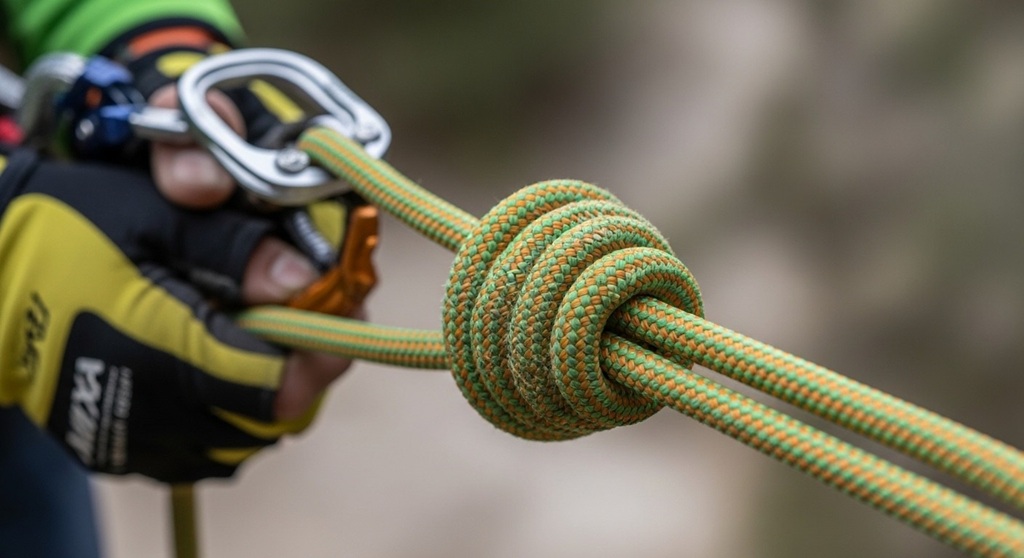
What Diameter Is Ideal for a Descent Control Rope?
Short answer: For most recreational rappelling, 9.5mm to 11mm offers a balance between control and weight.
| Diameter | Control | Weight | Best Use |
|---|---|---|---|
| 8–9mm | Lower friction | Light | Experienced users, alpine |
| 9.5–10.5mm | Balanced control | Moderate | General rappelling |
| 10.5–11mm | High friction | Heavier | Beginners, rescue |
Thicker ropes increase friction in devices like ATCs and figure-8 descenders. That means slower descent and more margin for error. Thinner ropes require advanced braking technique.
Always confirm your belay device’s compatible rope range.
How Long Should a Rappel Rope Be?
Short answer: Match rope length to route height. Standard lengths are 60m and 70m.
Most sport climbing routes are designed around 60-meter ropes. Longer routes may require 70 meters. Always tie stopper knots at the rope ends to prevent rappelling off the end.
For canyoning or rescue, fixed-length static ropes may be selected based on measured drop distances.
What Safety Ratings Should a Rappel Safety Rope Have?
Short answer: Look for UIAA and CE certification.
- UIAA: International Climbing and Mountaineering Federation testing standard.
- CE: European conformity marking for safety compliance.
Certified ropes undergo tensile strength testing, fall rating evaluation, and sheath slippage measurement.
What Is Minimum Breaking Strength?
Static ropes often have breaking strengths above 20 kN. For context:
- 1 kN ≈ 224.8 pounds of force.
- Typical body weight loads are far below maximum ratings.
The rating ensures safety margin under shock or anchor stress.
How Does Sheath Construction Affect Smooth Rappelling?
Short answer: A tighter sheath weave improves abrasion resistance and durability.
The rope consists of:
- Core: Provides strength.
- Sheath: Protects against abrasion and UV exposure.
High sheath percentage increases durability on rough rock surfaces. For repeated rappels, especially on sandstone or granite edges, abrasion resistance matters.
Inspect your rope regularly. Fuzzy sheath fibers indicate wear. Retire ropes showing flat spots or core exposure.
How Do Environmental Conditions Impact Rope Performance?
Short answer: Water, dirt, and UV exposure weaken fibers over time.
- Wet ropes increase weight and reduce handling quality.
- Sand and grit accelerate sheath abrasion.
- Prolonged sunlight degrades nylon fibers.
Many modern ropes feature dry treatment coatings to repel moisture. If you rappel in canyons or wet environments, dry-treated ropes maintain friction consistency.
What Is the Lifespan of a Descent Control Rope?
Short answer: 1–10 years depending on frequency and storage.
Manufacturers often state:
- Unused rope: Up to 10 years if stored properly.
- Frequent use: 1–3 years.
- Heavy falls or visible damage: Immediate retirement.
Keep ropes in cool, dry storage away from chemicals. Even battery acid fumes can degrade nylon.
How Can You Test a Rope Before Rappelling?
Short answer: Conduct visual inspection, tactile check, and device compatibility test.
- Run rope through hands to detect flat spots.
- Check for discoloration or stiffness.
- Test friction in your descent device before full load.
Small pre-checks prevent major failures.
What Common Mistakes Should You Avoid?
Short answer: Using mismatched rope-device combinations and ignoring wear signs.
- Using thin rope in high-friction device without testing.
- Skipping stopper knots at rope ends.
- Ignoring sharp anchor edges.
- Rappelling beyond rope length.
Each mistake has contributed to documented incidents. Precision matters.
Conclusion: How Do You Choose with Confidence?
Safe and smooth rappelling starts with informed rope selection. The right rappel safety rope meets certification standards, matches your descent device, offers suitable diameter, and resists abrasion. A well-chosen descent control rope gives predictable braking force and reduces wear over time.
Do not guess. Measure your route height. Check certifications. Inspect before every descent. Prioritize quality over price.
If you want a deeper look at reliable climbing rope options built for controlled descent, explore this detailed guide on selecting a certified descent control rope.
Your rope is your lifeline. Choose it with care. Descend with control. Climb again tomorrow.
Frequently Asked Questions (FAQs)
1. What is the safest rope diameter for beginners?
Between 10mm and 11mm. Thicker ropes provide higher friction and slower descent speed.
2. Can I rappel on a dynamic climbing rope?
Yes. Many climbers do. However, dynamic ropes stretch more and may feel bouncy compared to static ropes.
3. How often should I replace my rappel rope?
Replace immediately after severe falls or visible damage. Otherwise, evaluate annually based on usage.
4. Are dry-treated ropes worth it?
Yes for wet or alpine conditions. They resist water absorption and maintain handling quality.
5. What certification should I look for?
UIAA and CE certification indicate tested safety standards.
6. Is static rope safer for rappelling?
For controlled descent and rescue scenarios, static rope provides more predictable handling.
Related Topic: How to Choose the Best Vacuum for Pet Hair in 2026
Read Next: How to Choose an Upright Vacuum for Maximum Carpet Cleaning Power