
Few things feel more concerning than stepping onto an outdoor structure and noticing unexpected movement beneath your feet. Whether it is a deck, porch, stairway, boardwalk, or elevated platform, excessive movement can signal structural issues that deserve immediate attention. According to the U.S. Consumer Product Safety Commission, thousands of injuries occur each year due to deck and porch failures. In addition, the Federal Emergency Management Agency highlights that moisture exposure remains one of the leading causes of wood deterioration in exterior structures. If you have noticed instability, addressing the problem early can prevent costly repairs and safety risks. Homeowners researching a spongy wood deck fix often discover that movement issues stem from several underlying structural concerns.
Understanding Why Outdoor Structures Move
Outdoor structures naturally experience some expansion and contraction due to weather conditions. However, excessive movement usually points to deeper issues. Charlotte experiences humid summers, seasonal storms, and fluctuating moisture levels that place continuous stress on exterior structures.
Many homeowners focus on visible symptoms while overlooking root causes. Similar to how homeowners study calculate flow rate before buying equipment correctly, diagnosing structural movement requires understanding the system as a whole rather than examining only one component.
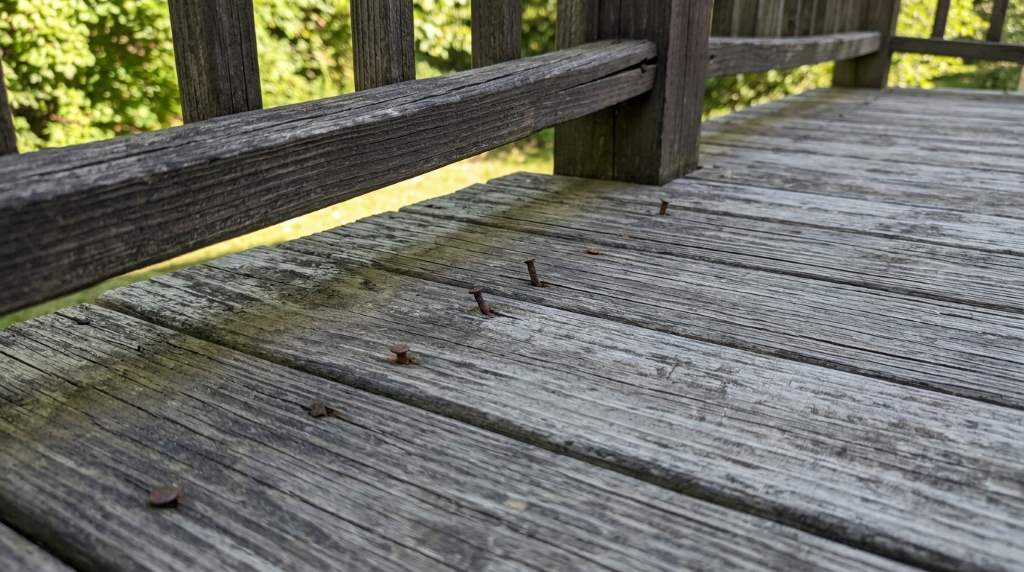
Common Causes of Unsafe Movement
- Loose connection hardware
- Rotting wood components
- Weak support posts
- Shifting foundations
- Improper original construction
- Water damage
- Termite activity
- Overloaded structural members
Identifying the exact cause allows homeowners to apply the correct repair strategy instead of relying on temporary fixes.
Inspecting the Structure Before Making Repairs
A thorough inspection provides valuable information about the severity of the problem. Start by observing when movement occurs. Does the structure sway sideways? Does it bounce vertically? Does one area feel softer than others?
Next, examine all visible framing members. Look for cracked boards, rusted fasteners, separated joints, and signs of moisture damage. Pay special attention to connection points because structural failures often begin where components meet.
Areas That Require Close Examination
- Ledger board connections
- Support beams
- Posts and footings
- Joists and brackets
- Stair attachments
- Guardrails and handrails
- Decking boards
Document any concerns with photos. This record can help guide repairs and assist professionals if further evaluation becomes necessary.
Fixing Loose Connections and Fasteners
Many movement issues originate from hardware that has loosened over time. Outdoor structures endure years of vibration, moisture exposure, and temperature changes. Consequently, bolts and screws can gradually lose their holding strength.
Interestingly, design choices also influence structural stability. Just as certain things that make an open space kitchen feel uncomfortable, overlooked structural details can create instability outdoors.
Steps to Secure Loose Hardware
- Tighten all accessible bolts and lag screws.
- Replace corroded fasteners.
- Install structural screws where appropriate.
- Add approved metal connectors.
- Verify that hardware matches current building standards.
Always use exterior rated hardware designed for outdoor exposure. Interior fasteners often deteriorate rapidly when exposed to moisture.
Addressing Rot and Water Damage
Charlotte’s humid climate creates favorable conditions for wood decay. Even minor moisture intrusion can gradually weaken structural members.
Water damage often starts in hidden locations. Areas near flashing, ledger boards, and post bases deserve special attention. In some cases, movement develops long before visible decay appears.
Homeowners frequently encounter hidden access challenges during inspections, much like situations involving safe door hole unlock procedures where internal conditions remain concealed until a closer examination occurs.
Signs of Rot
- Soft wood surfaces
- Dark discoloration
- Wood fibers separating easily
- Musty odors
- Persistent moisture retention
Repair Options
Minor decay may require replacing individual boards. However, structural rot affecting beams, joists, or posts typically demands complete replacement of damaged members. Never reinforce severely rotted wood without removing the compromised section.
Strengthening Support Posts and Footings
Support posts transfer structural loads to the ground. If they shift, settle, or deteriorate, the entire structure may become unstable.
Inspect posts for cracks, decay, and signs of movement. Check whether footings remain level and properly anchored. Soil conditions in Charlotte can change over time due to heavy rainfall and seasonal moisture fluctuations.
How to Improve Support Stability
- Replace damaged posts
- Install additional bracing
- Upgrade undersized footings
- Correct settlement issues
- Improve drainage around supports
Diagonal bracing often provides immediate improvement by reducing lateral movement and increasing overall rigidity.
Reinforcing Joists and Beams
Joists and beams form the backbone of most outdoor structures. When these members weaken or become overloaded, noticeable bouncing and movement can occur.
Start by evaluating span lengths. Older structures sometimes contain framing that no longer meets modern standards. Excessive spans often contribute to flexing under normal use.
Methods for Reinforcement
- Sister additional joists alongside existing members.
- Add blocking between joists.
- Install support beams beneath weak areas.
- Reduce unsupported spans.
- Upgrade undersized framing members.
Proper reinforcement distributes loads more effectively and significantly improves user confidence when walking across the structure.
Improving Railings and Stair Safety
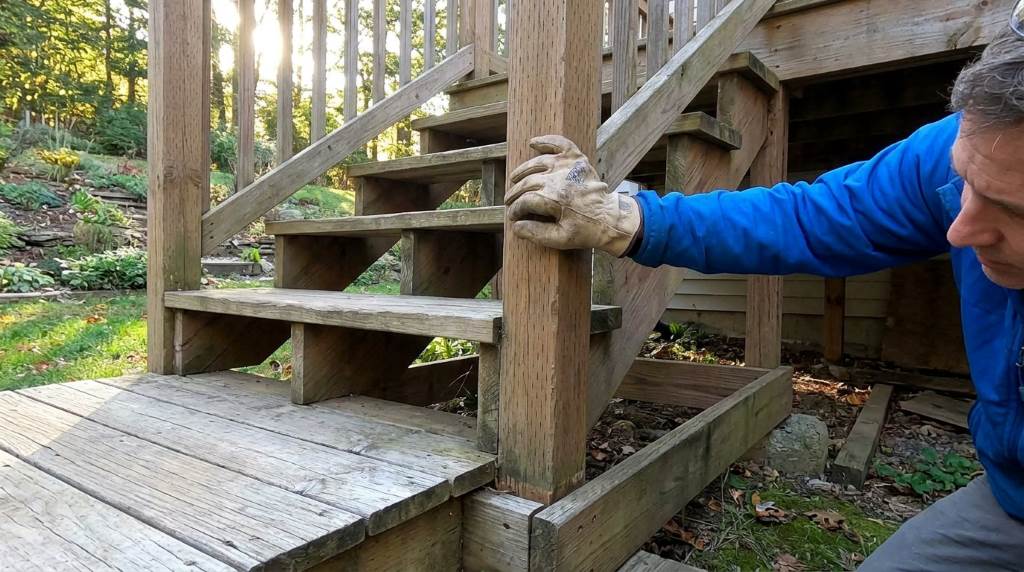
Movement does not always originate from the main platform. Railings and stairs often develop instability separately.
Loose railings create serious fall hazards. Similarly, unstable stairs increase the likelihood of trips and injuries.
Railing Inspection Checklist
- Verify post attachment strength
- Check connector integrity
- Inspect for rot at attachment points
- Confirm proper spacing
- Test resistance against applied pressure
Stair Repair Priorities
- Secure stringers
- Replace damaged treads
- Strengthen handrail connections
- Correct uneven risers
- Eliminate side to side movement
Addressing these issues helps create a safer experience for family members and visitors alike.
Preventing Future Structural Movement
Repairing existing problems represents only part of the solution. Ongoing maintenance helps prevent future instability.
Maintenance Best Practices
- Inspect structures twice annually
- Clean debris regularly
- Maintain proper drainage
- Seal exposed wood surfaces
- Replace damaged components promptly
- Monitor hardware for corrosion
Regular inspections often reveal small issues before they become major structural concerns.
When Professional Help Becomes Necessary
Some repairs exceed the scope of routine homeowner maintenance. Structural movement involving foundations, major beams, support posts, or extensive rot may require professional evaluation.
Licensed inspectors and structural specialists can identify hidden deficiencies that remain difficult to detect during visual inspections. They can also recommend repairs that comply with local building requirements.
Seeking expert guidance early often prevents more extensive damage and reduces long term safety risks.
Conclusion
Unsafe movement on outdoor structures in Charlotte, NC should never be ignored. Loose hardware, water damage, weakened framing, shifting supports, and deteriorated connections can all contribute to instability. Fortunately, early inspection and targeted repairs can restore safety and extend the life of the structure. Regular maintenance remains one of the most effective ways to prevent future problems. If you notice persistent movement or signs of structural deterioration, schedule a detailed inspection and take corrective action before the issue worsens.
Frequently Asked Questions
What causes outdoor structures to feel unstable?
Loose connections, rot, shifting footings, and weakened framing are the most common causes.
Can water damage create structural movement?
Yes, moisture can weaken wood and reduce its ability to support loads safely.
How often should outdoor structures be inspected?
Inspect them at least twice per year and after major storms.
Is movement always a sign of structural failure?
No, but excessive movement often indicates a problem that requires evaluation.
Should I repair a moving structure myself?
Minor issues may be manageable, but major structural concerns should be assessed by a qualified professional.