
Selecting the right vacuum cleaner can transform your carpet cleaning routine from a frustrating chore into an efficient task. With countless models flooding the market, finding the perfect upright vacuum requires understanding what features truly matter for deep carpet care. This comprehensive guide will walk you through everything you need to know to make an informed decision.
Understanding Your Carpet Cleaning Needs
Before diving into specific features, take a moment to assess your home’s unique requirements. Different households face different challenges when it comes to floor care.
Do you have pets that shed frequently? Perhaps you have children who regularly track dirt inside. Maybe you suffer from allergies and need superior filtration. Additionally, consider your carpet type. High-pile carpets demand different cleaning approaches than low-pile or berber styles.
The size of your home also plays a crucial role. Larger spaces require vacuums with bigger dust containers and longer power cords. Furthermore, homes with multiple levels might benefit from lighter models that are easier to carry between floors.
Why Upright Models Excel at Carpet Cleaning
Upright vacuums have dominated the carpet cleaning market for decades, and for good reason. Their design naturally suits the back-and-forth motion needed for effective carpet care.
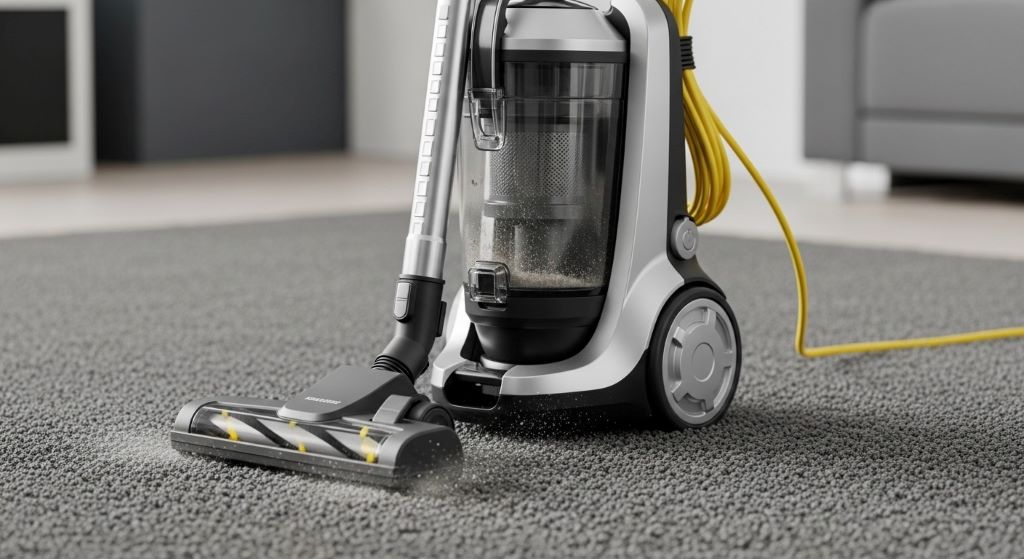
These machines typically feature rotating brush rolls positioned directly beneath the main body. This design allows the brushes to agitate carpet fibers deeply, loosening embedded dirt and debris. Moreover, the weight of the vacuum head helps press the brushes firmly against the carpet surface.
Many upright models also offer wider cleaning paths compared to canister vacuums. This means you can cover more ground with each pass, reducing overall cleaning time. Therefore, if carpeted floors make up the majority of your home, an upright vacuum generally provides the most practical solution.
The Power Debate: Corded Versus Cordless Options
One of the first decisions you’ll face involves choosing between corded and cordless technology. Each option brings distinct advantages to the table.
Cordless models offer undeniable convenience. You can move freely from room to room without unplugging and repositioning. However, battery life remains a significant limitation. Most cordless vacuums run for only 20 to 60 minutes per charge, which may not suffice for larger homes.
The benefits of corded vacuum cleaners become apparent when tackling extensive cleaning sessions. These models deliver consistent power from start to finish without any battery anxiety. You never need to pause mid-cleaning to recharge. Additionally, corded vacuums typically generate more powerful suction because they draw electricity directly from your outlet rather than relying on battery capacity.
For homes with substantial carpeted areas, corded models often prove more reliable. The continuous power supply ensures deep cleaning performance throughout your entire space. Furthermore, you won’t need to worry about battery degradation over time, which affects all rechargeable devices eventually.
Suction Power: The Heart of Effective Cleaning
When evaluating vacuum cleaners, suction capability stands as the most critical factor for carpet performance. Without adequate pulling power, even the best brush design cannot remove deeply embedded particles.
Unfortunately, manufacturers don’t use standardized measurements for suction strength. Some advertise airwatts, others mention pascals, and some simply claim “powerful suction” without specific numbers. This inconsistency makes comparison shopping challenging.
Look for vacuums marketed as having a strong suction vacuum design with sealed systems. Sealed systems prevent air leaks, ensuring maximum suction reaches your carpet rather than escaping through gaps in the machine. These designs often include HEPA filtration as well, which benefits allergy sufferers.
Motor wattage can provide some indication of power, though it doesn’t tell the complete story. A 12-amp motor represents the standard for quality upright vacuums. However, the overall engineering matters more than motor size alone. Well-designed airflow paths and efficient brush systems can outperform higher-wattage motors with poor design.
Brush Roll Technology and Carpet Agitation
The rotating brush roll works in tandem with suction to achieve thorough carpet cleaning. These brushes sweep through carpet fibers, dislodging dirt that suction alone might miss.
Quality brush rolls feature stiff bristles arranged in specific patterns. Some manufacturers use a combination of soft and stiff bristles to handle various debris types. The brush should spin rapidly, typically at speeds of 3,000 to 6,000 revolutions per minute.
Height adjustment represents another crucial feature. Carpets vary in thickness, and your vacuum should accommodate these differences. Too low a setting can cause the vacuum to work harder than necessary and potentially damage delicate fibers. Conversely, too high a setting reduces cleaning effectiveness.
Many modern uprights include automatic height adjustment that senses carpet thickness and adapts accordingly. This feature removes guesswork and ensures optimal performance across different surfaces. Nevertheless, manual controls still have their place, particularly for specialty rugs or transitions between floor types.
Filtration Systems for Healthier Homes
Beyond removing visible dirt, your vacuum should capture microscopic particles that affect indoor air quality. This becomes especially important for households with allergies or respiratory sensitivities.
HEPA filtration has become the gold standard for health-conscious consumers. These filters trap 99.97% of particles as small as 0.3 microns. This includes common allergens like dust mites, pollen, and pet dander.
However, HEPA filters only work effectively within sealed systems. If your vacuum leaks air before reaching the filter, those particles escape back into your home. Therefore, when shopping for the best upright for carpets with excellent filtration, verify that the entire vacuum features sealed construction.
Some models incorporate multiple filtration stages. Pre-filters capture larger debris, extending the life of the main filter. Exhaust filters provide a final cleaning stage for expelled air. These multi-stage systems offer superior air quality benefits compared to single-filter designs.
Capacity and Maintenance Considerations
Dust cup or bag capacity directly impacts how frequently you’ll need to stop and empty your vacuum. Larger capacities suit bigger homes or those with heavy shedding pets.
Bagless models let you see exactly how much debris you’ve collected, which some users find satisfying. These designs also eliminate the ongoing cost of replacement bags. However, emptying bagless containers can release dust back into the air, potentially problematic for allergy sufferers.
Bagged vacuums contain debris more hygienically during disposal. You simply remove the full bag and throw it away without exposure to the collected dirt. The downside involves the recurring expense of purchasing bags and slightly reduced suction as bags fill.
Maintenance requirements vary between models. Check how easily you can access and clean filters. Some washable filters save money but require regular cleaning and drying time. Disposable filters cost more over time but need no maintenance beyond replacement.
Brush rolls also need periodic attention. Hair and string wrap around the roller, reducing effectiveness. Models with removable brush rolls simplify this cleaning process significantly.
Maneuverability and User Comfort
Even the most powerful vacuum becomes impractical if it’s difficult to use. Maneuverability affects how thoroughly you’ll clean and whether you’ll actually use the vacuum regularly.
Swivel steering allows the vacuum head to pivot smoothly around furniture and into corners. This feature dramatically reduces the physical effort required during cleaning sessions. Without it, you’ll find yourself constantly lifting and repositioning the vacuum.
Weight distribution matters as much as total weight. A vacuum might weigh 15 pounds but feel heavier if poorly balanced. Try pushing the vacuum in the store if possible. Notice whether it glides easily or requires constant effort.
Handle design influences comfort during extended use. Ergonomic grips reduce hand fatigue. Adjustable handle heights accommodate users of different heights, promoting better posture while vacuuming.
Consider the vacuum’s recline angle as well. Some models lay nearly flat, making it easy to clean under furniture. Others have limited recline, forcing you to move obstacles before vacuuming.
Attachments and Versatility
While your primary focus might be carpet cleaning, versatile attachments extend your vacuum’s usefulness throughout your home. Most quality uprights include several standard tools.
Crevice tools reach into narrow spaces between cushions, along baseboards, and into corners where the main head cannot fit. Upholstery tools feature wider openings and gentler bristles suitable for furniture and curtains.
Pet hair tools deserve special mention for animal owners. These specialized attachments use rubber fins or unique bristle patterns to grab stubborn pet hair from furniture and stairs. Some models include motorized pet tools with their own rotating brushes.
Extension wands allow you to clean ceiling corners, light fixtures, and high shelves without stretching or using a ladder. Additionally, look for vacuums where attachments store directly on the machine. Onboard storage ensures tools stay accessible rather than getting lost in a closet.
Noise Levels and Quiet Operation
Vacuum noise might not seem important until you’re trying to clean while others sleep or work from home. Decibel ratings provide objective measurements, though manufacturers don’t always publish these specifications.
Generally, quality vacuums produce between 65 and 75 decibels. For perspective, normal conversation registers around 60 decibels. Anything above 75 decibels becomes noticeably loud and potentially disturbing to others in your home.
Insulated motors and improved airflow designs help reduce operational noise. Some premium models specifically market quiet operation as a key feature. If noise concerns you, read customer reviews mentioning sound levels or test the vacuum in-store before purchasing.
Warranty and Brand Reputation
A vacuum represents a significant investment, and warranty coverage provides important protection. Standard warranties range from one to seven years, depending on the manufacturer and model.
Longer warranties often indicate manufacturer confidence in product durability. However, read the fine print carefully. Some warranties only cover the motor, excluding other components that might fail. Additionally, check whether the warranty requires using genuine replacement parts or allows third-party alternatives.
Brand reputation offers insight into long-term reliability and customer service quality. Established manufacturers with decades of history typically provide better support than unknown brands. Research common problems associated with specific models through customer reviews and consumer advocacy websites.
Parts availability matters too. Can you easily find replacement filters, belts, and brush rolls? Popular brands usually stock parts through multiple retailers. Obscure brands might require ordering directly from the manufacturer, potentially causing delays when you need a quick fix.
Making Your Final Decision
Armed with knowledge about key features, you can now approach vacuum shopping with confidence. Start by determining your budget range. Quality uprights suitable for serious carpet cleaning typically start around $150, with premium models reaching $500 or more.
Create a shortlist of models meeting your must-have criteria. Read professional reviews from trusted sources alongside customer feedback. Pay particular attention to reviews from users with similar homes and needs to yours.
If possible, test your top choices in person. Push them around the showroom floor. Feel the weight and maneuverability. Ask the salesperson about return policies in case the vacuum doesn’t perform as expected in your home.
Remember that the most expensive option doesn’t always provide the best value. Focus on features that address your specific cleaning challenges rather than paying for bells and whistles you’ll never use.
Conclusion
Choosing the best upright for carpets requires balancing multiple factors including suction power, brush design, filtration quality, and practical usability features. The corded vacuum benefits of consistent power and unlimited runtime make them ideal for homes with extensive carpeting. Prioritize models that combine strong suction vacuum capabilities with thoughtful engineering and user-friendly designs.
By considering your specific needs, understanding key technologies, and evaluating features systematically, you’ll find an upright vacuum that delivers exceptional carpet cleaning performance for years to come. The right vacuum transforms a tedious chore into a quick, effective task that keeps your carpets looking fresh and your indoor air healthy.
Frequently Asked Questions
How often should I vacuum my carpets for optimal cleanliness?
High-traffic areas benefit from vacuuming two to three times weekly, while less-used rooms can be cleaned once weekly. Homes with pets or allergies may require daily vacuuming in main living spaces. Regular vacuuming prevents dirt from embedding deeply into carpet fibers, extending carpet life and maintaining appearance.
Do higher-priced vacuums always clean better than budget models?
Not necessarily. Price often reflects build quality, durability, and additional features rather than pure cleaning performance. Mid-range vacuums frequently offer excellent carpet cleaning at reasonable prices. Focus on specific features like sealed systems and brush quality rather than assuming higher prices guarantee better results.
Can I use an upright vacuum on hardwood floors safely?
Most modern uprights include settings or attachments for hard floors. Turn off the brush roll when transitioning to hardwood to prevent scratching. Some models automatically detect floor type and adjust accordingly. However, dedicated hard floor tools generally provide better results than using the main carpet head.
How do I know when to replace my vacuum filters?
Check manufacturer recommendations, but most washable filters need cleaning monthly and replacement annually. Disposable filters typically last three to six months depending on usage. Reduced suction, musty odors, or visible dirt on the exhaust side indicate filter replacement needs. Always ensure washable filters dry completely before reinstalling.
What causes loss of suction in upright vacuums?
Common culprits include clogged filters, full dust containers, blocked hoses, or hair-wrapped brush rolls. Check these components first when suction decreases. Additionally, inspect the belt connecting the motor to the brush roll, as worn belts reduce both brush speed and overall performance. Regular maintenance prevents most suction problems.
Related Topics:
How to Remove Carpet Grippers: A Step-by-Step Guide for DIY Enthusiasts
Festive Finishing Touches: Pressure Wash Walkway for Holiday Guests